| Product No. WA-0884 大和守藤原忠行 | |
|---|---|
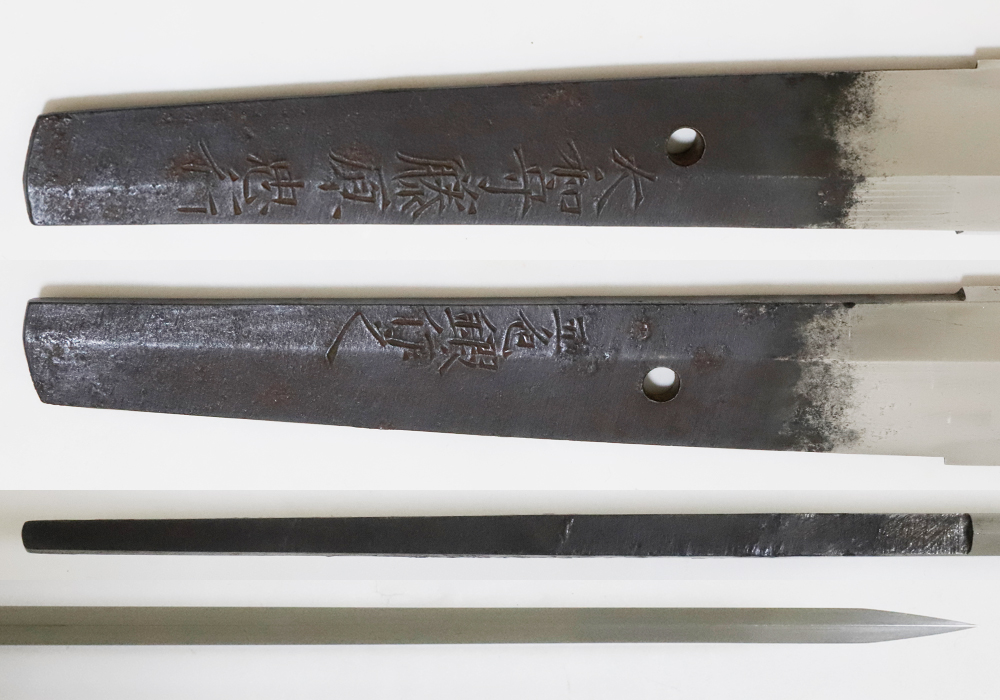
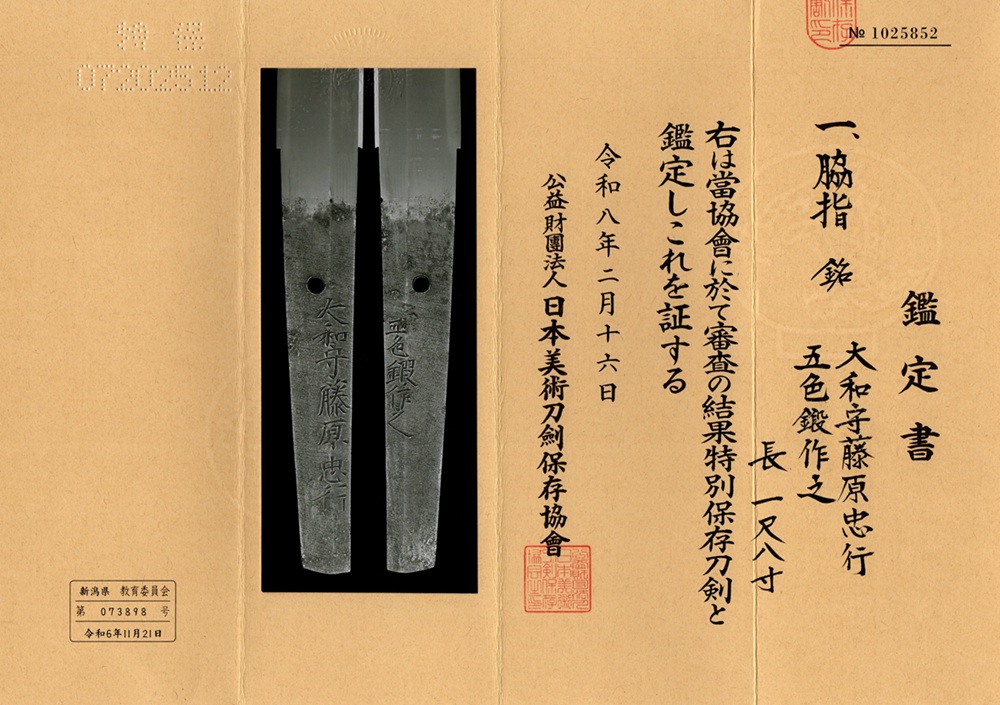
| Mei |
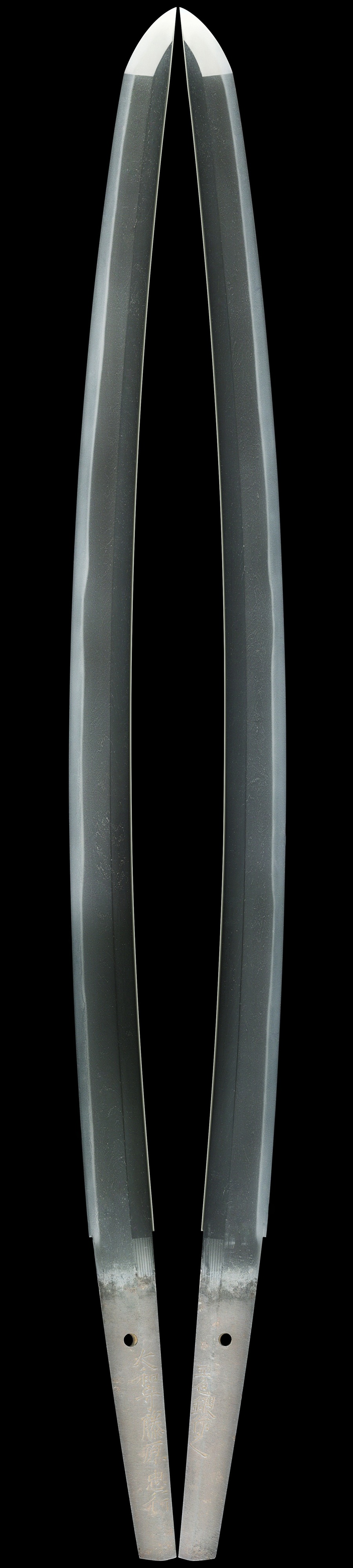
Yamato no Kami Fujiwara Tadayuki Back: Forged using five kinds of steel |
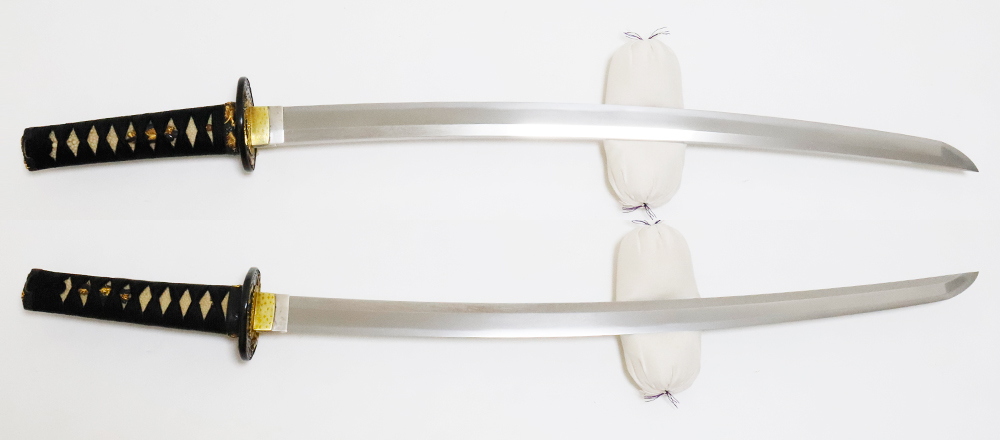
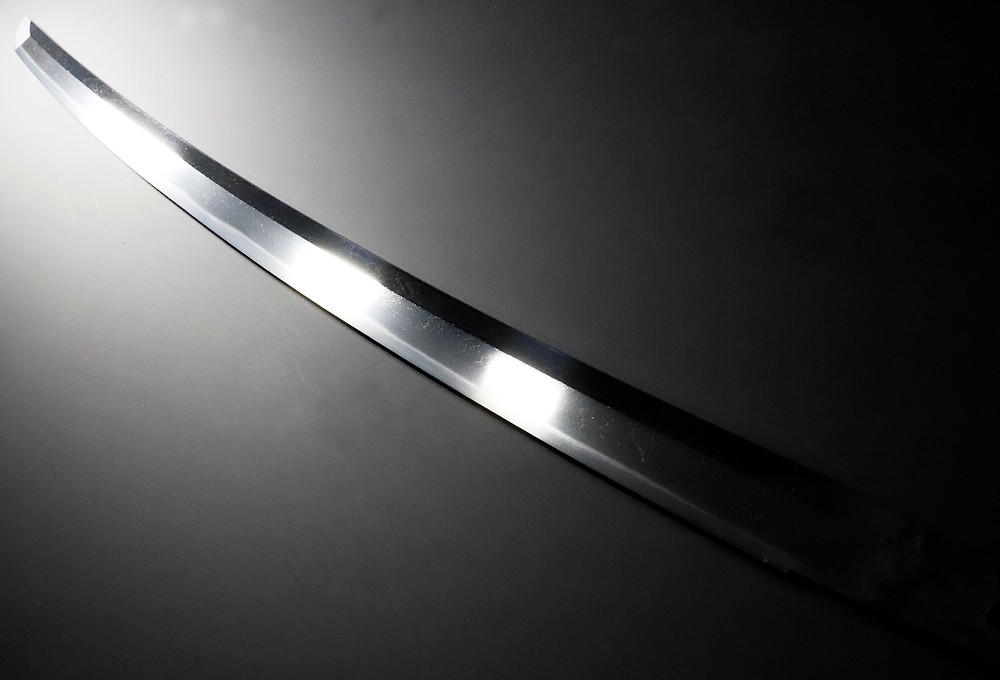
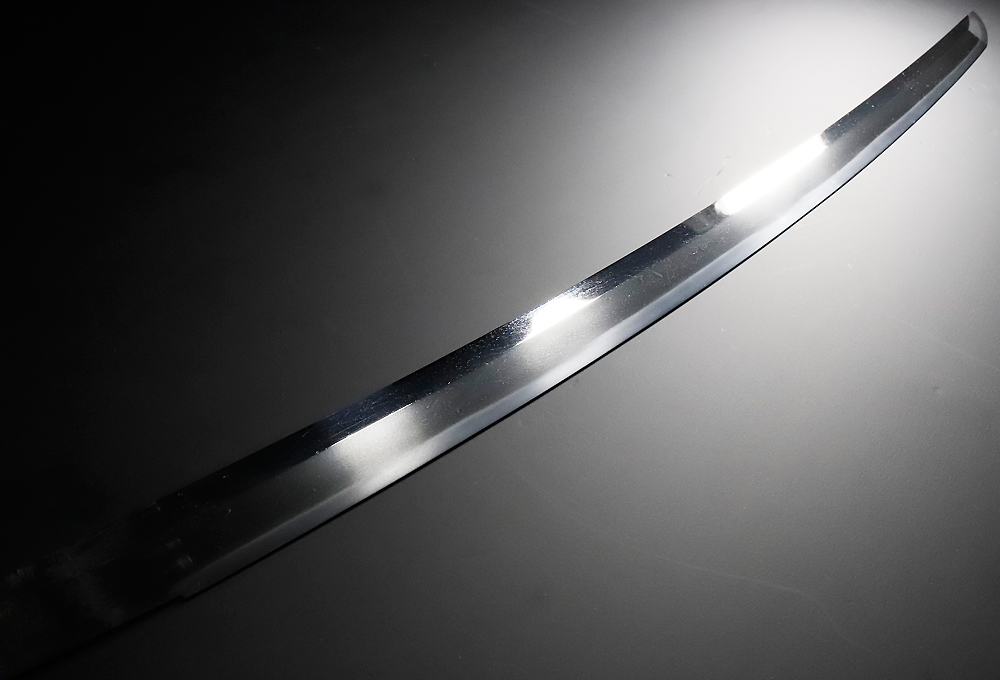
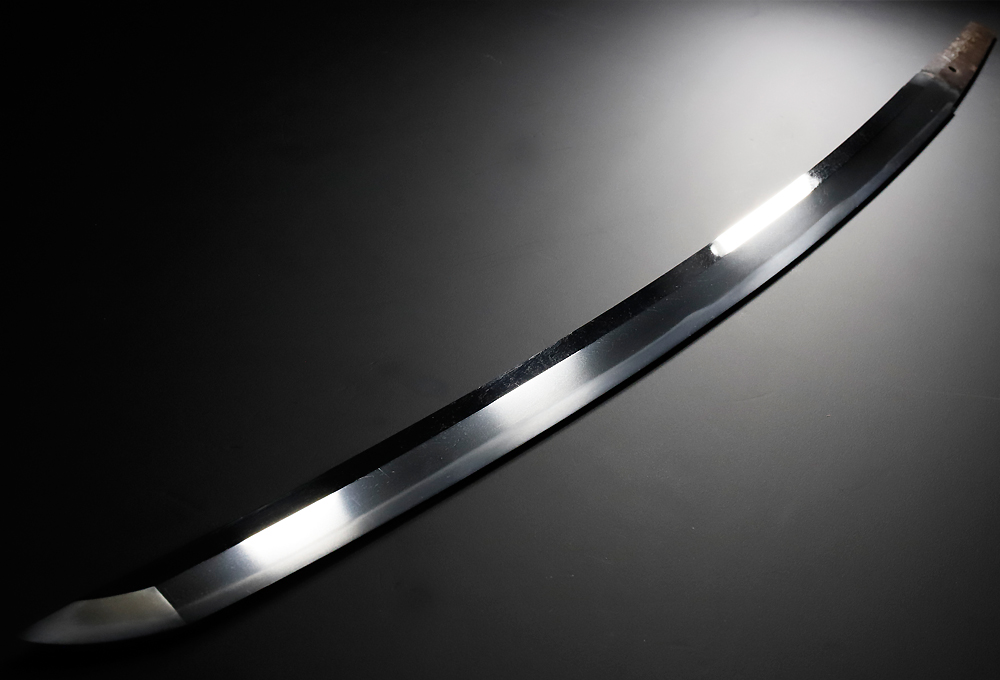
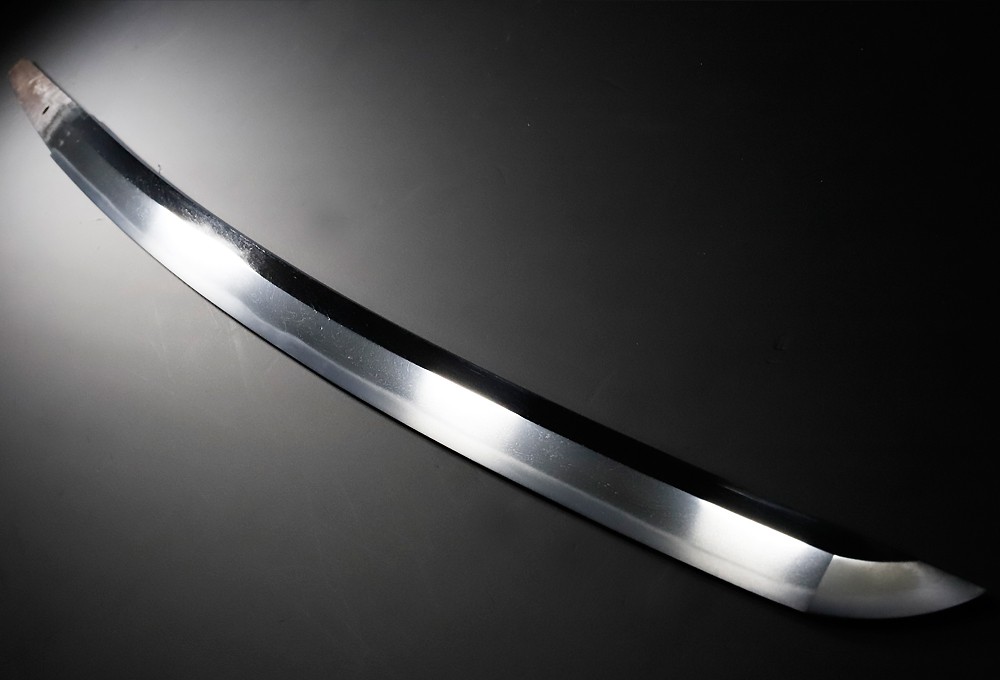
| Shape | Shinogi-zukuri with an iori-mune and chū-kissaki, featuring ample mihaba and thick kasane with well-balanced sori, giving the blade a robust and powerful appearance |
| Region | Bungo Province |
| Era | Mid Edo Period |
| Length |
54.6 cm 21.5 in |
| Sori (curvature) |
1.5 cm 0.6 in |
| Motohaba |
3 cm 1.2 in |
| Sakihaba |
2.1 cm 0.8 in |
| Munekasane |
0.7 cm 0.3 in |
| Status | Tokubetsu Hozon Token |
| Certification Date | February 16, 2026 |
| Registration Authority | Niigata Prefecture |
| Registration Date | November 21, 2024 |
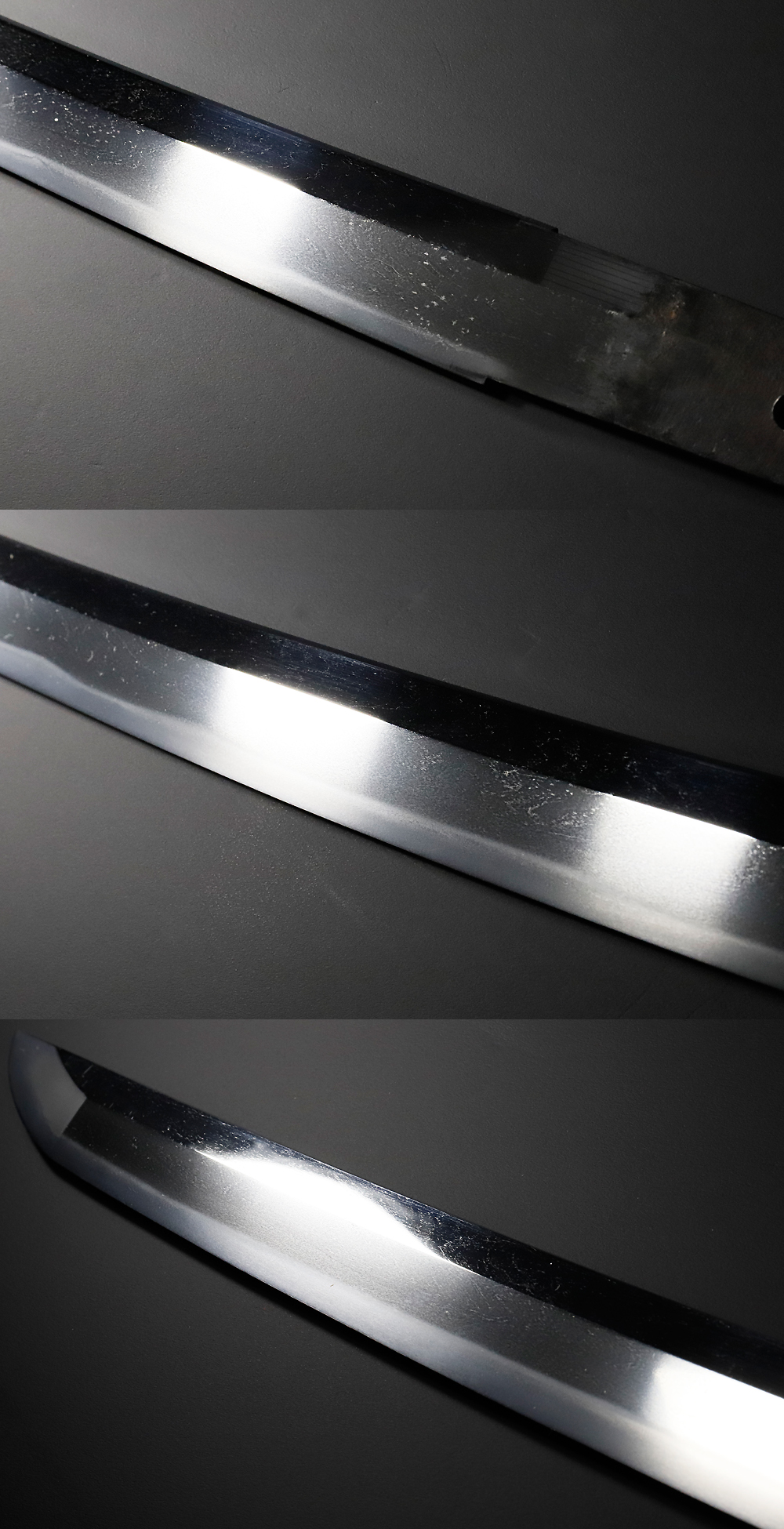
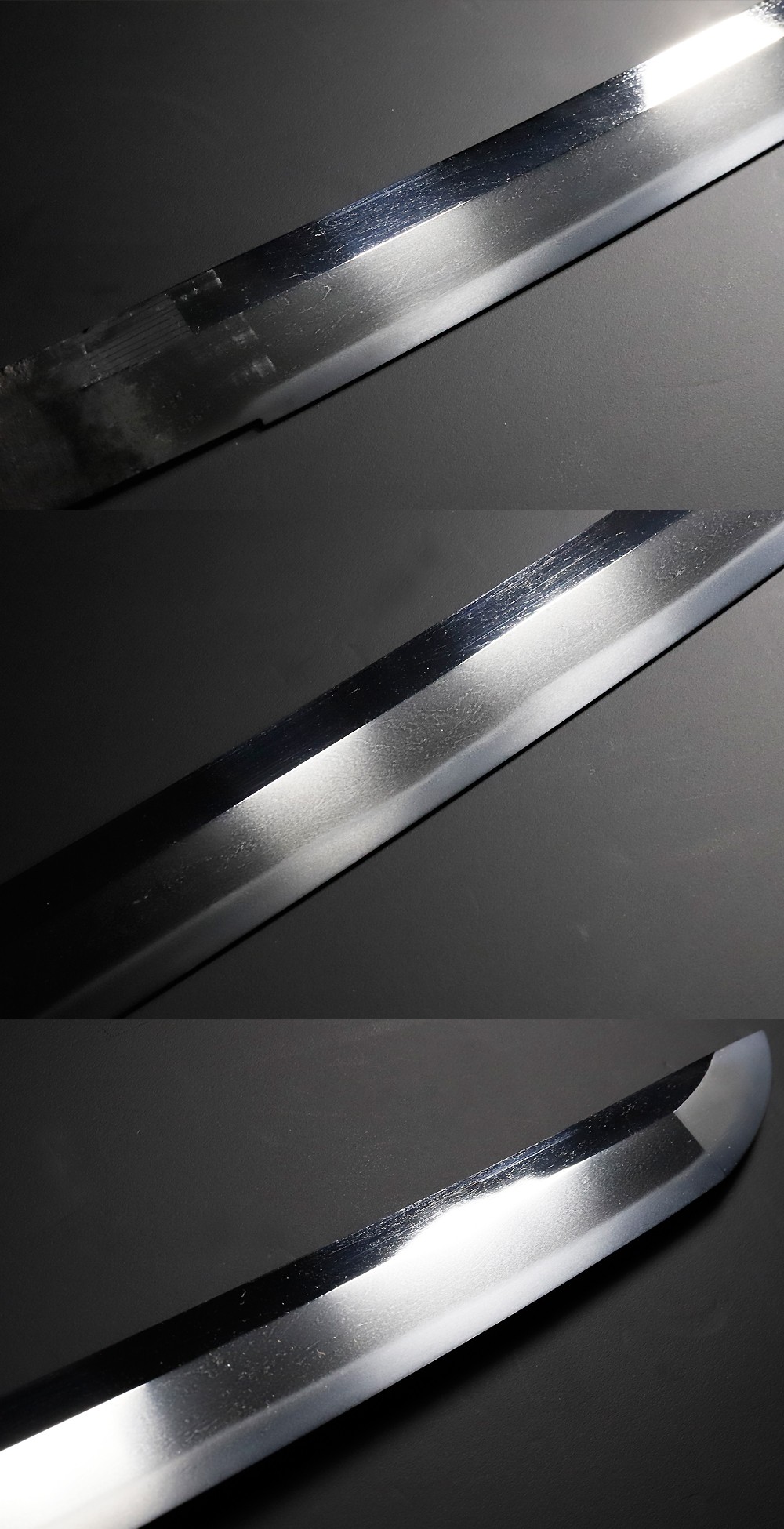
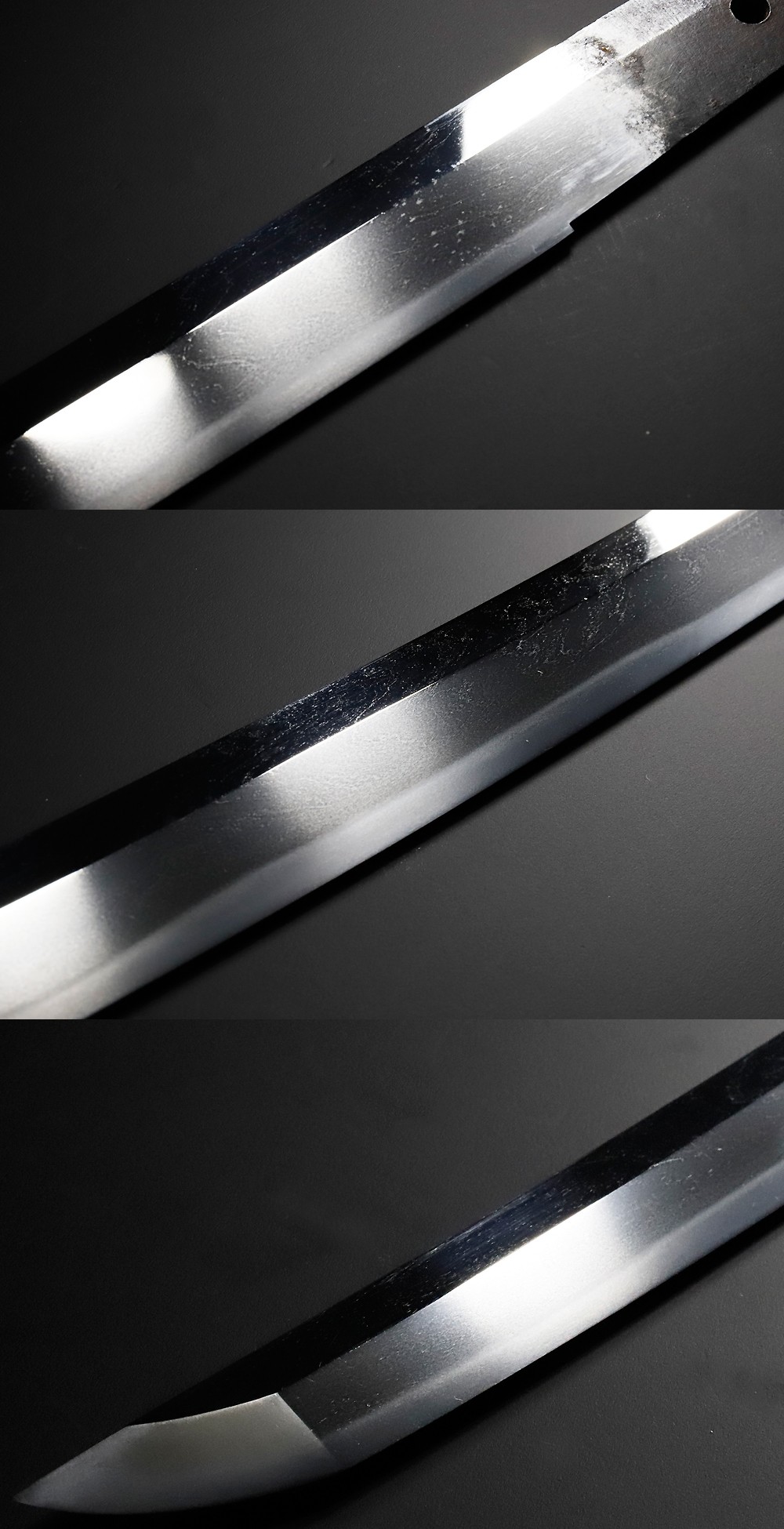
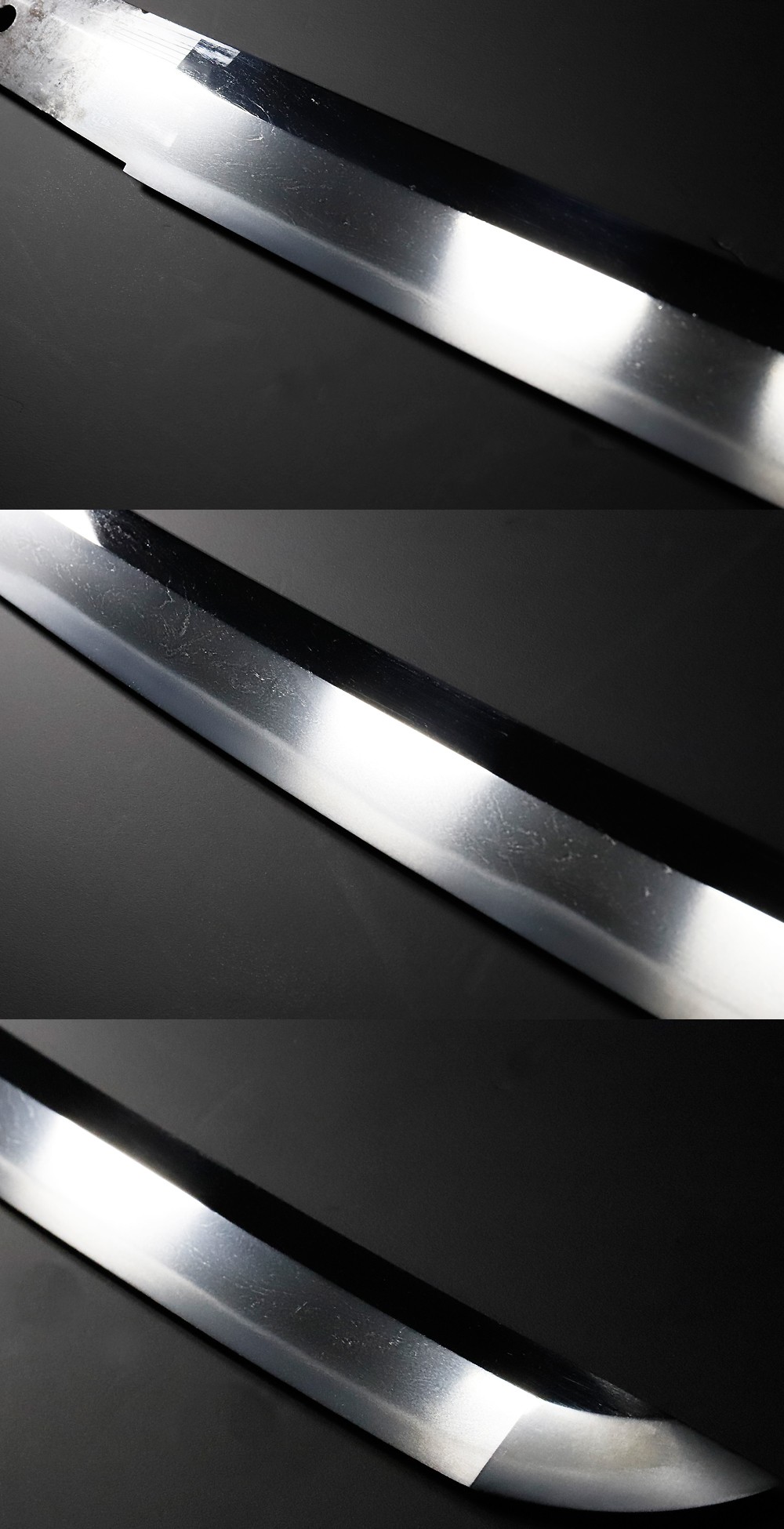
| Jihada (Metal pattern) | The jihada is a tightly forged itame hada with somewhat visible grain, flowing into masame along the ha, with ji-nie attached |
| Hamon (Temper line) | The hamon is a somewhat tight sugu-notare showing hotsure, kuichigai, and fine kinsen activities |
| Bōshi (Point / Tip) | The bōshi is sugu with a slight hakikake tendency, turning back in a ko-maru |
| Nakago (Tang) | Ubu nakago with katte-sagari yasurime and a shallow kuri-jiri |
| Mekugiana (Rivet holes) | 1 |
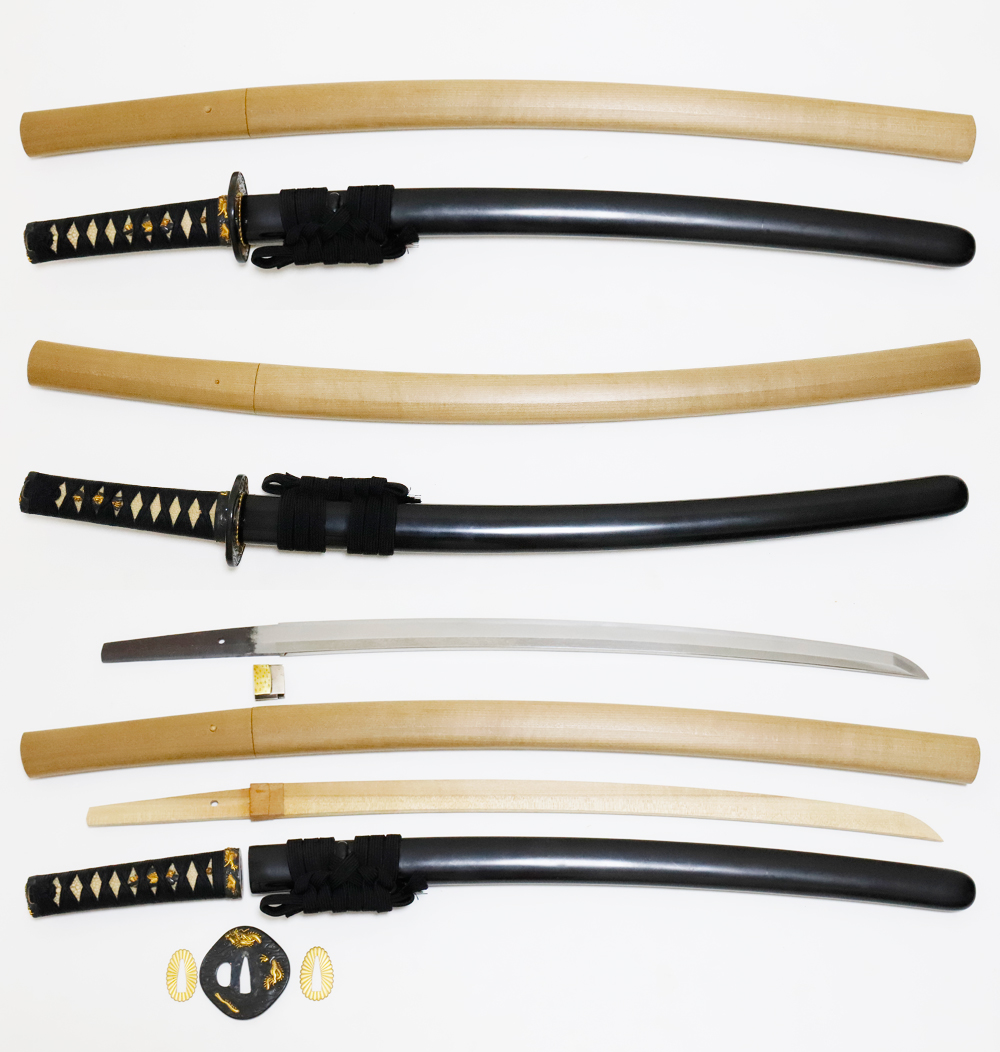
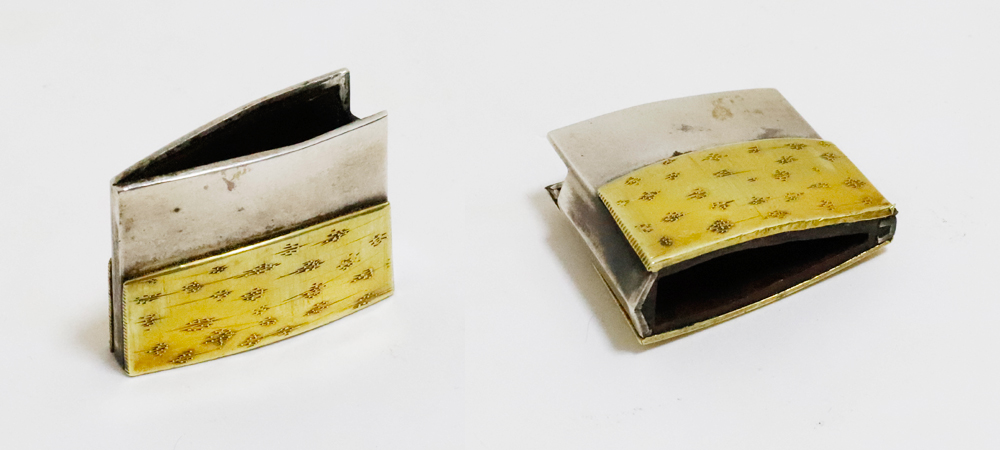
| Habaki | A two-piece habaki of plain copper, with gold foil covering on the upper piece with file-mark decoration, and silver foil covering on the lower piece |
| Mountings | Koshirae-tsuki |
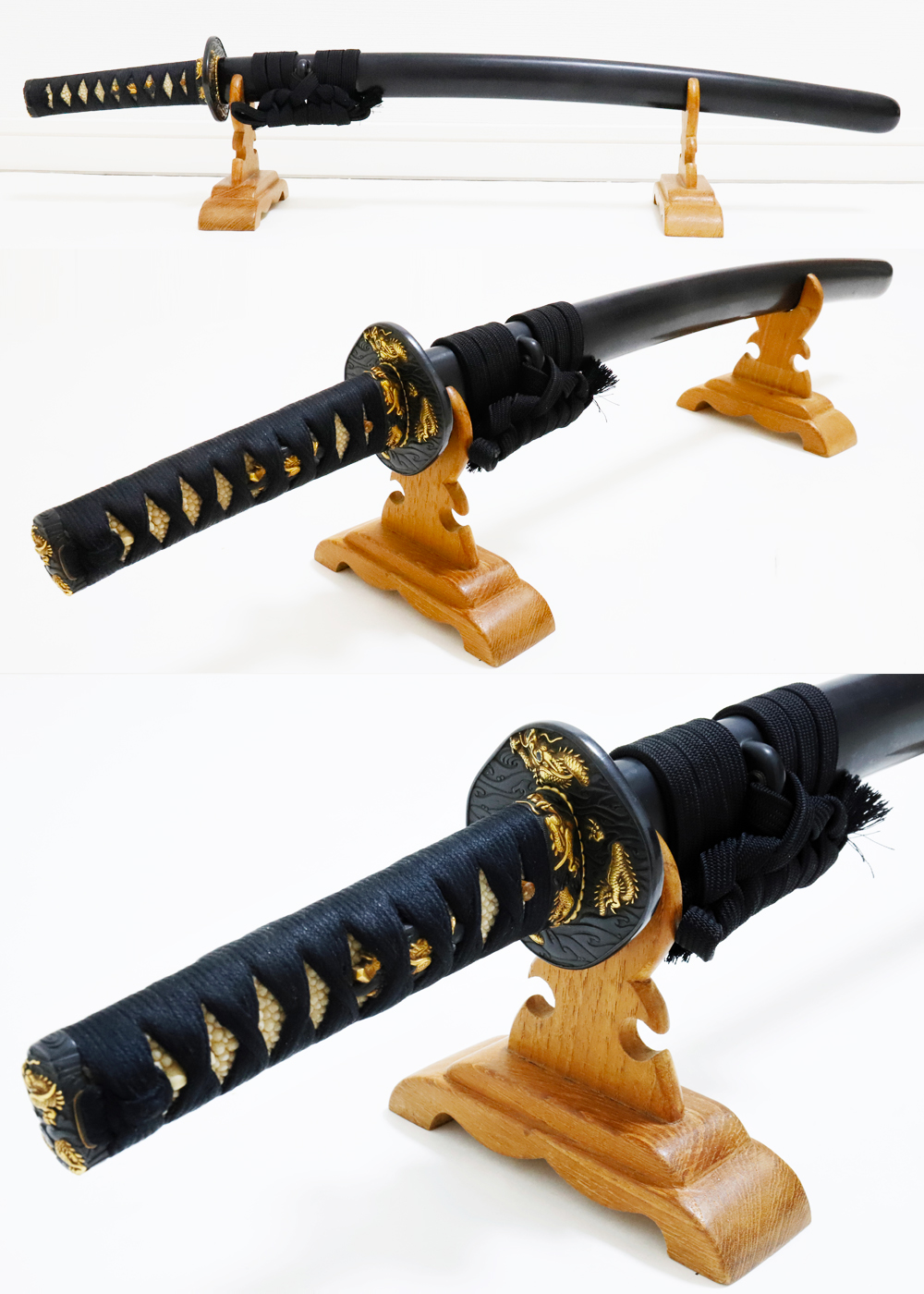
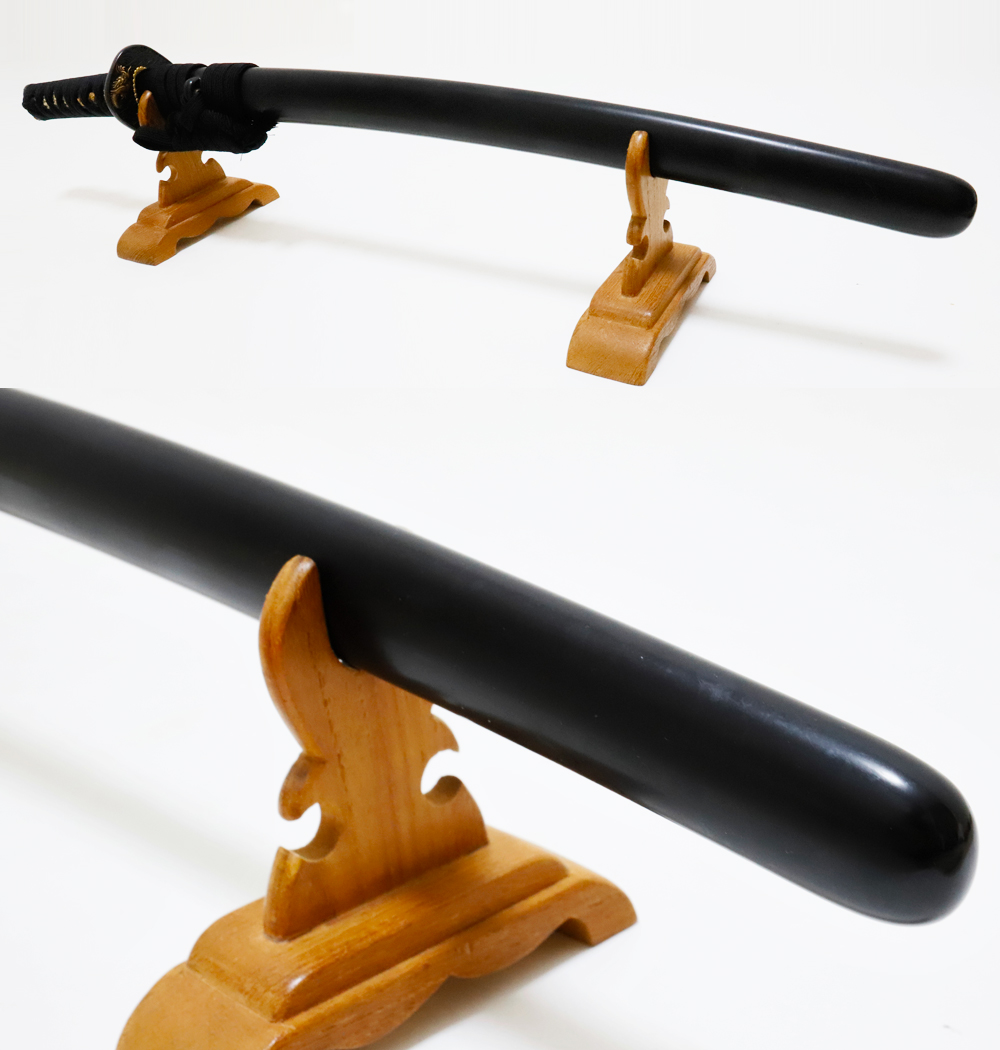
| Koshirae | Wakizashi koshirae with a black roiro lacquered scabbard |
| Koshirae Length |
74.5 cm 29.3 in |
| Tsuka Length |
16.4 cm 6.5 in |
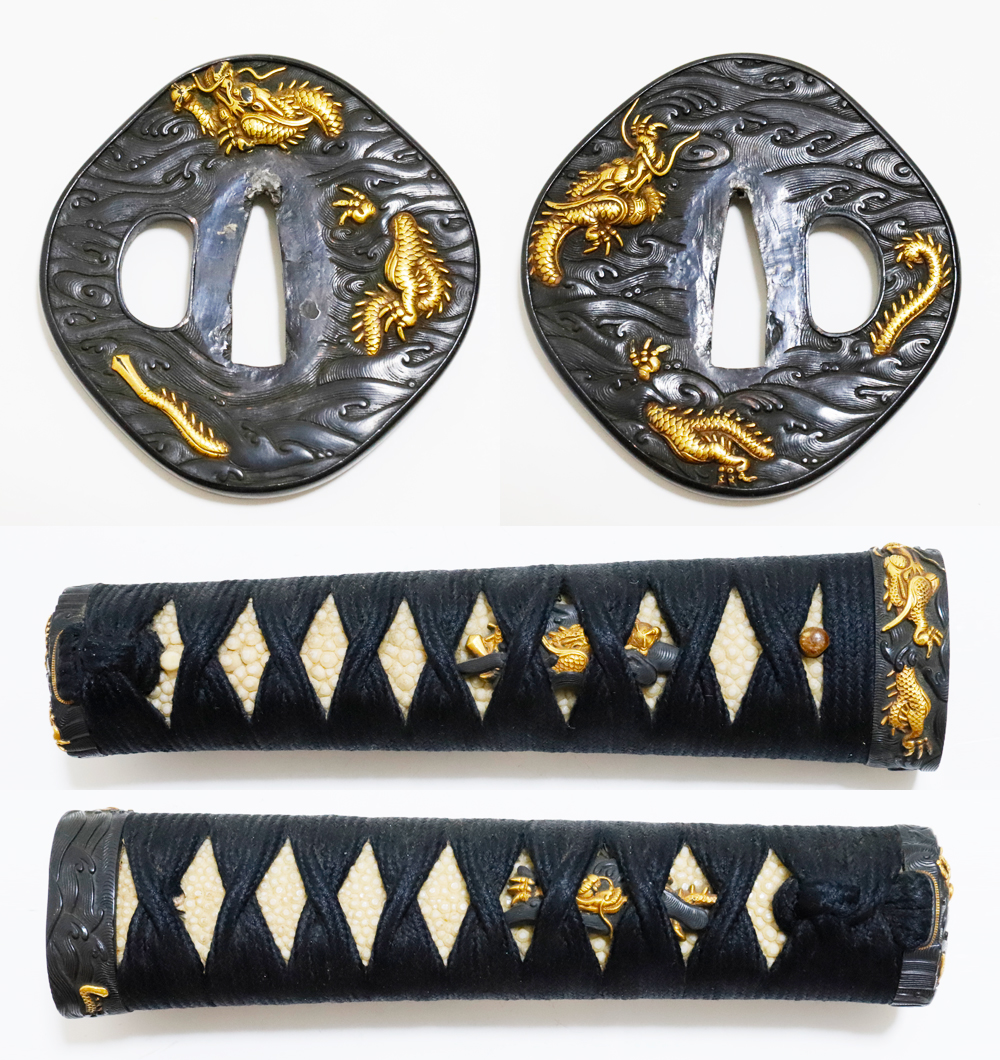
| Tsuba | Wave and dragon design, shakudō ground (three-piece construction), nade-mokkō (Otafuku) shape, sukidashi-bori carving with inlay and iroe decoration, and a shakudō fukurin rim |
| Menuki | Wave and dragon design, shakudō ground, katachibori carving, and gold iroe decoration |
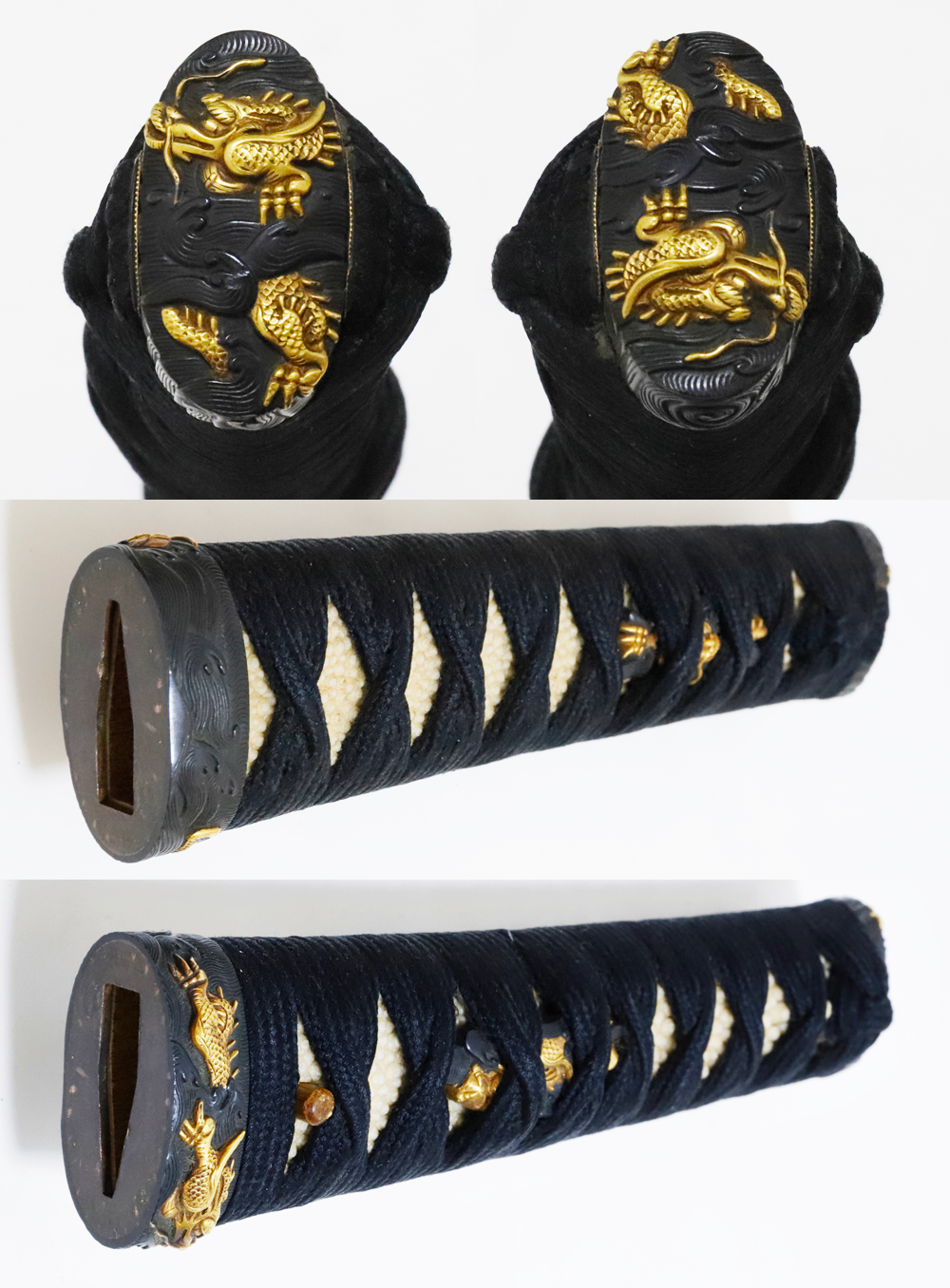
| Fuchigashira | Wave and dragon design, shakudō ground, taka-sukibori carving with inlay and iroe decoration |
| Other details | Tsuka with white samegawa covering and black tsumami-maki ito wrapping |
Price |
SOLD |
| The smith Yamato no Kami Fujiwara Tadayuki (first generation) was active in Bungo Province during the middle Edo period, around the Hōei era (1704–1711). He received a stipend of ten persons’ allowance from the Hosokawa family and also forged swords in Tsurusaki Takada and Kumamoto, both within the Higo domain. He is ranked as a Yoki-wazamono (Ryō-wazamono) smith.The supplementary inscription “Goshiki Kitae” (“forged using five kinds of steel”) refers to Tadayuki’s highly original forging method in which five different types of steel—such as Sekishū steel, Hōki steel, pig iron, refined iron, and Nanban iron—were combined during forging. Blades bearing the additional inscription “Goshiki Kitae,” sometimes together with “Sarashi Kitae,” are regarded as especially carefully forged works by Tadayuki.The tightly forged jihada reveals flowing itame mixed with masame, resembling rolling waves. The blade shows the distinctive character and skill of this unusual forging technique.The sword is mounted in an elegant wakizashi koshirae with black roiro lacquered scabbard, fitted with wave and dragon design shakudō fittings decorated with gold iroe, which harmonize beautifully with the blade.Passed the December 2025 Tokubetsu Hozon Token shinsa. |

 Search