| Product No. WA-0936 陸奥大掾三善長道(二代) | |
|---|---|
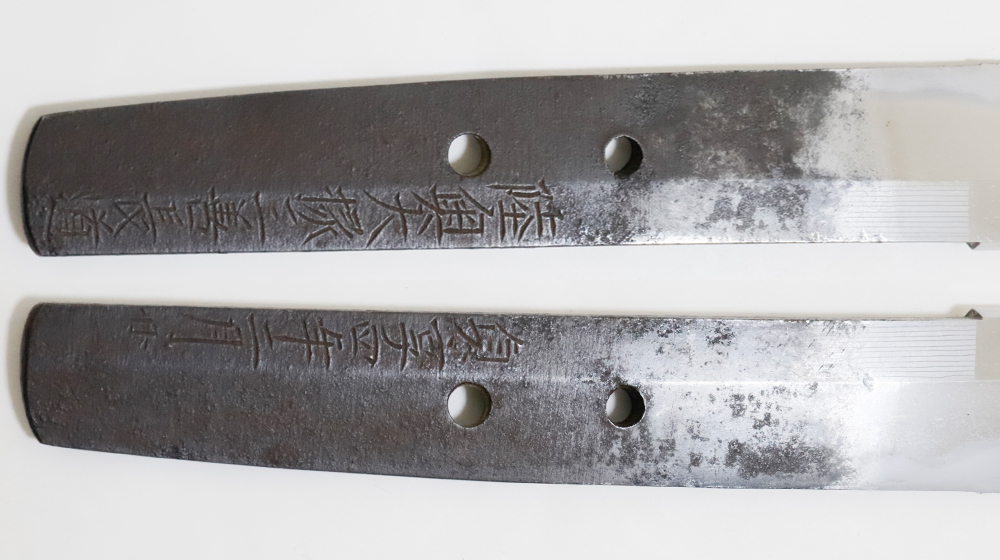
| Mei |
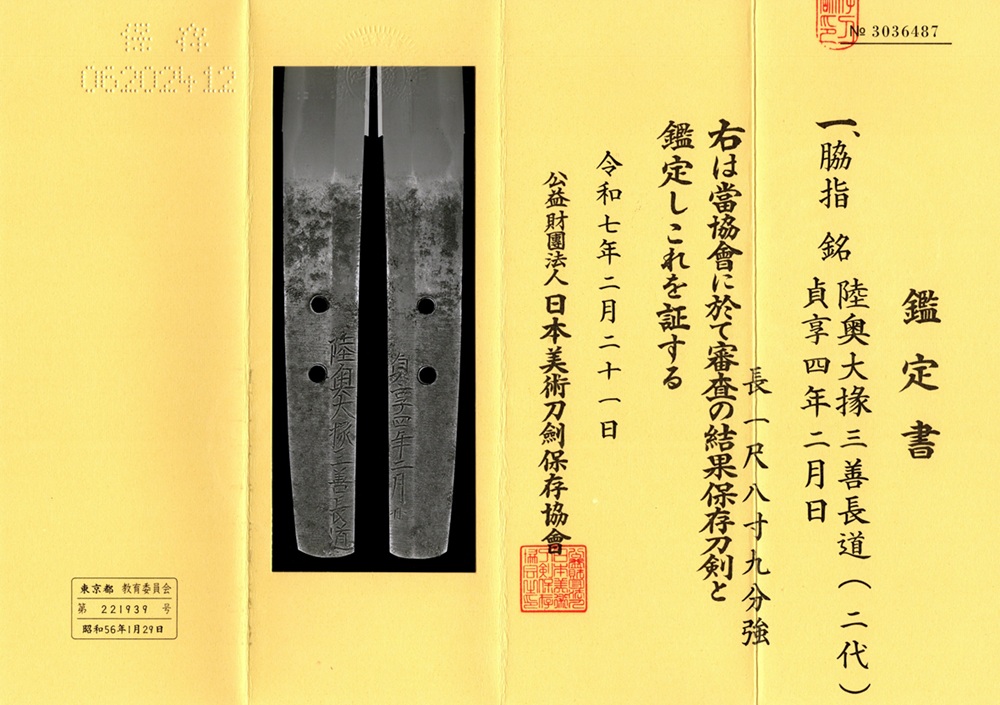
Mutsu Daijo Miyoshi Nagamichi (second generation) Back: A day in the second month of Jokyo 4 (1687) |
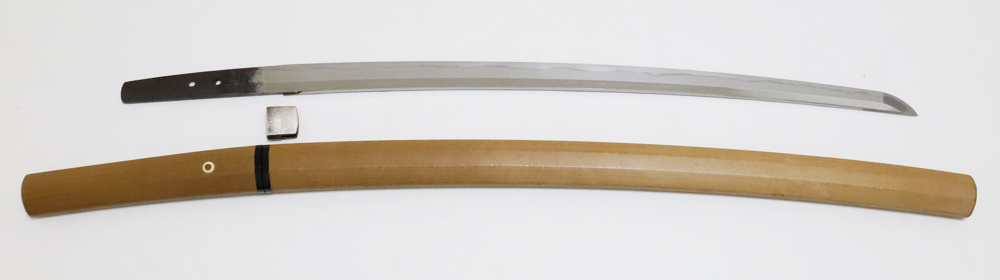
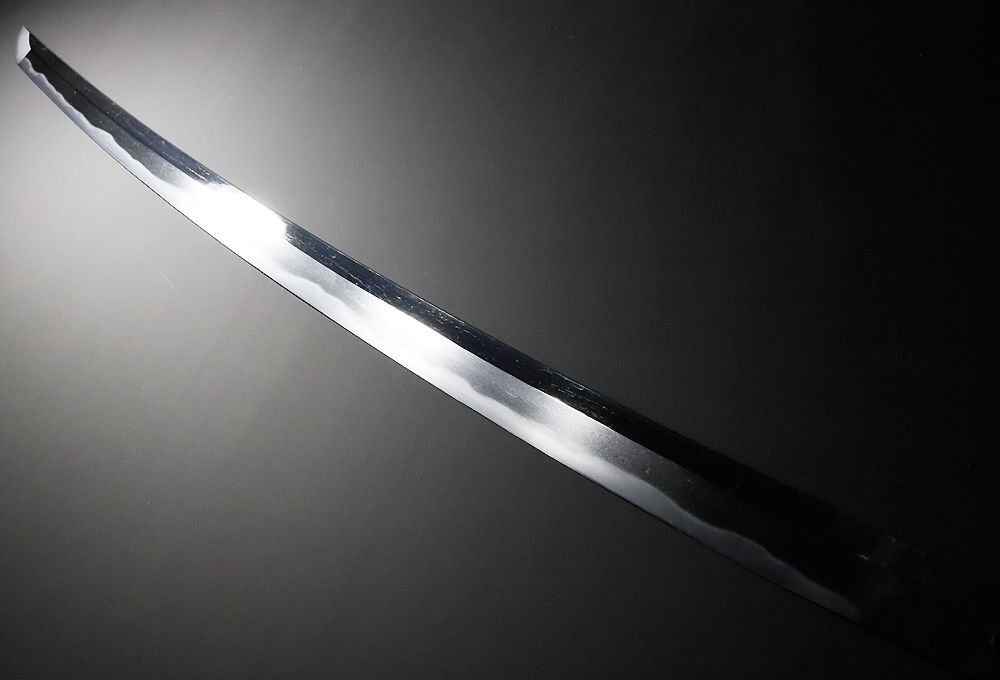
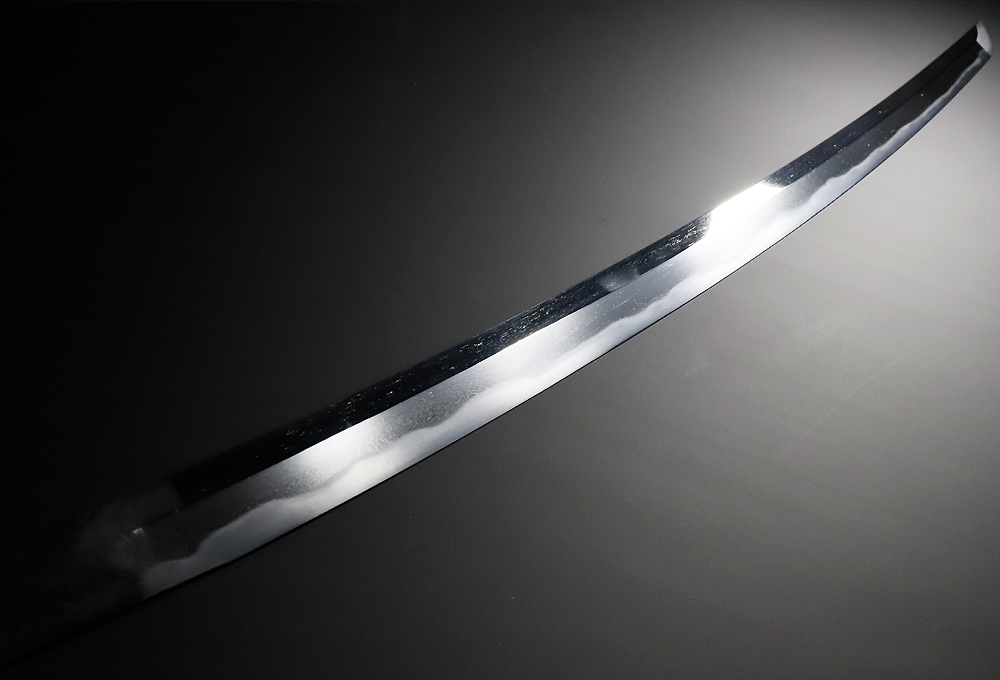
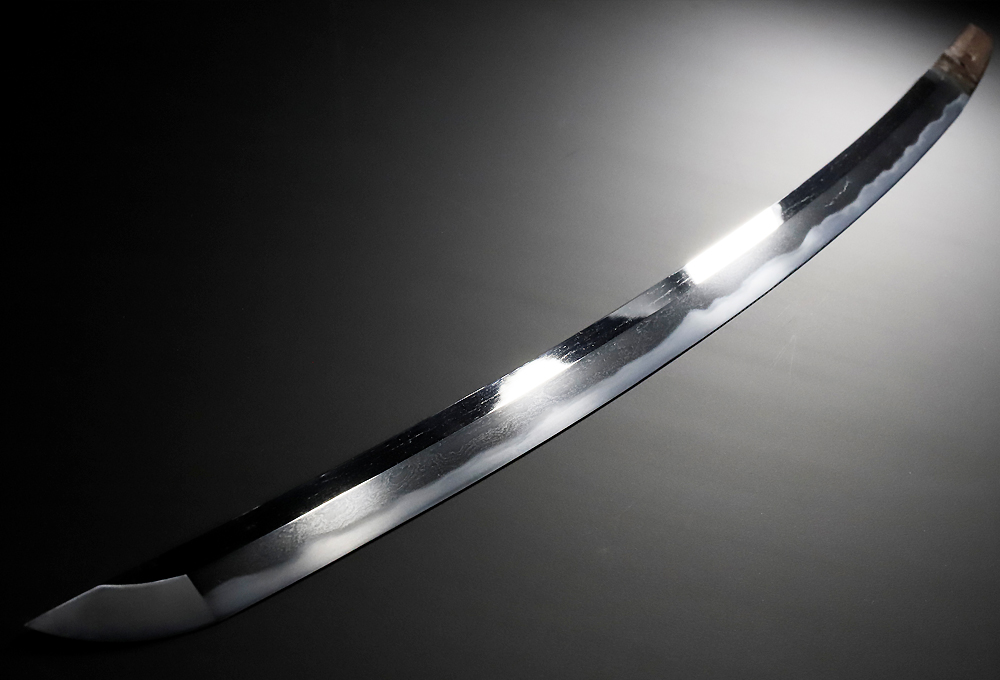
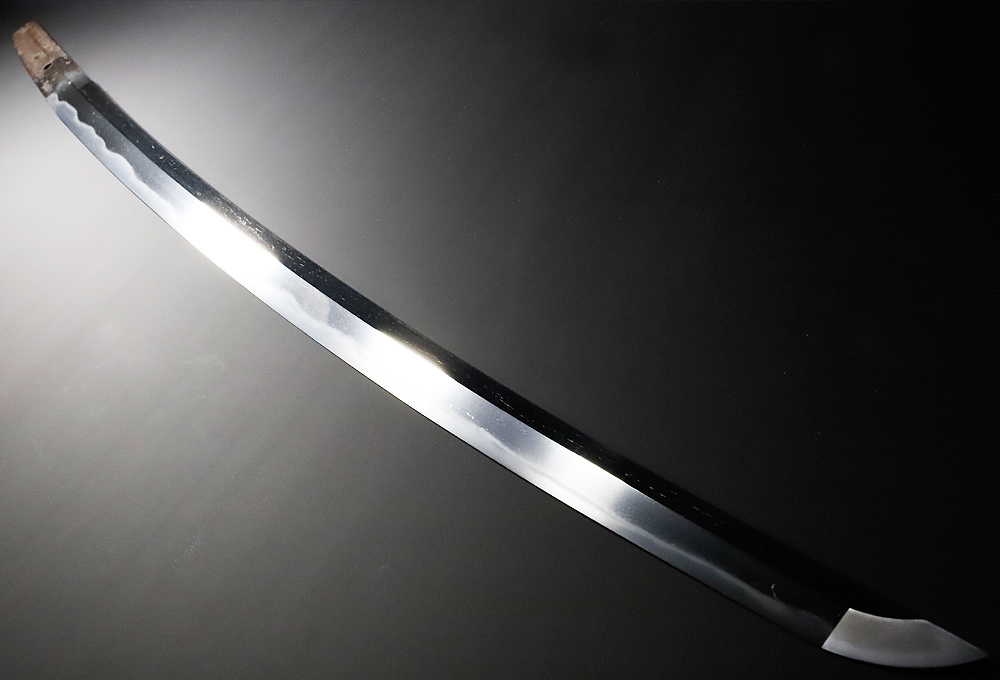
| Shape | Shinogi-zukuri with iori-mune and chu-kissaki, shortened by slightly less than one sun (approximately 3 cm), resulting in a shape that allows for easier handling. |
| Region | Aizu, Mutsu Province |
| Era | Early Edo Period |
| Length |
57.4 cm 22.6 in |
| Sori (curvature) |
1.6 cm 0.6 in |
| Motohaba |
3 cm 1.2 in |
| Sakihaba |
2 cm 0.8 in |
| Munekasane |
0.7 cm 0.3 in |
| Status | Hozon Token |
| Certification Date | February 21, 2025 |
| Registration Authority | Tokyo |
| Registration Date | January 29, 1981 |
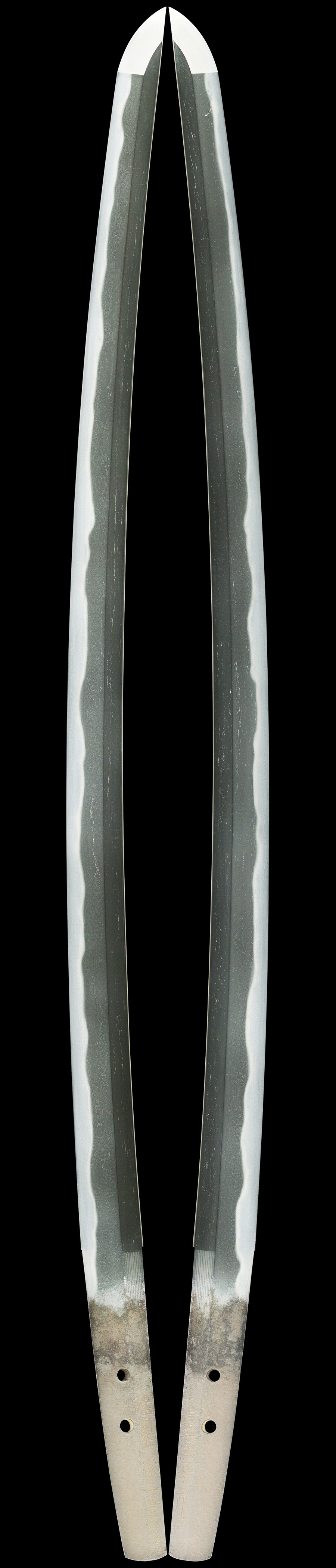
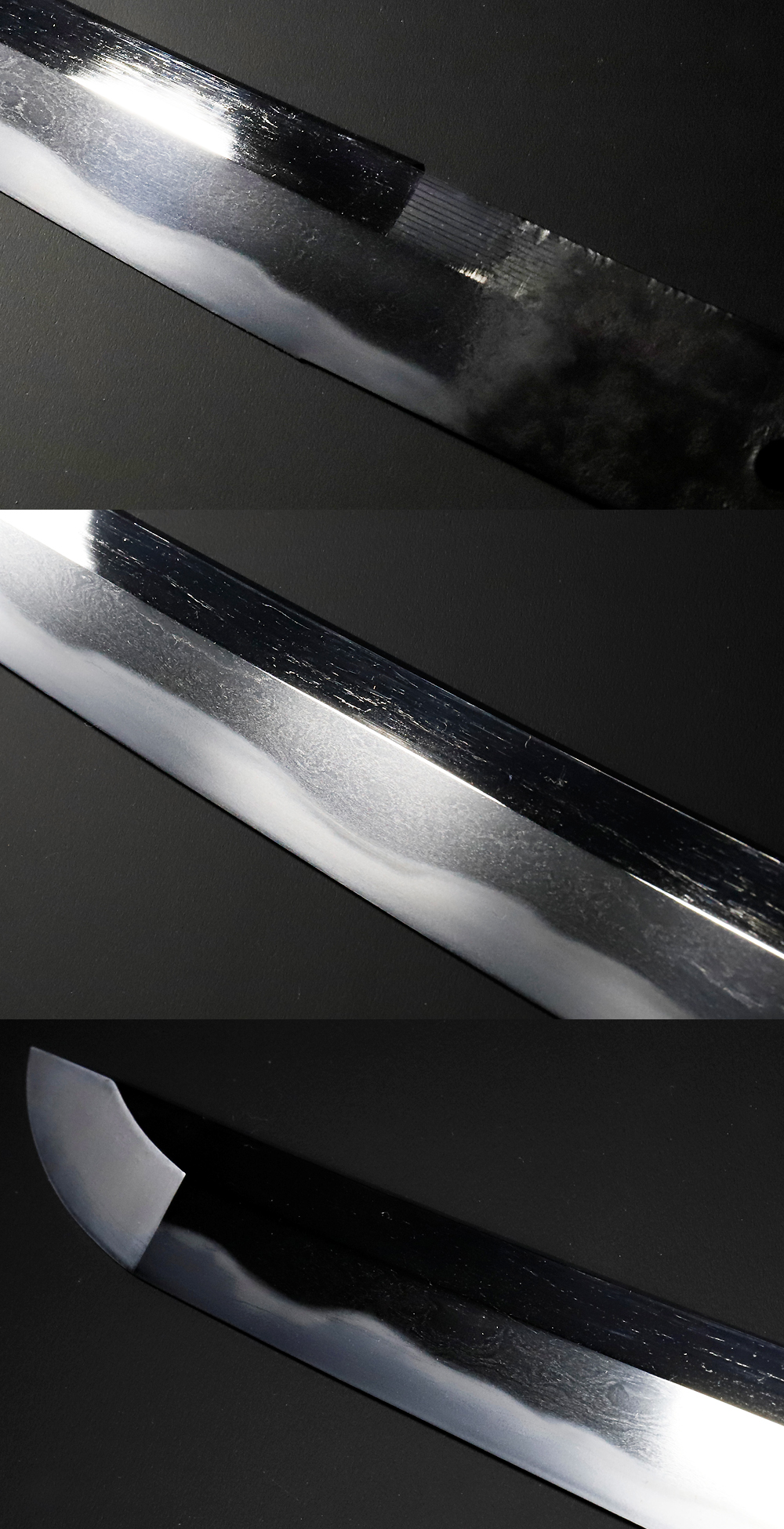
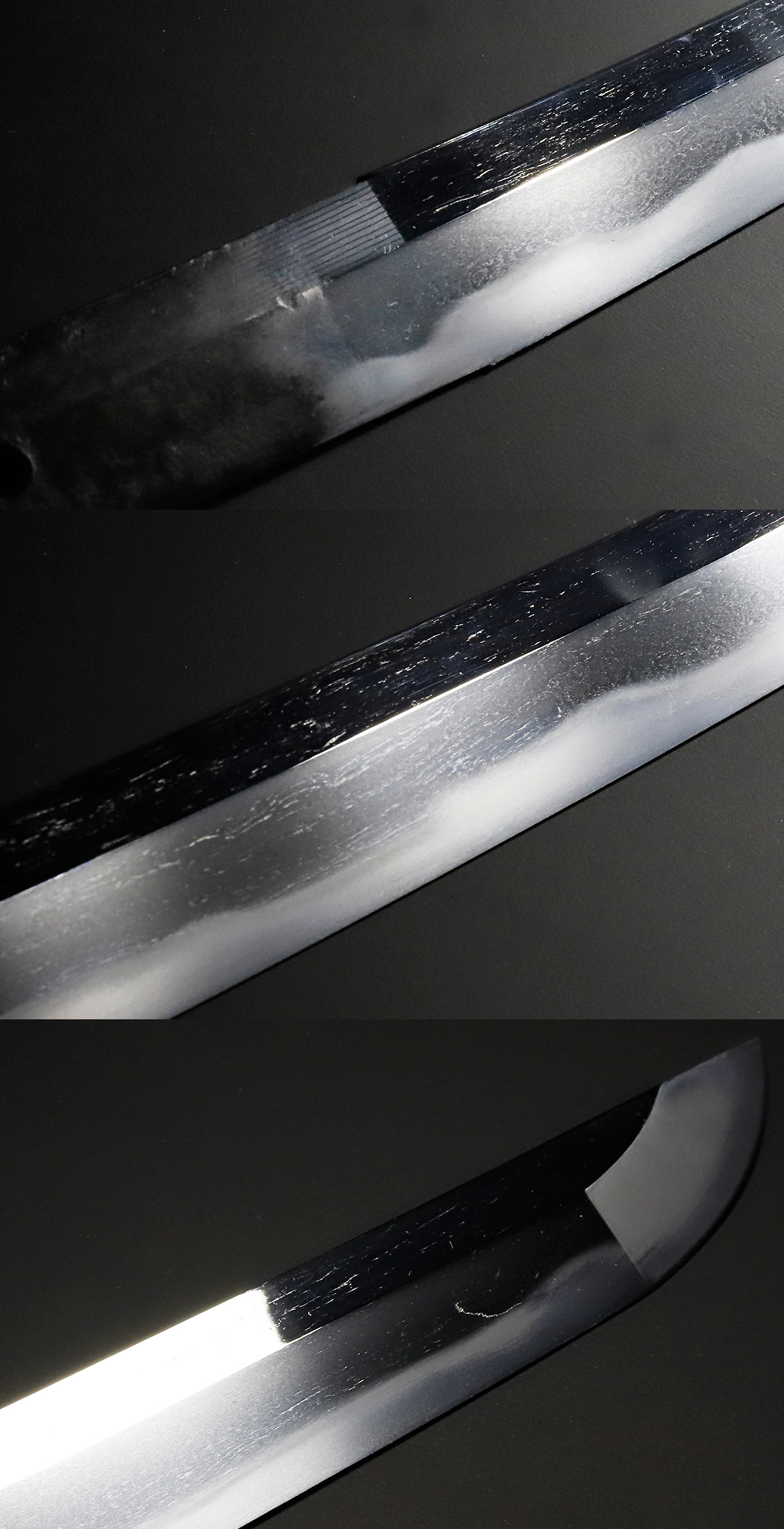
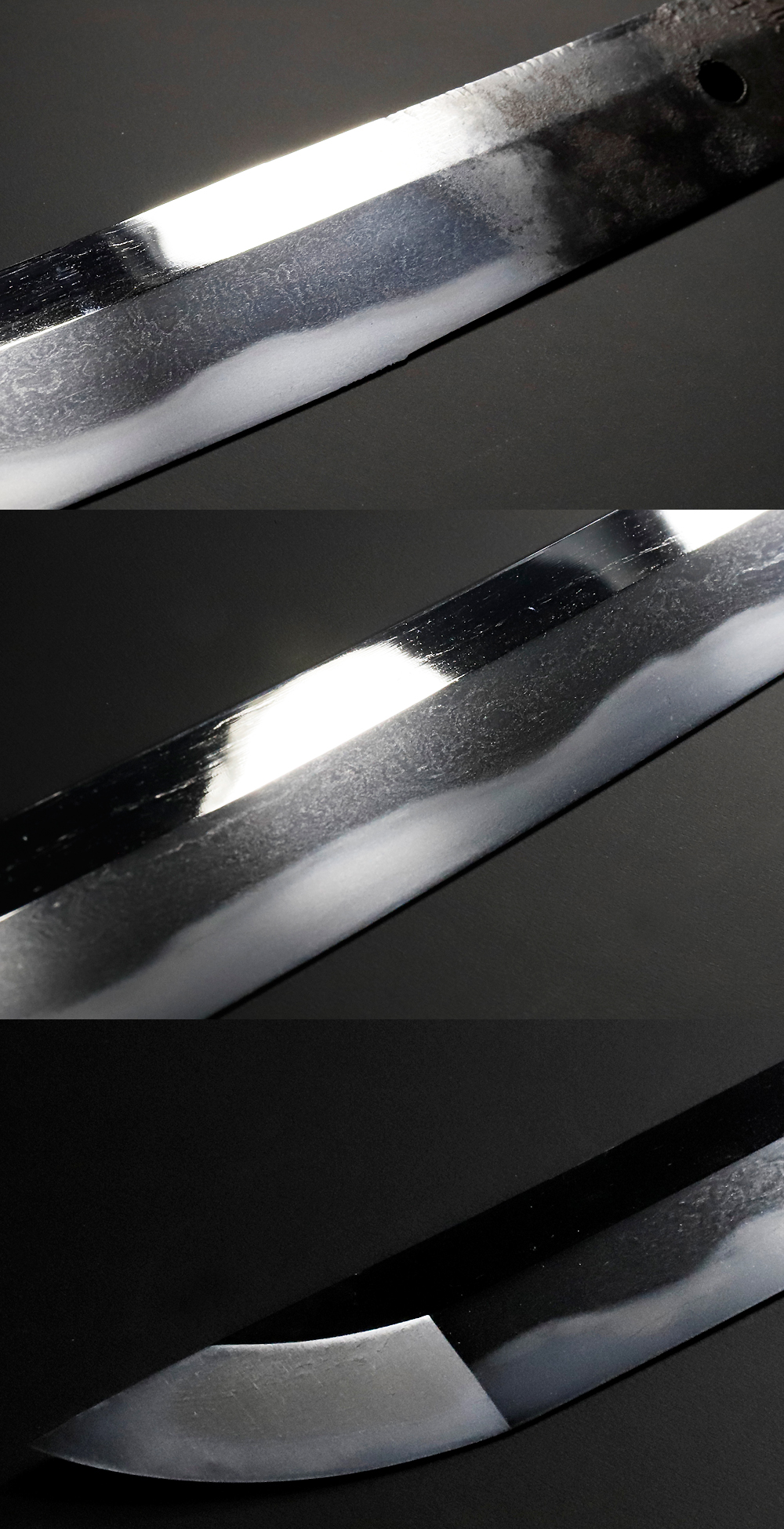
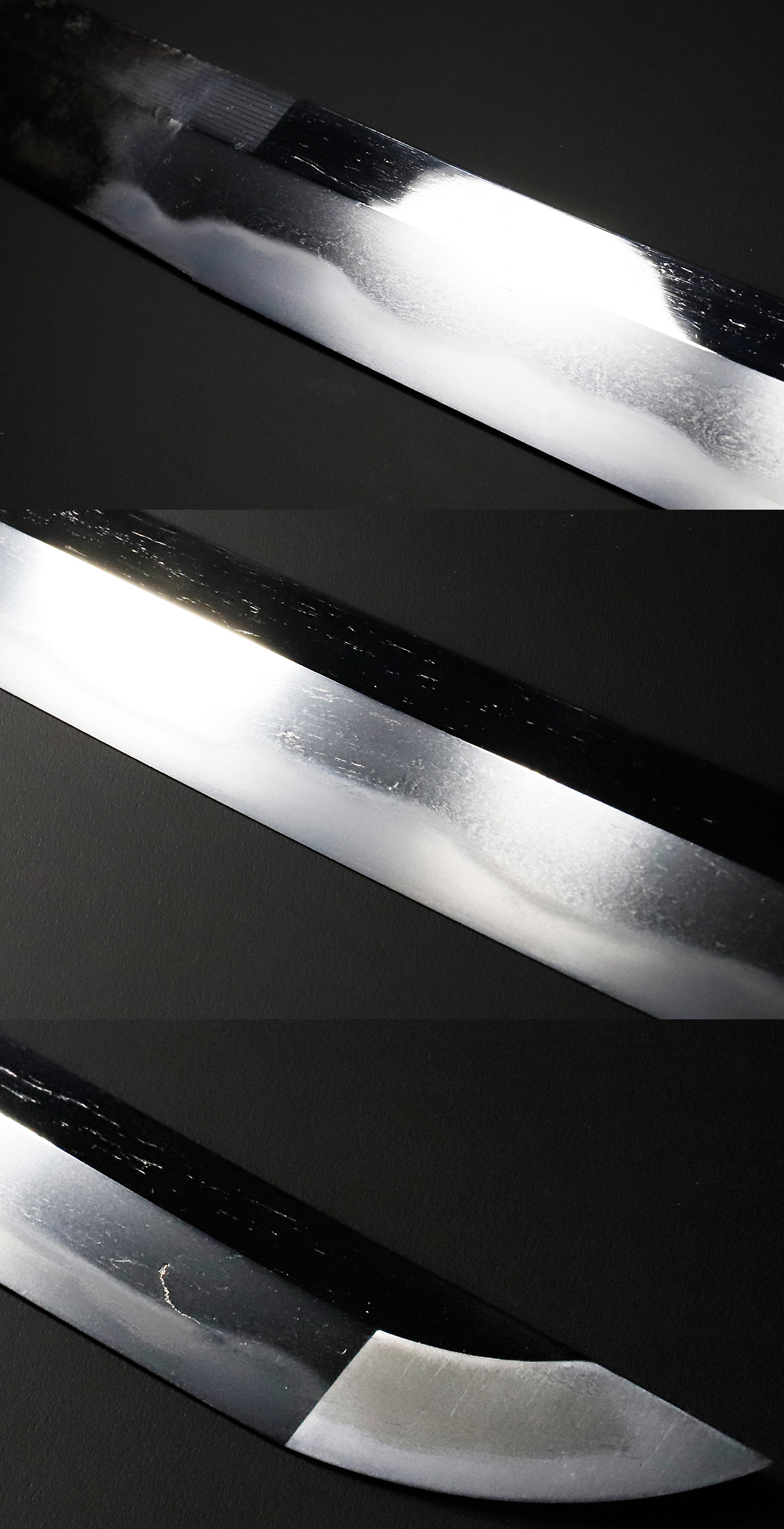
| Jihada (Metal pattern) | Tightly forged itame-hada mixed with mokume-hada and flowing grain, with visible chikei and ji-nie. |
| Hamon (Temper line) | Notare mixed with gunome. |
| Bōshi (Point / Tip) | Straight with a small rounded tip and a graceful turn. |
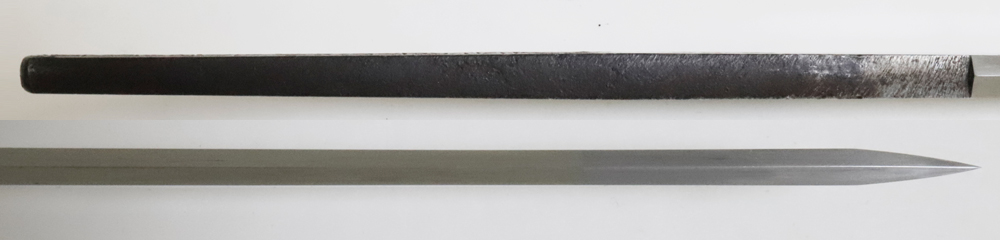
| Nakago (Tang) | Suriage (shortened), with a katte-sagari file pattern and a shallow kurijiri end. |
| Mekugiana (Rivet holes) | 2 |
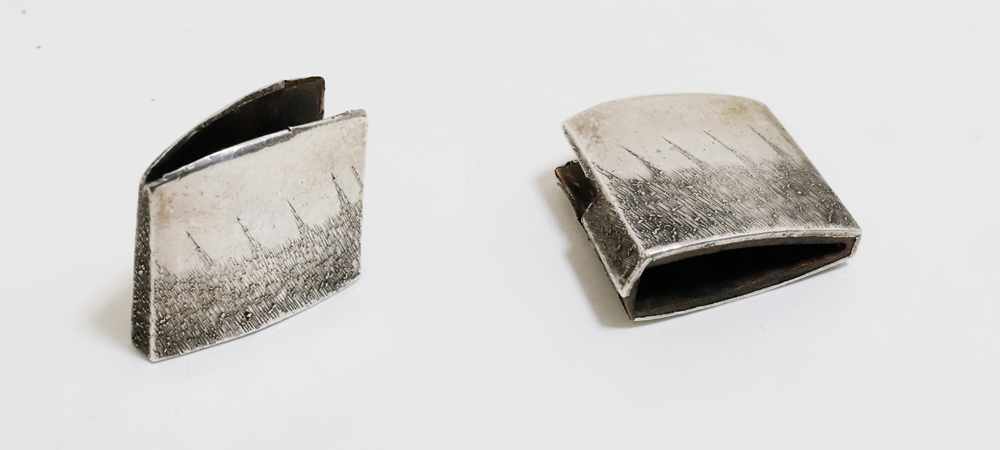
| Habaki | Silver-foiled copper habaki with a koshi-Yujo file pattern. |
Price |
350,000 JPY |
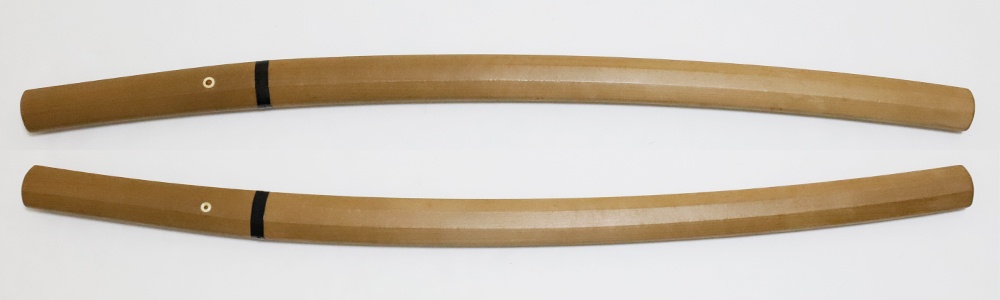
| The first-generation Miyoshi Nagamichi was born in Kanei 10 (1633) as the son of Miyoshi Masanaga, a retained swordsmith of the Aizu Domain. His common name was Toshiro, and he initially signed his works Michinaga. In Manji 1 (1658), he received the honorary title of Mutsu Daijo and changed his name to Nagamichi. Due to his workmanship resembling that of Nagasone Kotetsu and the excellent cutting ability of his blades, he was known as the “Aizu Kotetsu.” He was a renowned swordsmith ranked as Shinto Jojo-saku and Saijo O-wazamono. He passed away in Jokyo 2 (1685) at the age of 53. The second-generation Nagamichi was the son of the first generation and was commonly known as Shoemon. He is said to have made numerous blades on behalf of his father and faithfully inherited his father's style of workmanship. He passed away in Jokyo 5 (1688) at the young age of 27, leaving relatively few surviving works. This wakizashi was forged in Jokyo 4 (1687), two years after the death of the first generation, when the second-generation Nagamichi was 26 years old, just one year before his own death. Although shortened, the blade has a broad width, an elongated chu-kissaki, and noticeable curvature. The jigane exhibits itame-hada mixed with flowing grain, while the hamon is a suguha-based notare mixed with gunome. Both the jigane and hamon display workmanship reminiscent of the first-generation Nagamichi. Although there is a small forging flaw just below the yokote on the ura side, this is a rare and valuable example of the relatively few surviving works by the second-generation Miyoshi Nagamichi. This wakizashi passed the NBTHK Hozon Token shinsa in 2025. |

 Search