| Product No. WA-0898 波平大和守平安国 | |
|---|---|
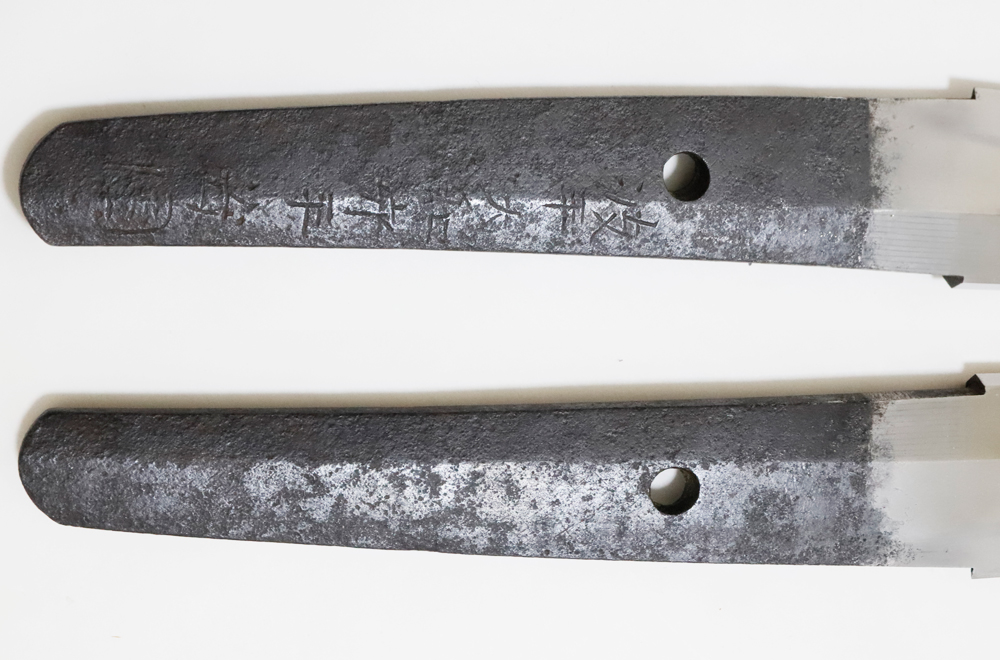
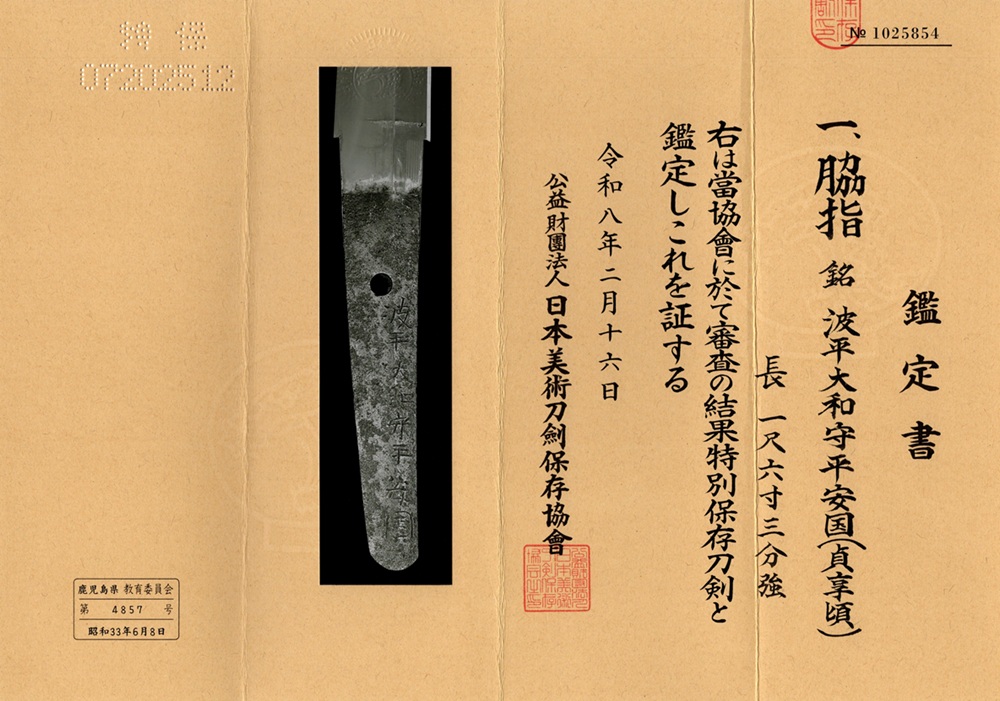
| Mei |
Naminohira Yamato no Kami Taira Yasukuni Back: -- |
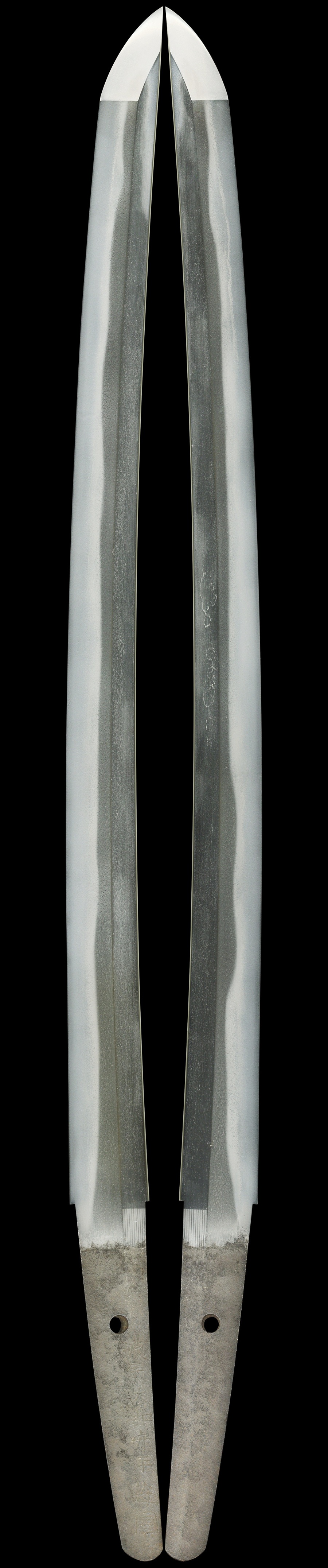
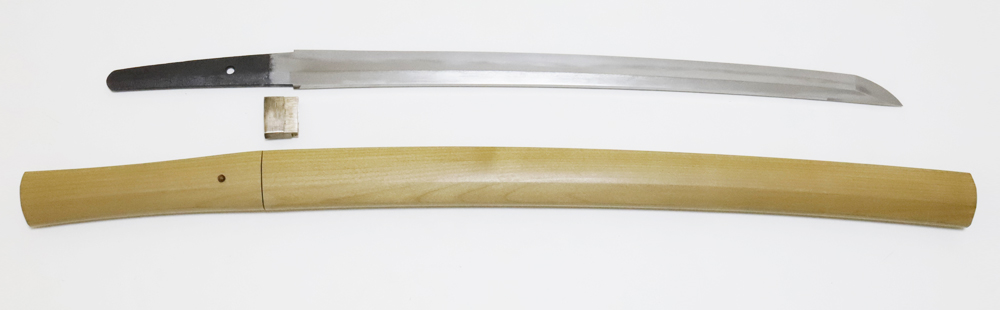
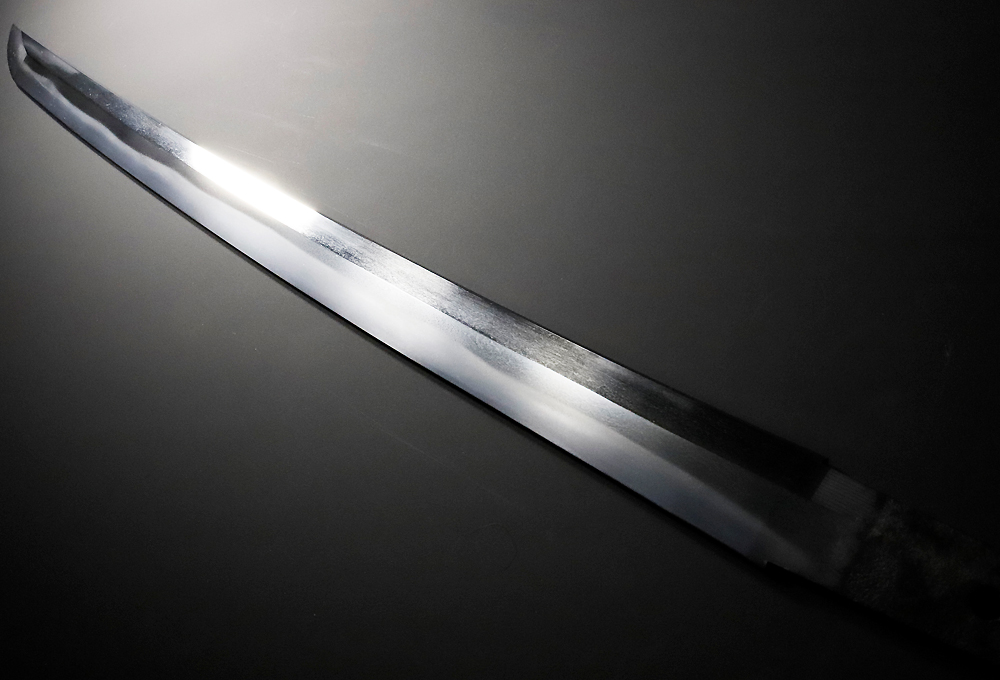
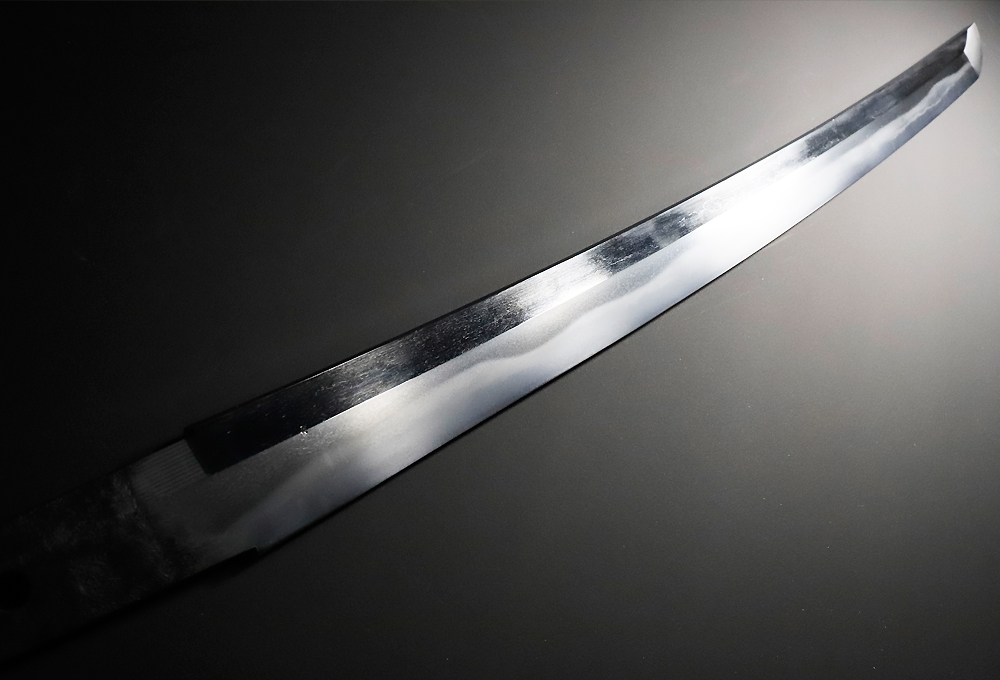
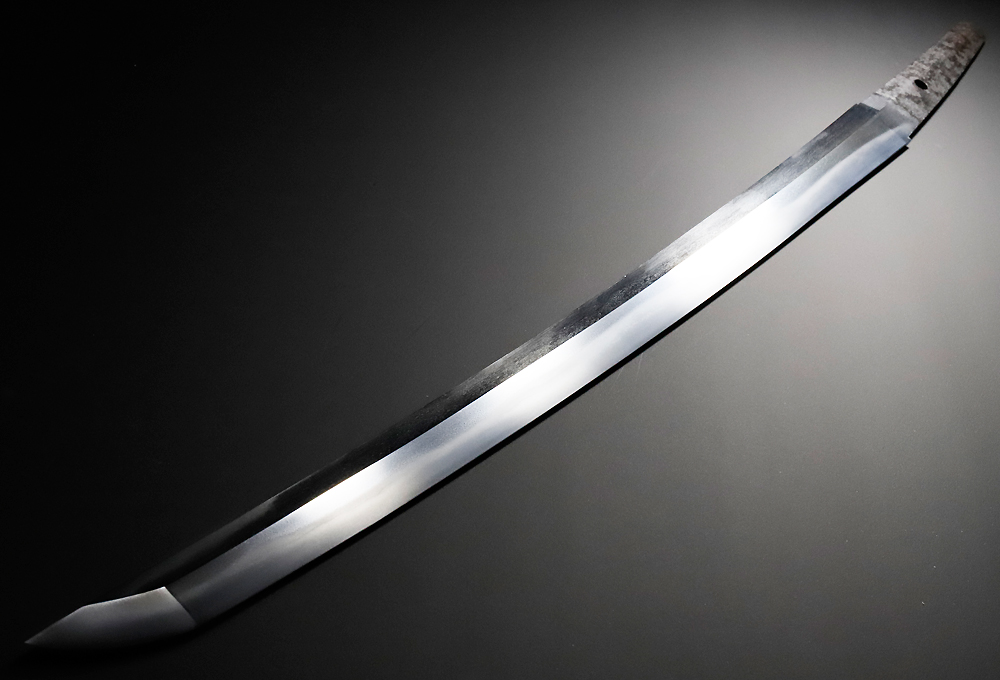
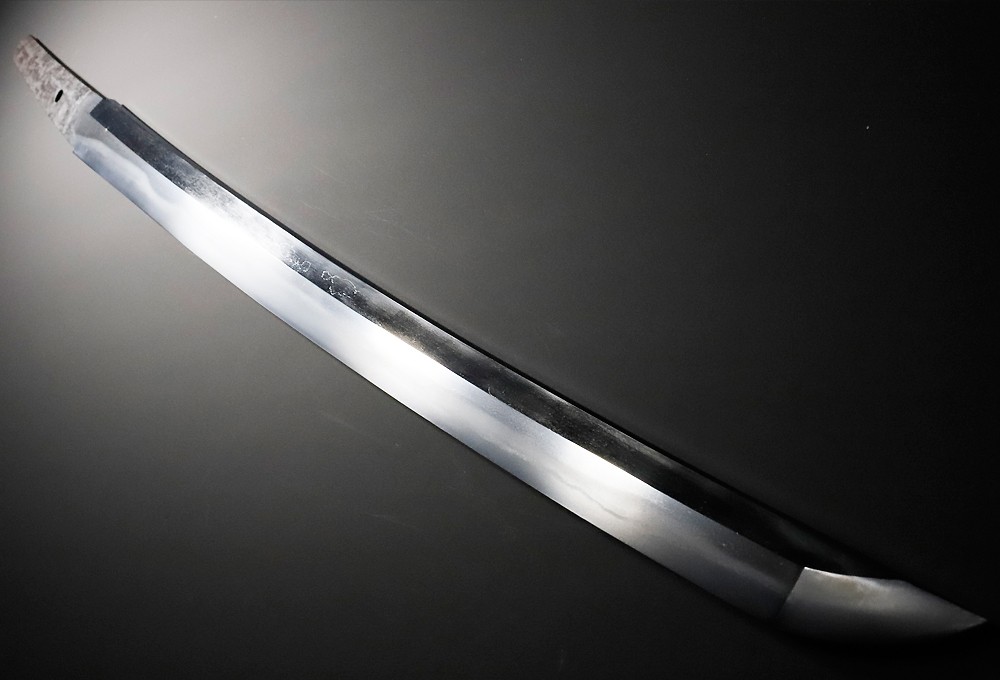
| Shape | Forged in shinogi-zukuri with an iori-mune, featuring a medium kissaki. The blade is wide, with a high shinogi and thick kasane, creating a massive and powerful silhouette with only slight sori |
| Region | Satsuma Province |
| Era | Early Edo Period(around Jokyo Era 1684-1688) |
| Length |
49.4 cm 19.4 in |
| Sori (curvature) |
0.9 cm 0.4 in |
| Motohaba |
3.3 cm 1.3 in |
| Sakihaba |
2.4 cm 1.0 in |
| Munekasane |
0.7 cm 0.3 in |
| Status | Tokubetsu Hozon Token |
| Certification Date | February 16, |
| Registration Authority | Kagoshima Prefecture |
| Registration Date | June 08, 1957 |
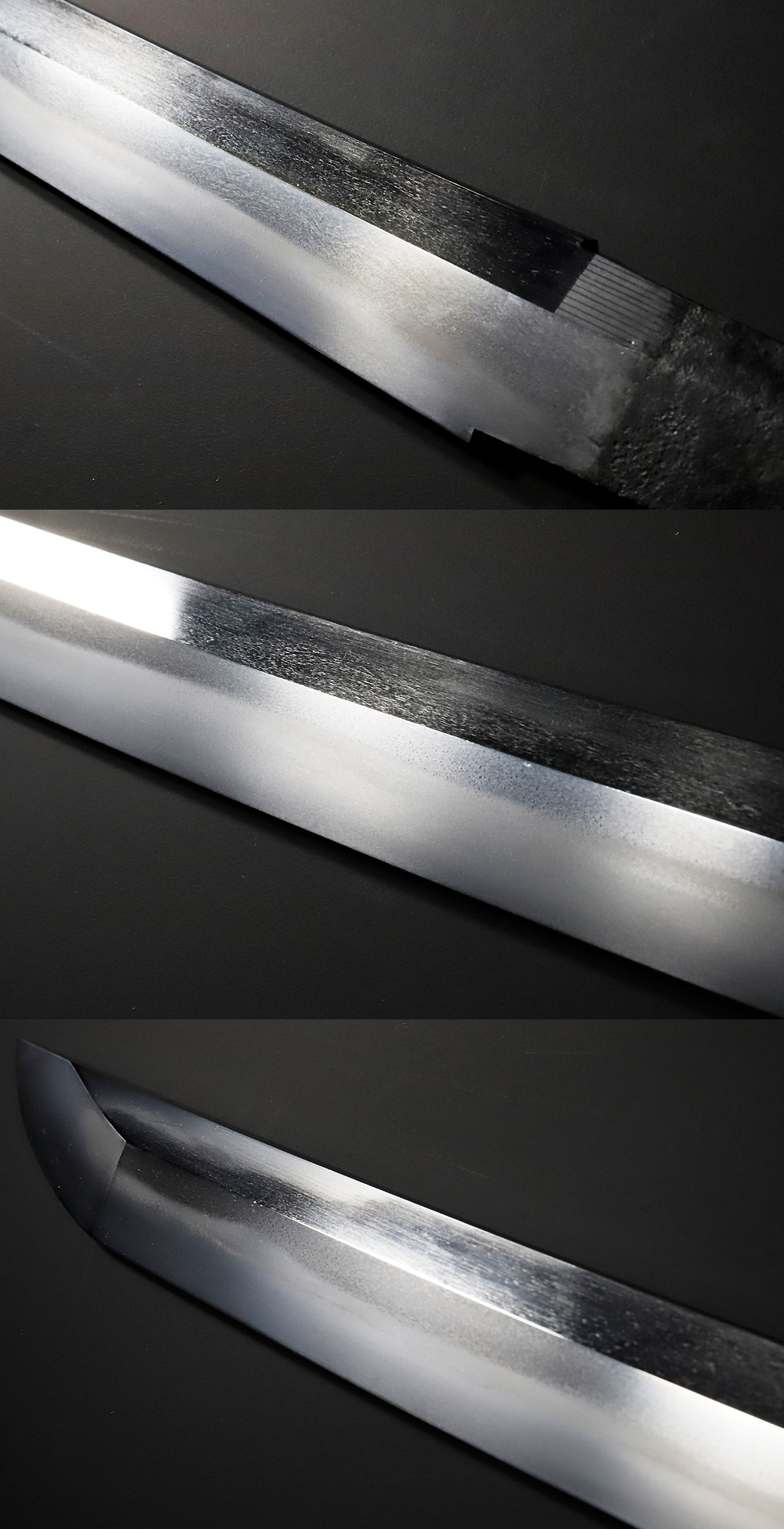
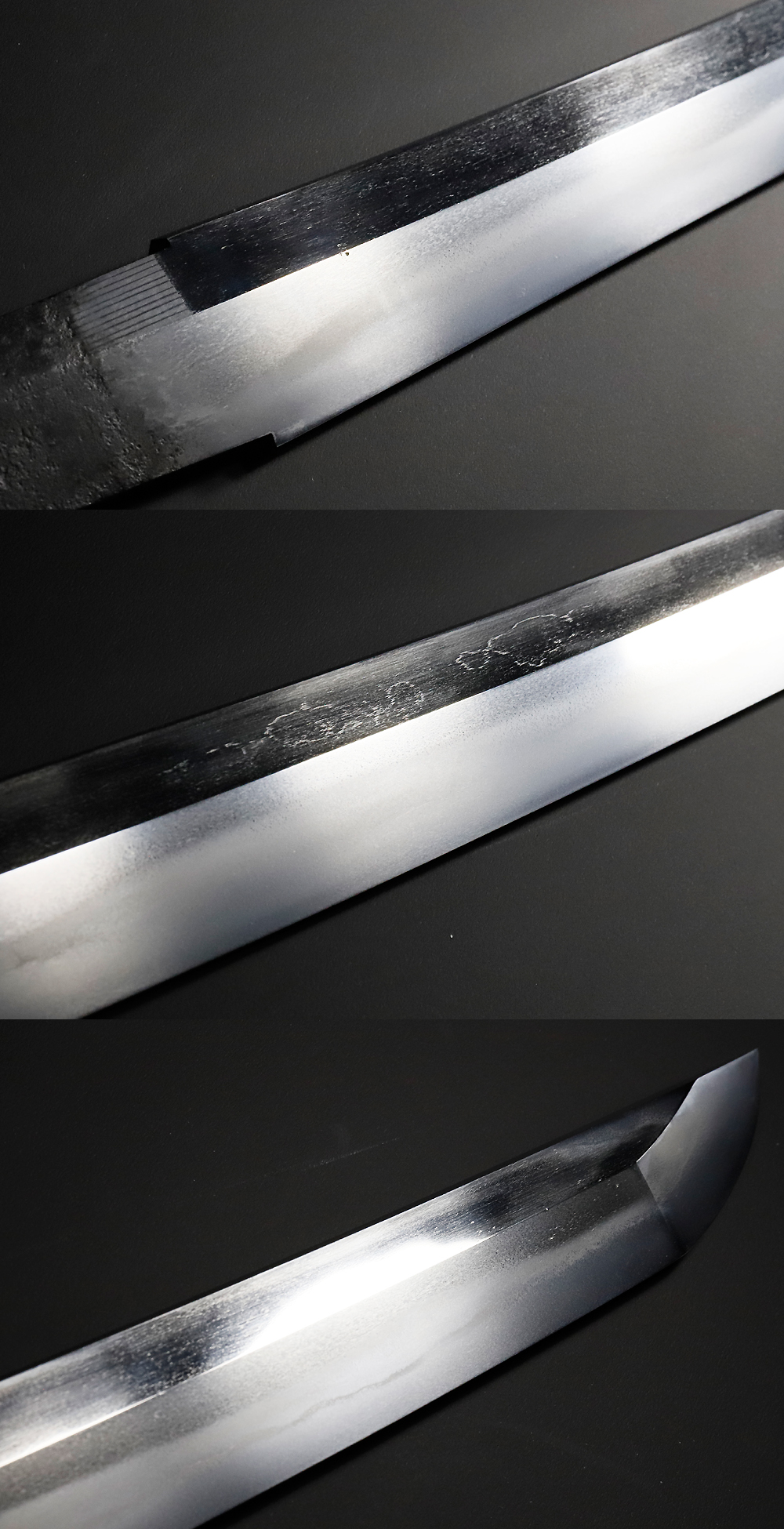
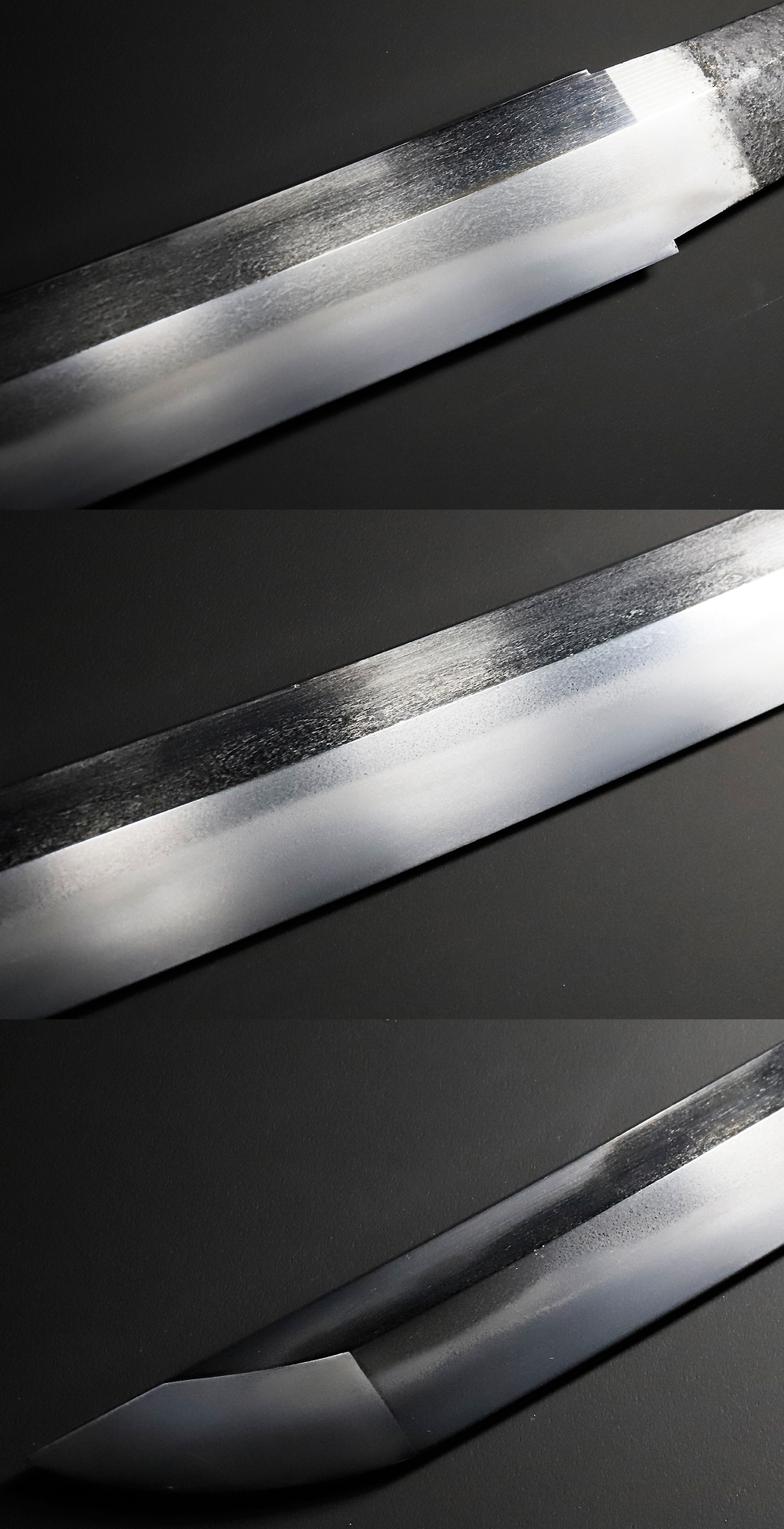
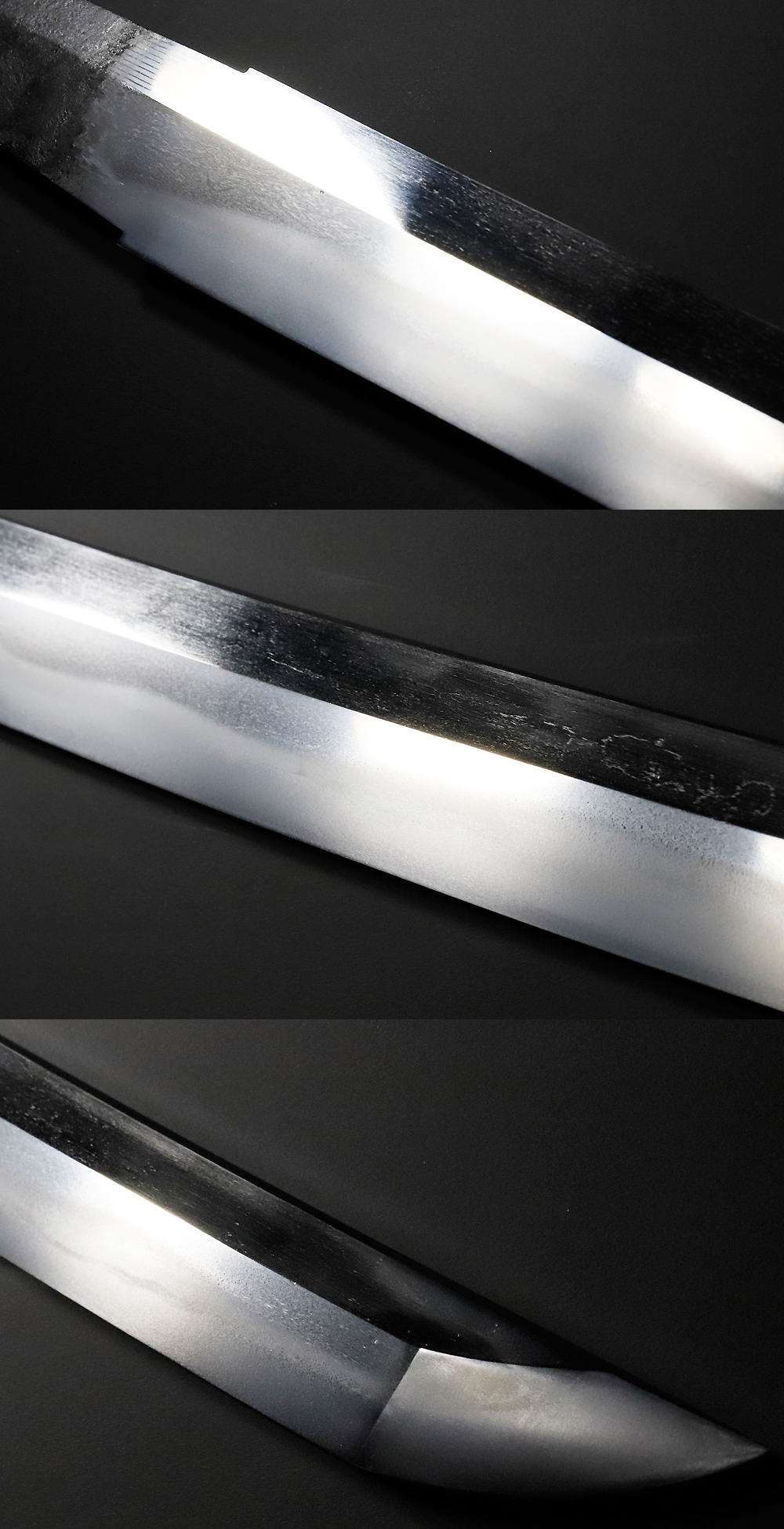
| Jihada (Metal pattern) | Well-forged ko-itame mixed with flowing masame, with ji-nie and yubashiri (patches of nie) |
| Hamon (Temper line) | A high, gently undulating notare in nie-deki, with a deep nioiguchi. Nie-suji run along the habuchi on both sides of the blade |
| Bōshi (Point / Tip) | Deeply tempered with abundant nie, forming a ko-maru and turning back long |
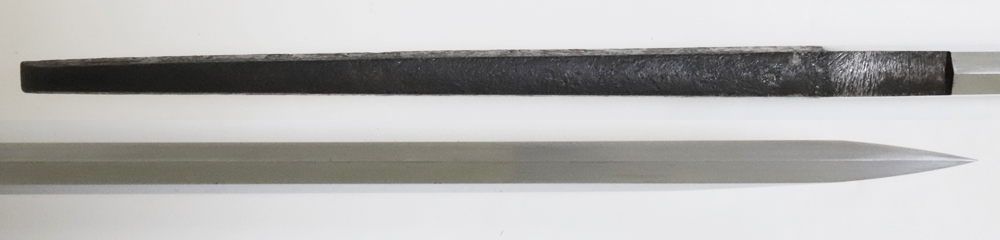
| Nakago (Tang) | Ubu, with higaki yasurime (crosshatched file marks) and a kurijiri tip |
| Mekugiana (Rivet holes) | 1 |
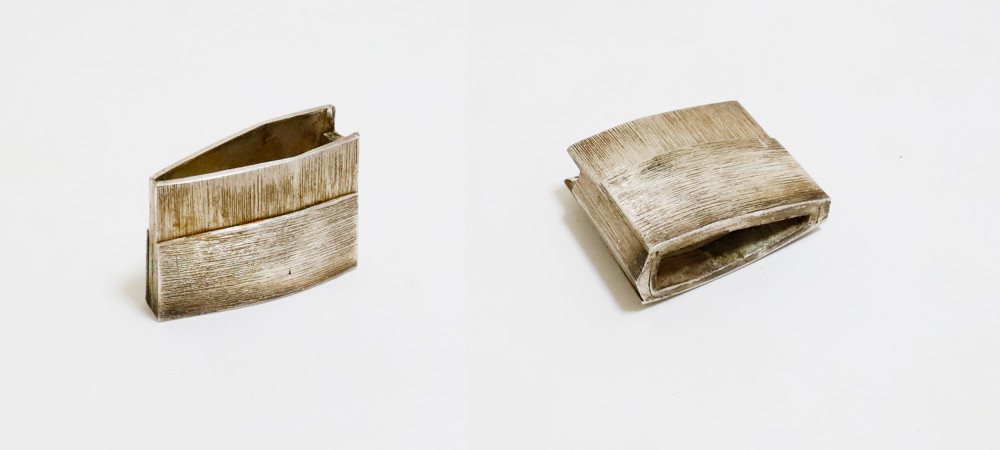
| Habaki | Solid silver, double habaki with an overall file-marked finish |
Price |
SOLD |
| Yamato no Kami Yasuyuki was Hashiguchi Saburōbei, born in 1620. He is said to have inherited the long-standing tradition of the Hashiguchi family, tracing its origins to Masakuni, a swordsmith from Yamato Province and founder of the Naminohira school, who is believed to have moved first to Kyoto during the Heian period and later settled in Satsuma. Yasuyuki studied under Izu no Kami Masafusa. In 1665, he was granted the honorary title Yamato Daijō, which was later elevated to Yamato no Kami. He died in 1695 at the age of seventy-six. This wakizashi is forged in shinogi-zukuri with a broad mihaba, a high shinogi, and thick kasane, giving it a massive and powerful appearance. The jihada is a finely forged ko-itame mixed with flowing masame. The hamon is a high, gently undulating notare in nie-deki with a deep nioiguchi, while nie-suji run along the habuchi on both sides of the blade. It is an attractive example of a Shintō-period sword by the Naminohira school. It has passed the NBTHK Tokubetsu Hozon Token shinsa in December 2025. |

 Search