| Product No. WA-0888 越之前州住兼植 | |
|---|---|
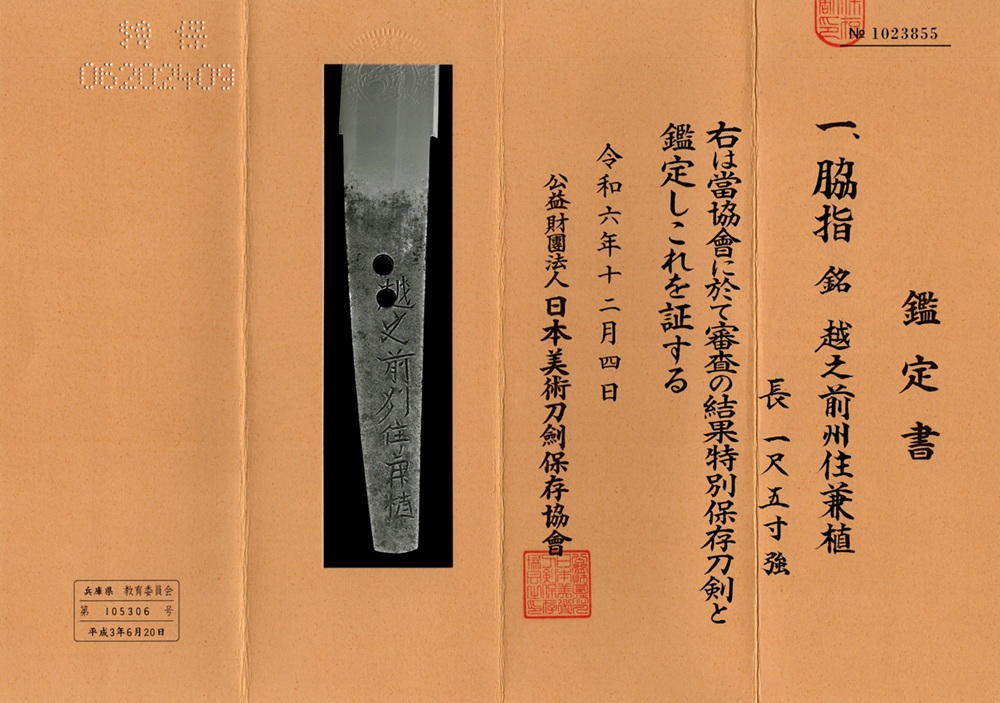
| Mei |
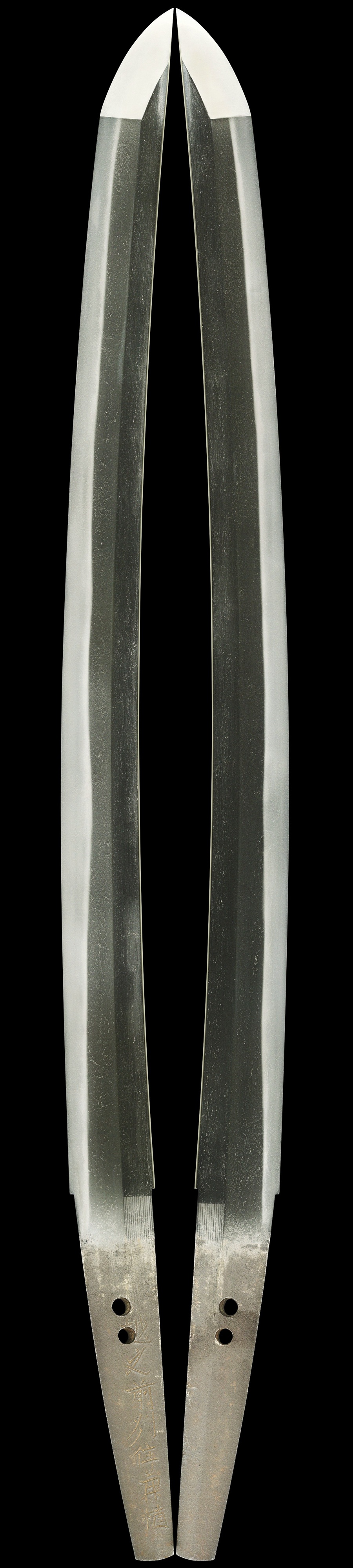
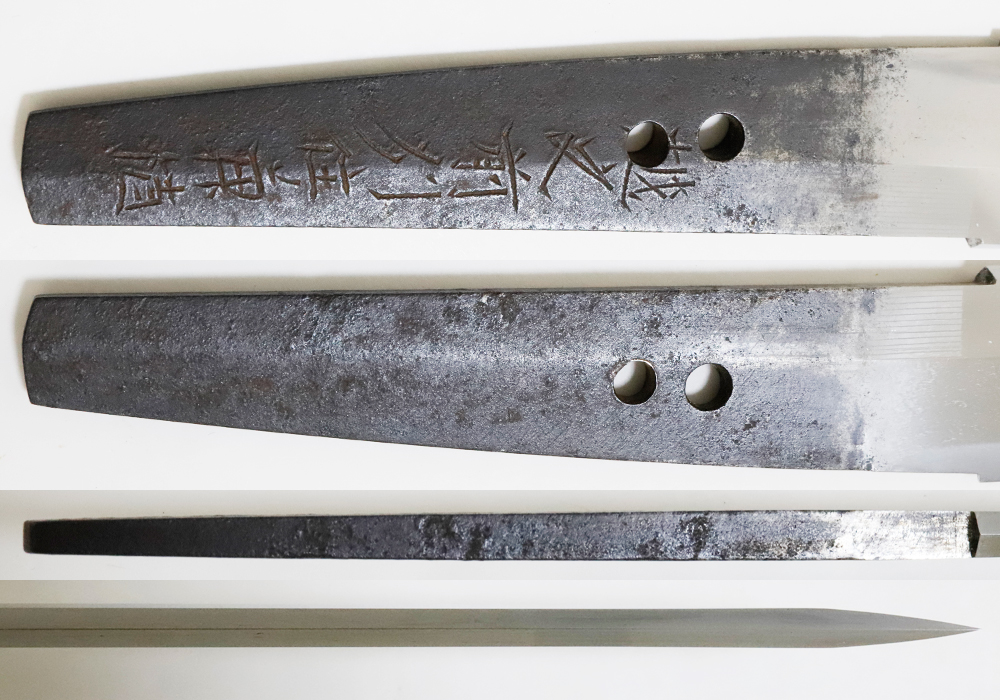
Kanetane, resident of Echizen Province Back: -- |
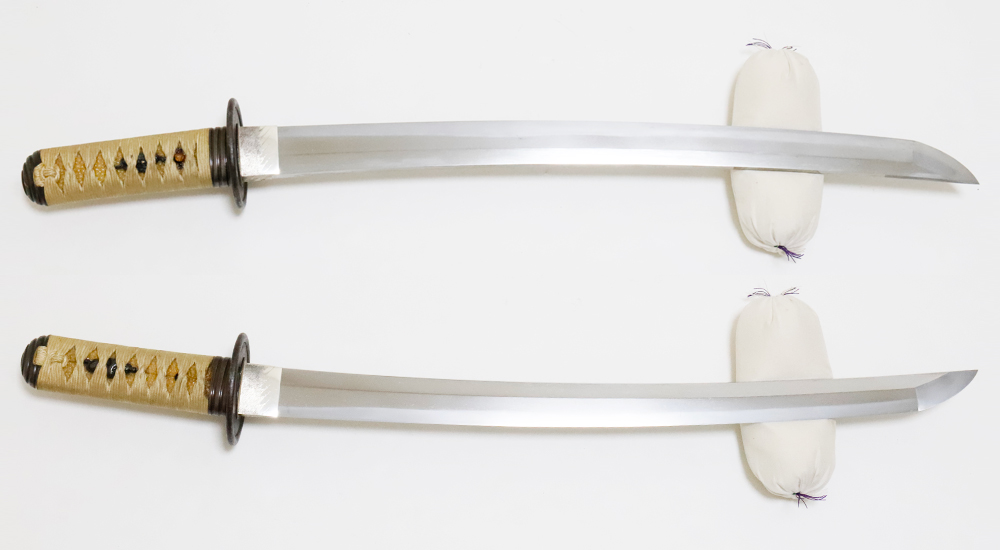
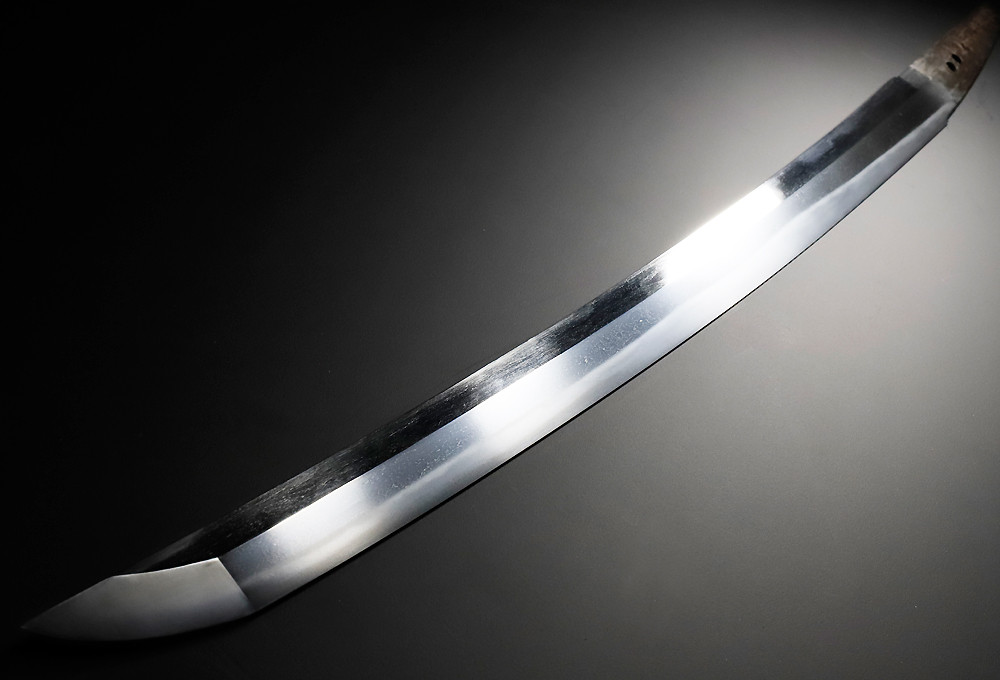
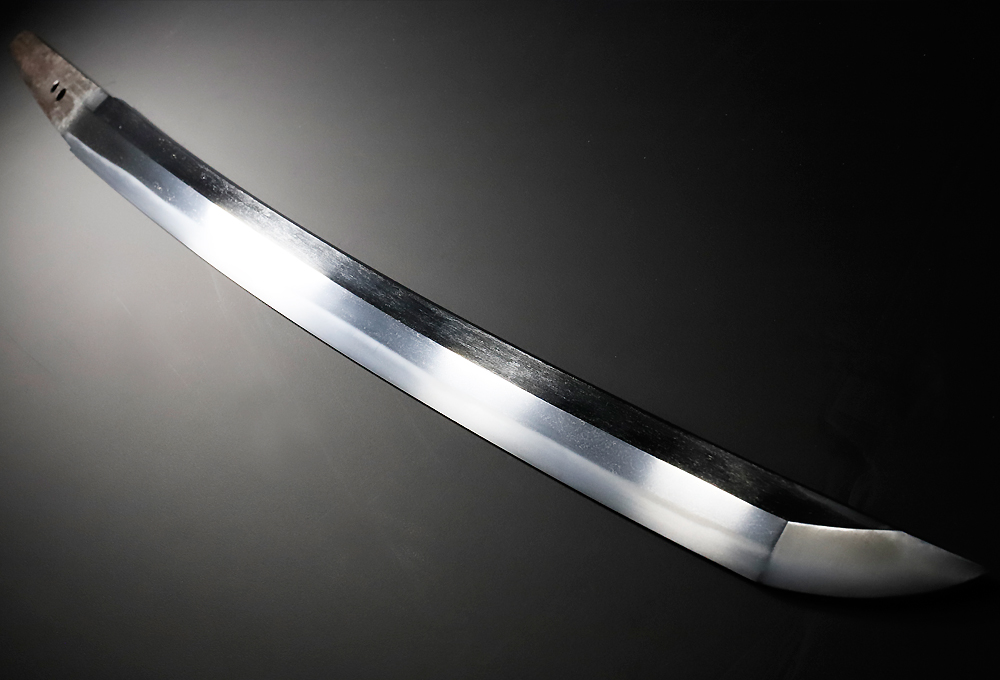
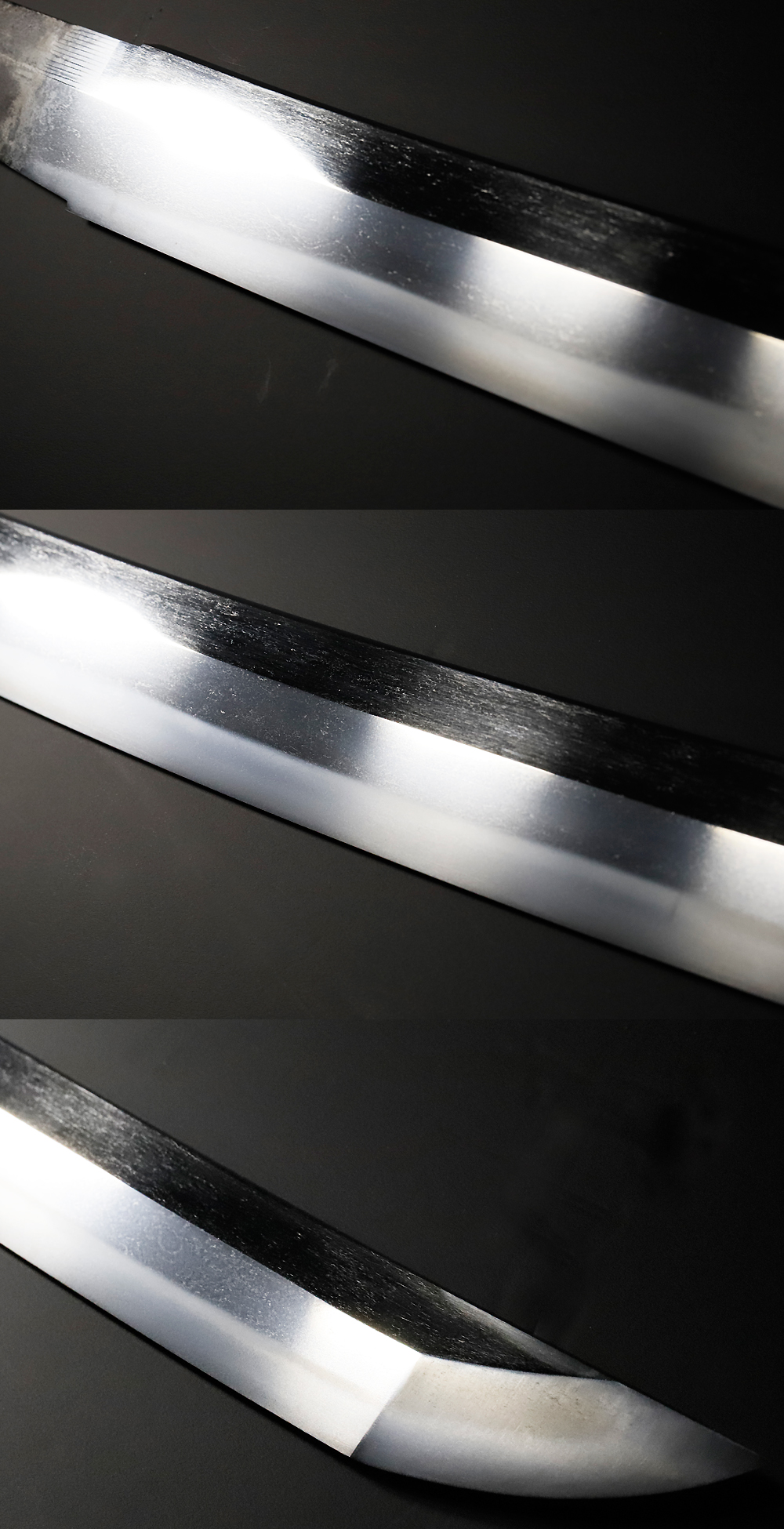
| Shape | Shinogi-zukuri with an iori-mune, extended medium kissaki, wide mihaba, thick kasane, and moderate sori, showing a healthy and well-balanced sugata |
| Region | Ichijo, Echizen Province |
| Era | Early Edo period (around the Kan’ei era, 1624–1644) |
| Length |
45.4 cm 17.9 in |
| Sori (curvature) |
1 cm 0.4 in |
| Motohaba |
3.4 cm 1.3 in |
| Sakihaba |
2.6 cm 1.0 in |
| Munekasane |
0.7 cm 0.3 in |
| Status | Tokubetsu Hozon Token |
| Certification Date | December 04, 2024 |
| Registration Authority | Hyogo Prefecture |
| Registration Date | June 20, 1991 |
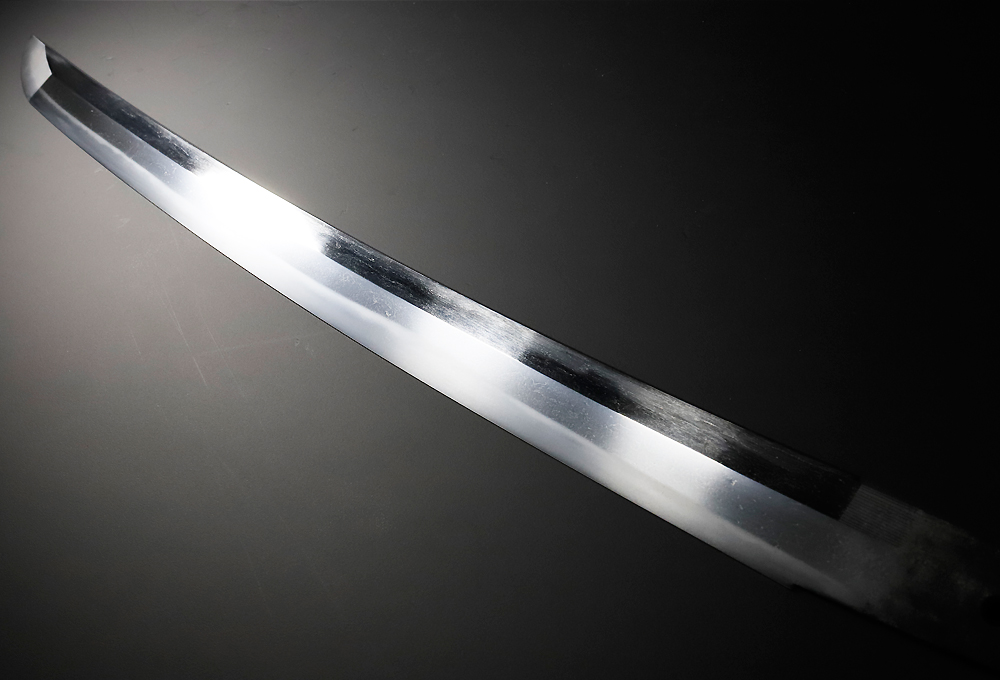
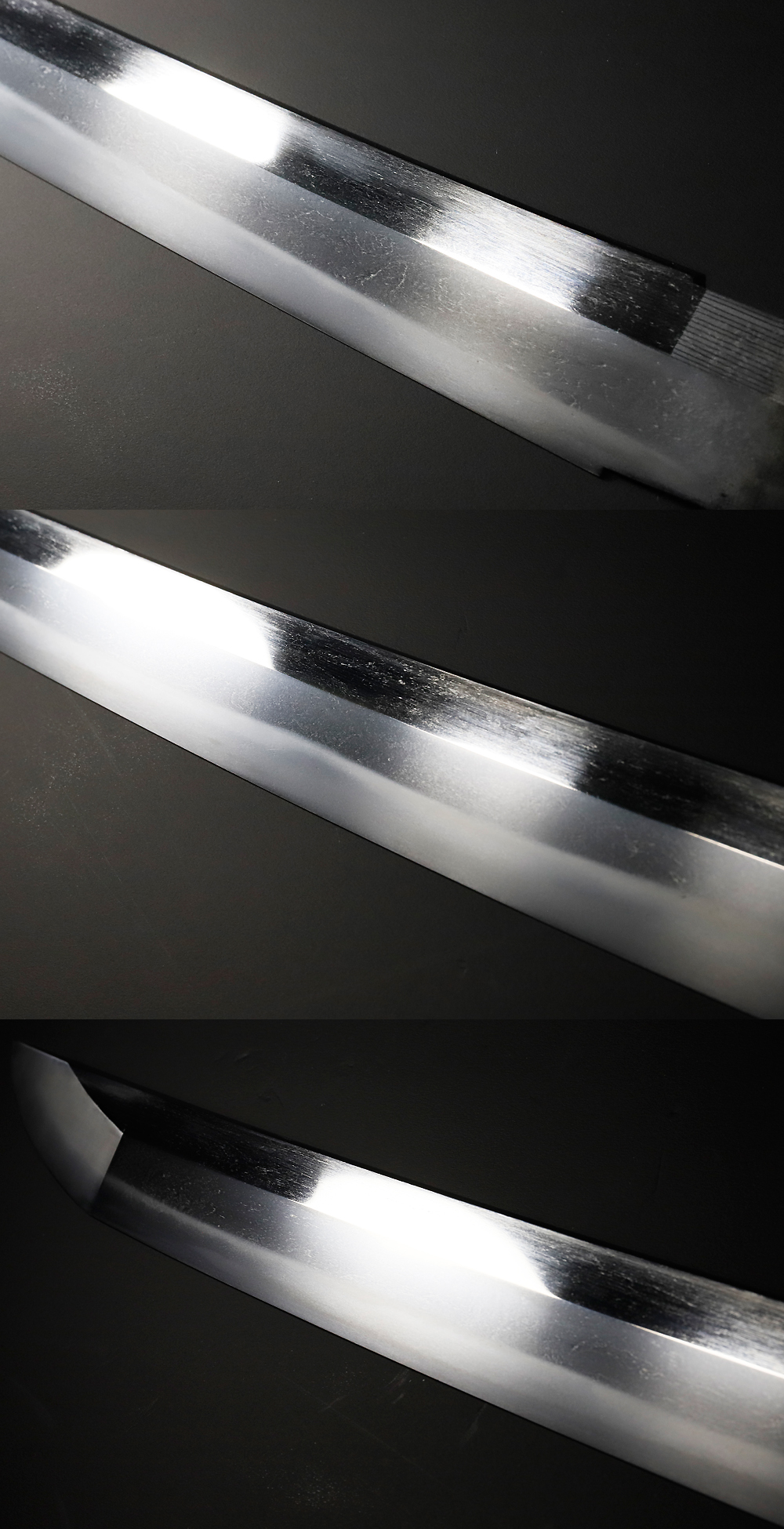
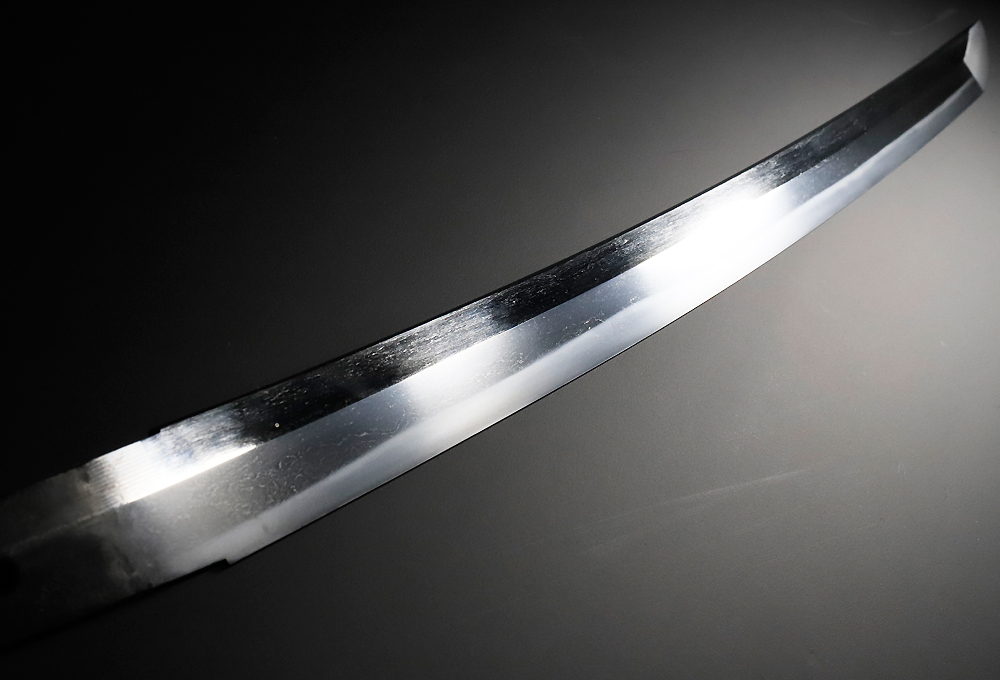
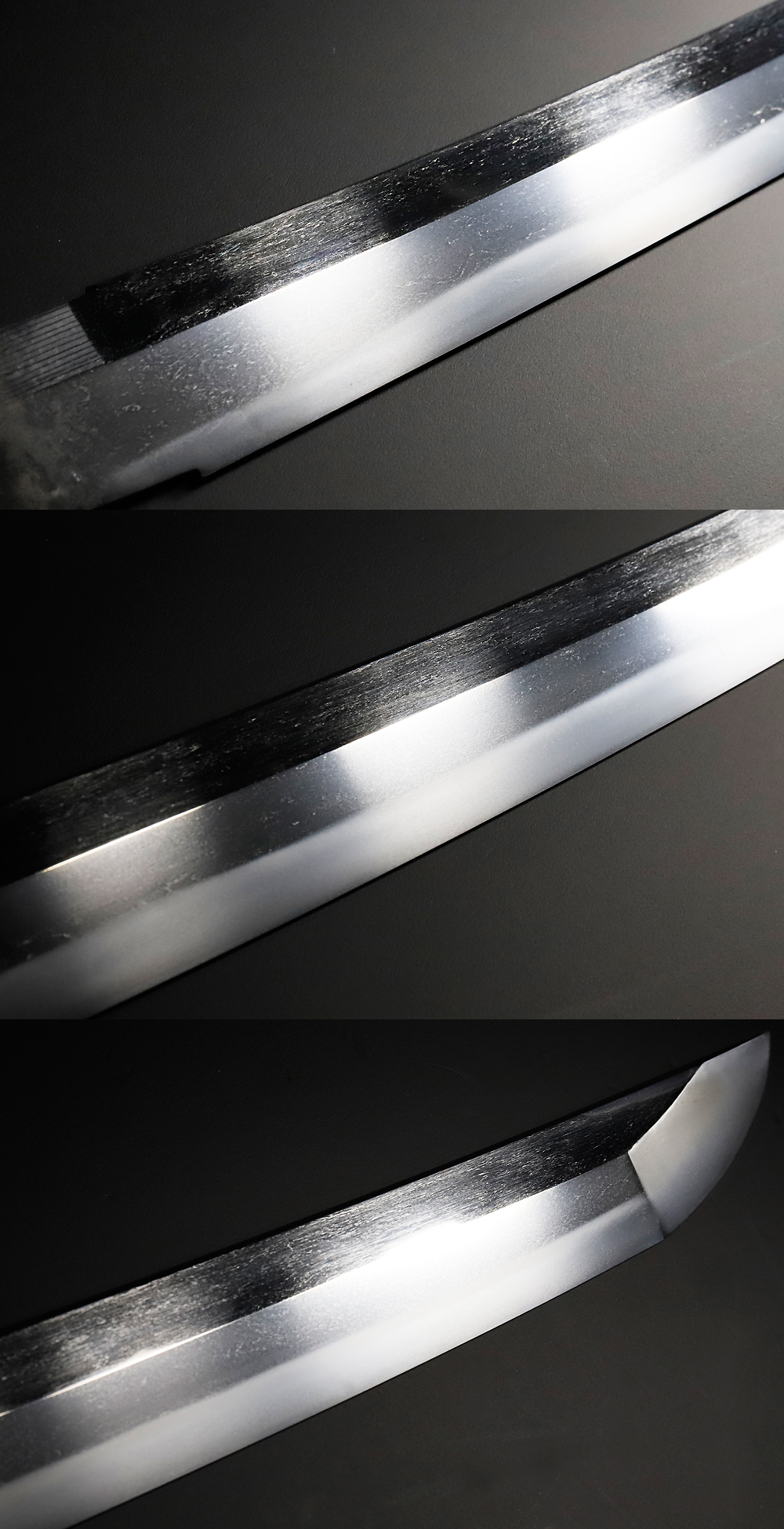
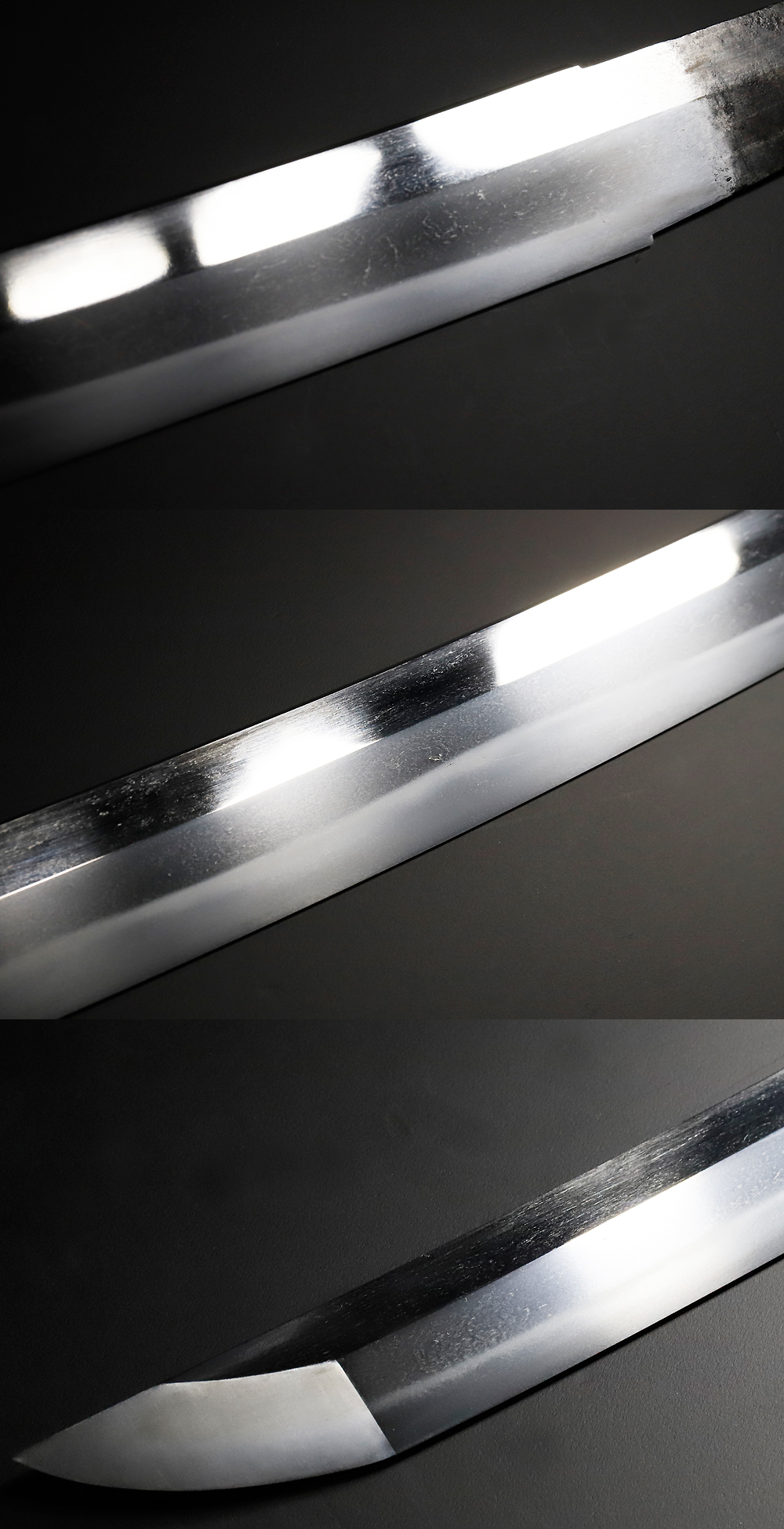
| Jihada (Metal pattern) | Itame hada well forged with flowing grain and mixed mokume |
| Hamon (Temper line) | Primarily suguha-based with a slight notare tendency, mixed with small gunome |
| Bōshi (Point / Tip) | Boshi is straight with a small round turnback, showing muneyaki |
| Nakago (Tang) | Ubu, sujikai yasurime, shallow kurijiri |
| Mekugiana (Rivet holes) | 2 |
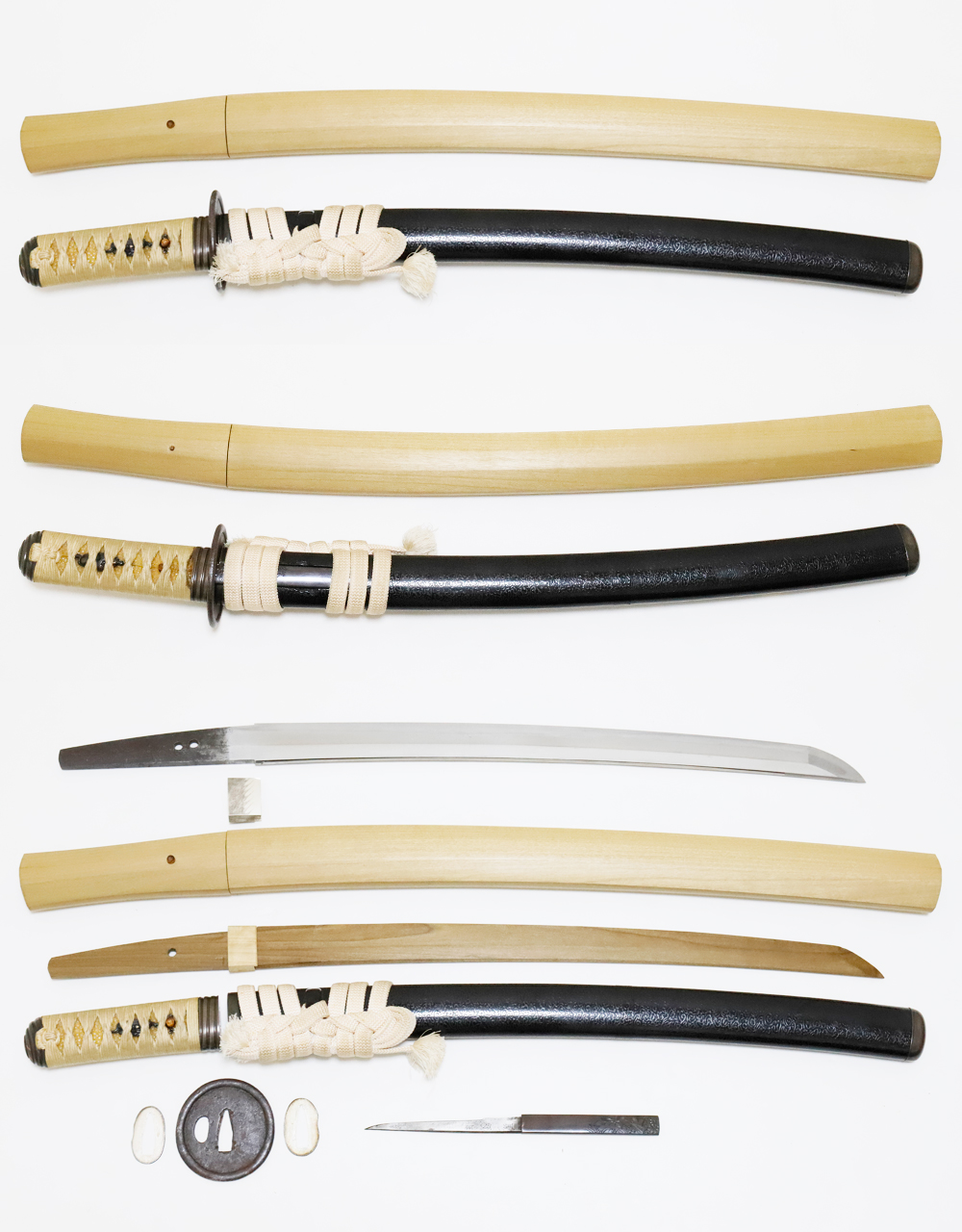
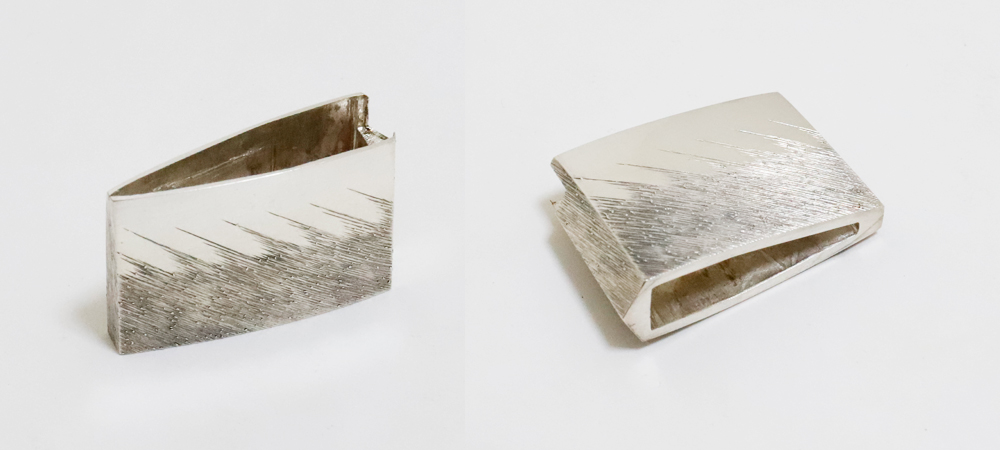
| Habaki | Solid silver habaki with koshi-yūjō file marks |
| Mountings | Koshirae-tsuki |
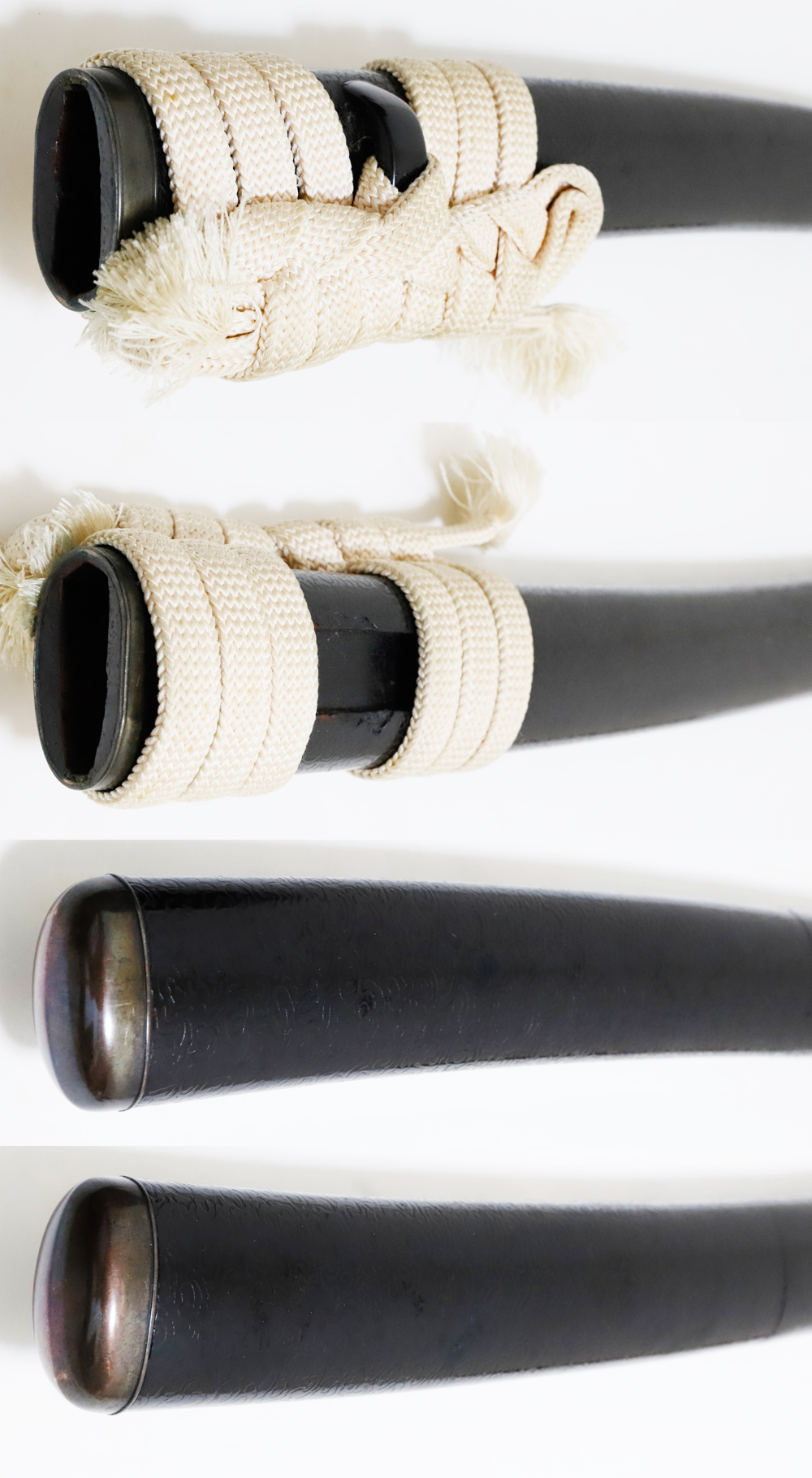
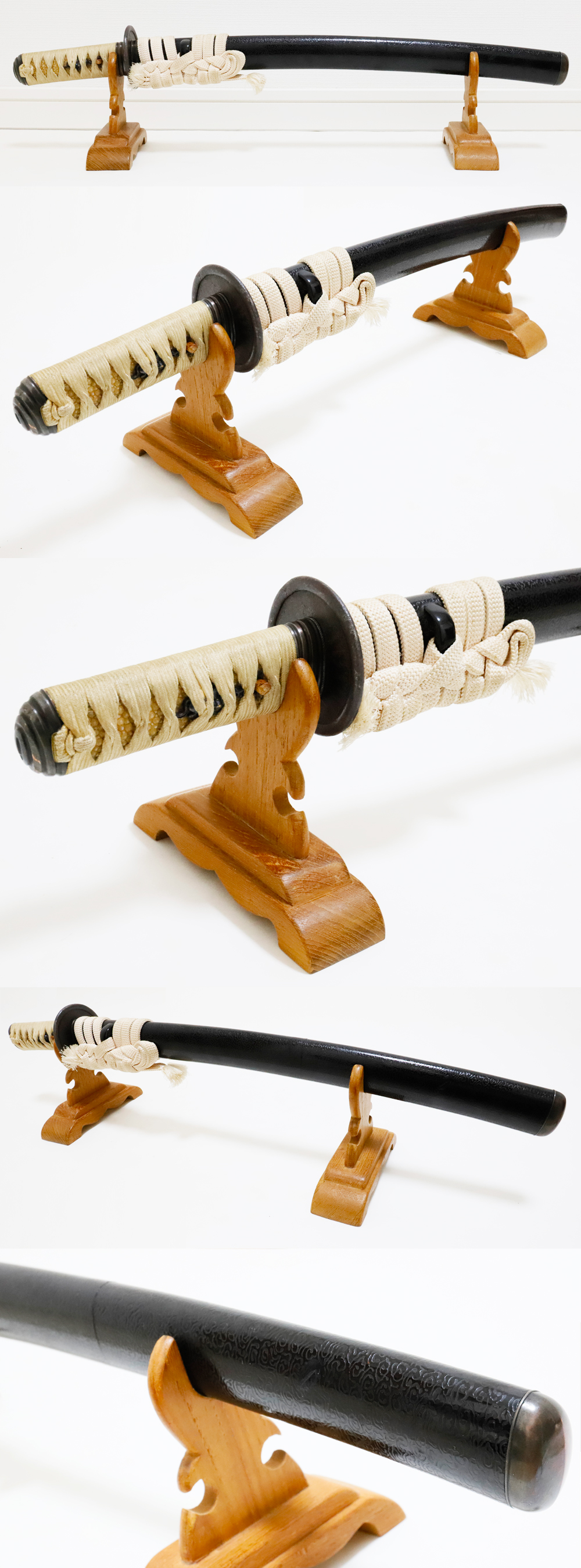
| Koshirae | Wakizashi koshirae with black roiro lacquer saya |
| Koshirae Length |
63.0 cm 24.8 in |
| Tsuka Length |
13.3 cm 5.2 in |
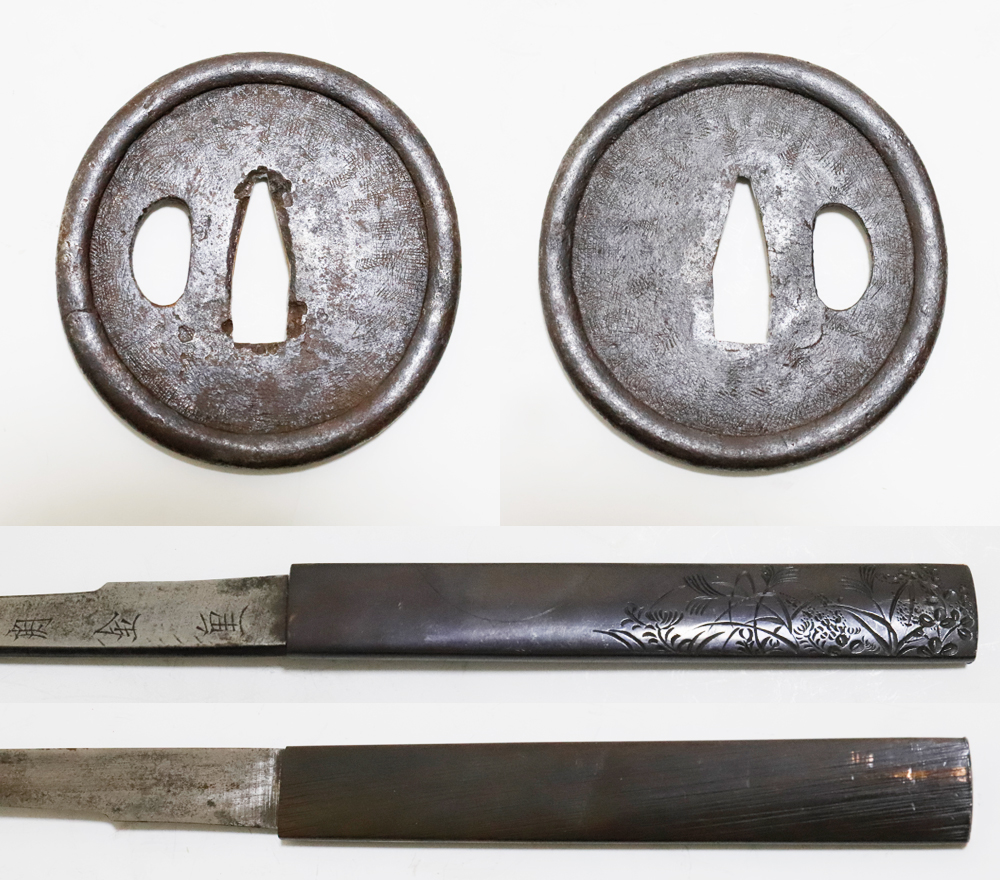
| Tsuba | Openwork iron tsuba with an unidentified design |
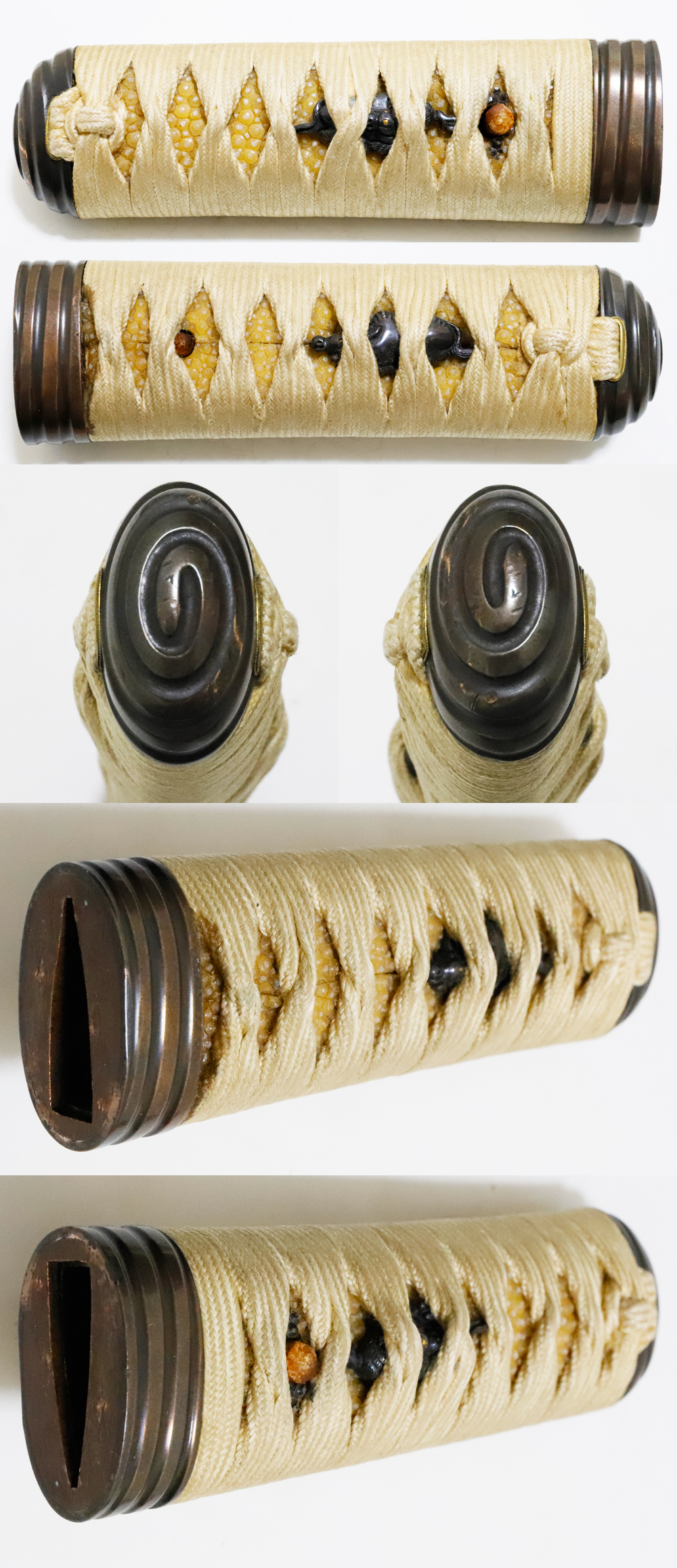
| Menuki | Design of a tea kettle and flowering tree |
| Fuchigashira | Dokko and crescent moon design, iron ground with inlay and colored metal overlay |
| Kozuka | Design of shore plovers, iron ground with inlay and colored metal overlays |
| Other details | Tsuka covered with white samegawa and wrapped in black twisted ito. Iron kojiri with rinpō design inlay |
Price |
500,000 JPY |
| Kanetane was a swordsmith who lived in Ichijōdani in Echizen Province. The Kanetane line continued from the first generation around the Keichō era, who belonged to the Echizen Kanenori school, through the fourth generation around the Genroku era.Based on the signature, this wakizashi is probably the second generation Kanetane, working around the Kan’ei era (1624–1644).The blade is in shinogi-zukuri style with an iori-mune and an extended medium kissaki. It has a wide mihaba, thick kasane, and well-balanced sori, giving it a strong and healthy appearance. The jihada is a well-forged itame mixed with flowing grain and mokume. The hamon is primarily suguha-based with a slight notare tendency, mixed with small gunome. The boshi is straight with a neat ko-maru turnback on both sides.This is a healthy and powerful wakizashi showing the strong workmanship characteristic of early Edo period Echizen swords.The sword is accompanied by black roiro lacquered uchigatana koshirae.This blade passed the 2024 Tokubetsu Hozon Token shinsa. |

 Search