| Product No. KA-0865 無銘(宇多) | |
|---|---|
| Mei |
Mumei, but attributed to the Uda Back: -- |
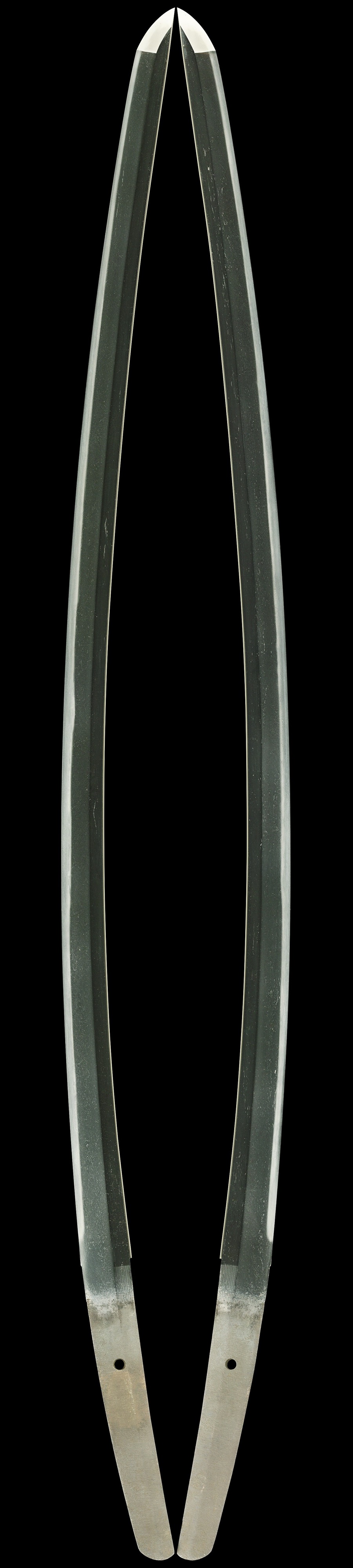
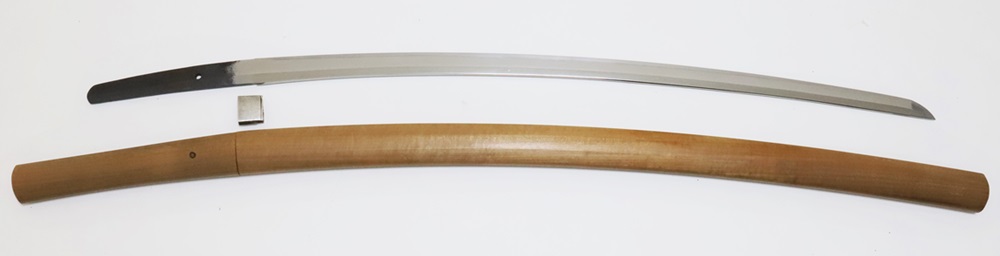
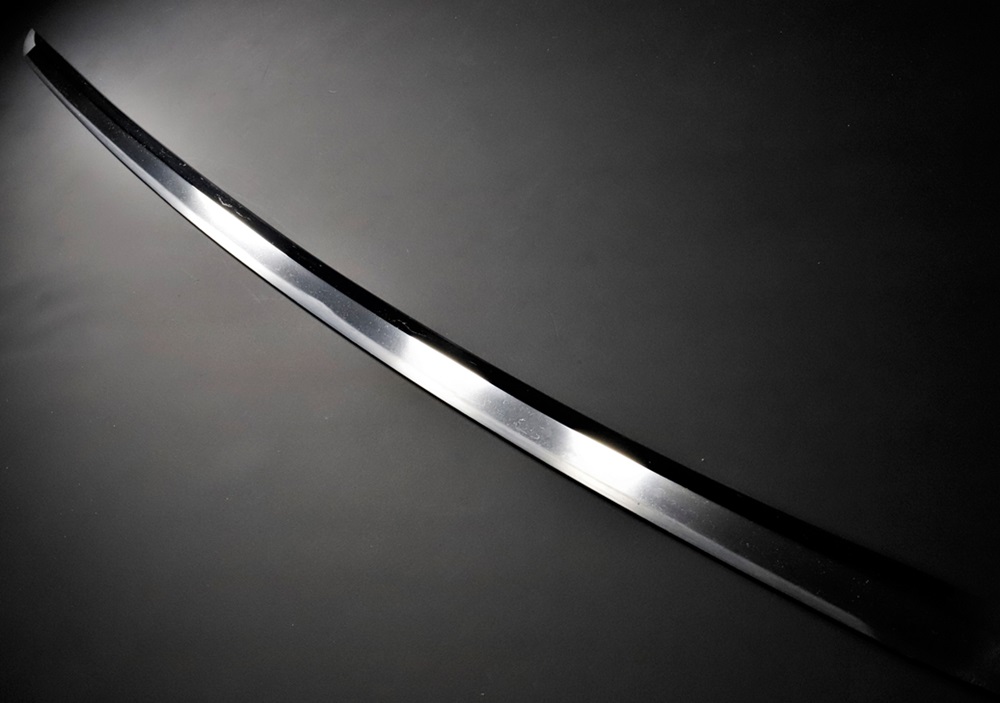
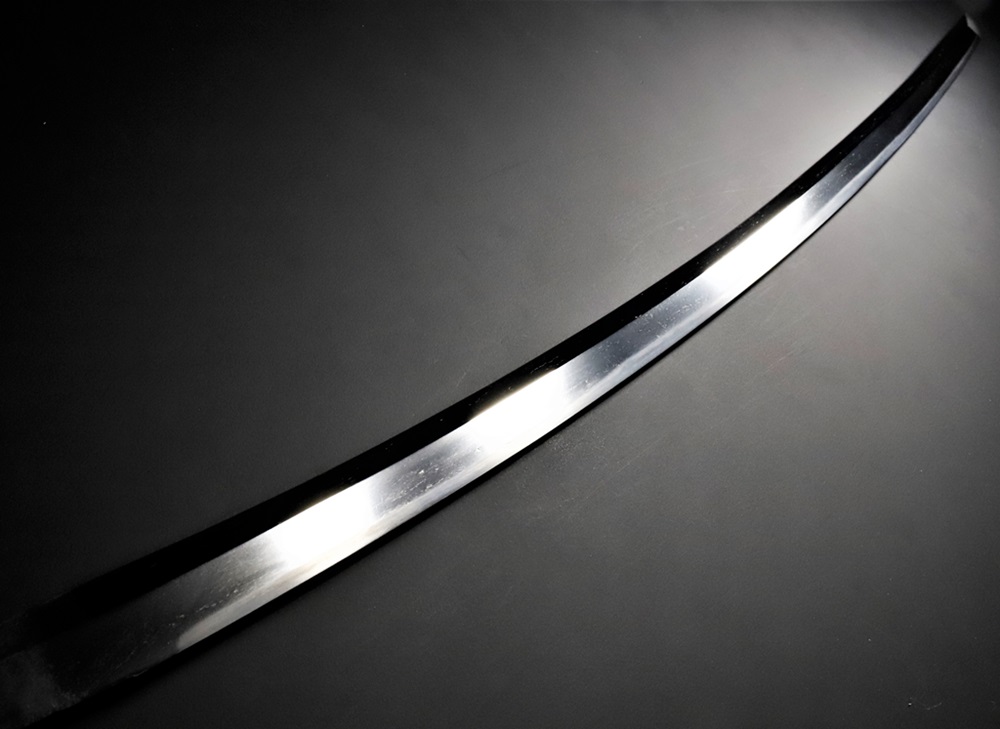
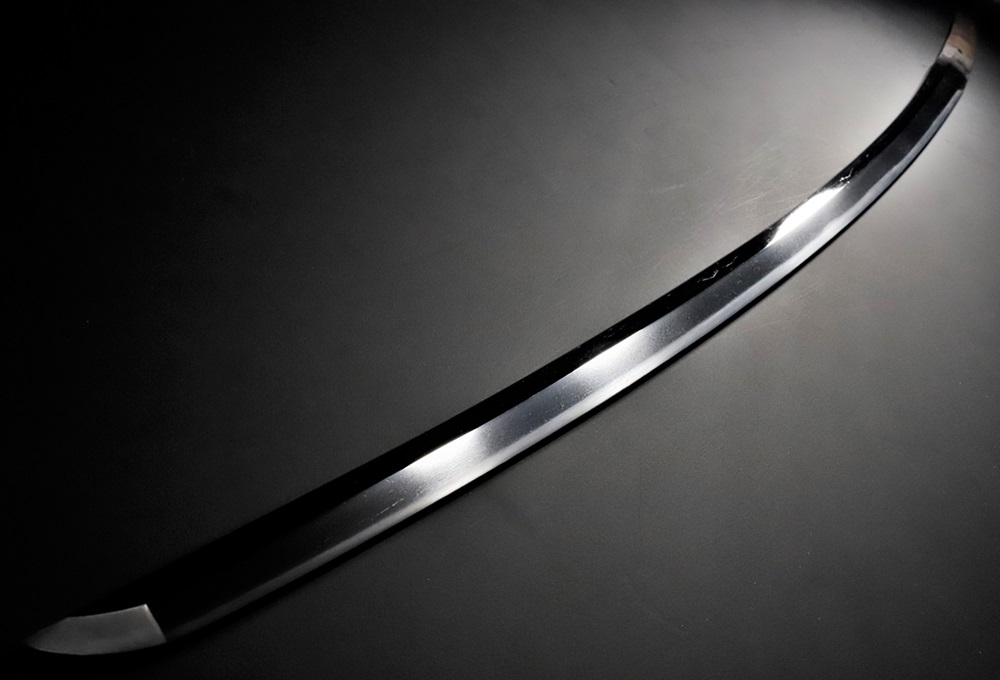
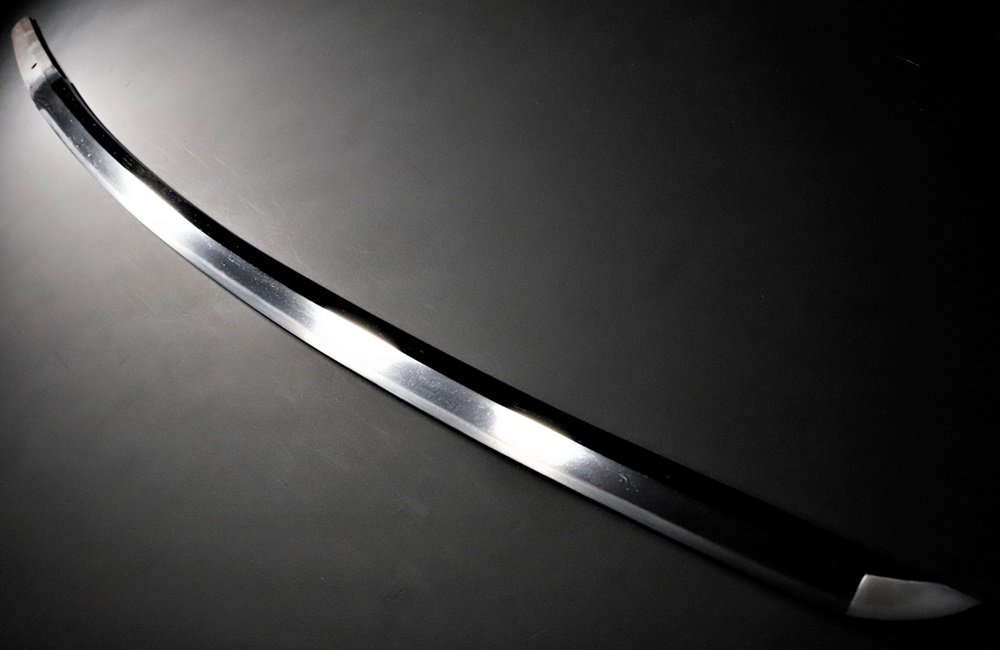
| Shape | Shinogi-zukuri, iori-mune, chu-kissaki with a slightly compact appearance, with pronounced saki-zori, giving the blade a graceful shape. |
| Region | Etchu Province |
| Era | Muromachi Period |
| Length |
68.6 cm 27.0 in |
| Sori (curvature) |
2.4 cm 0.9 in |
| Motohaba |
2.8 cm 1.1 in |
| Sakihaba |
1.8 cm 0.7 in |
| Munekasane |
0.6 cm 0.2 in |
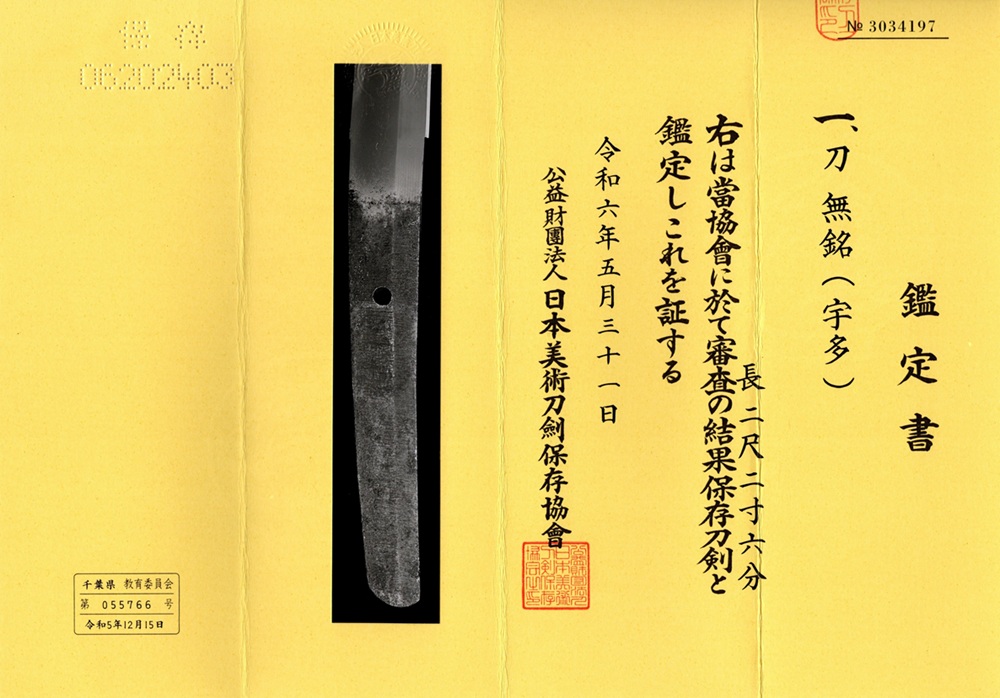
| Status | Hozon Token |
| Certification Date | May 31, 2024 |
| Registration Authority | Chiba Prefecture |
| Registration Date | December 15, 2023 |
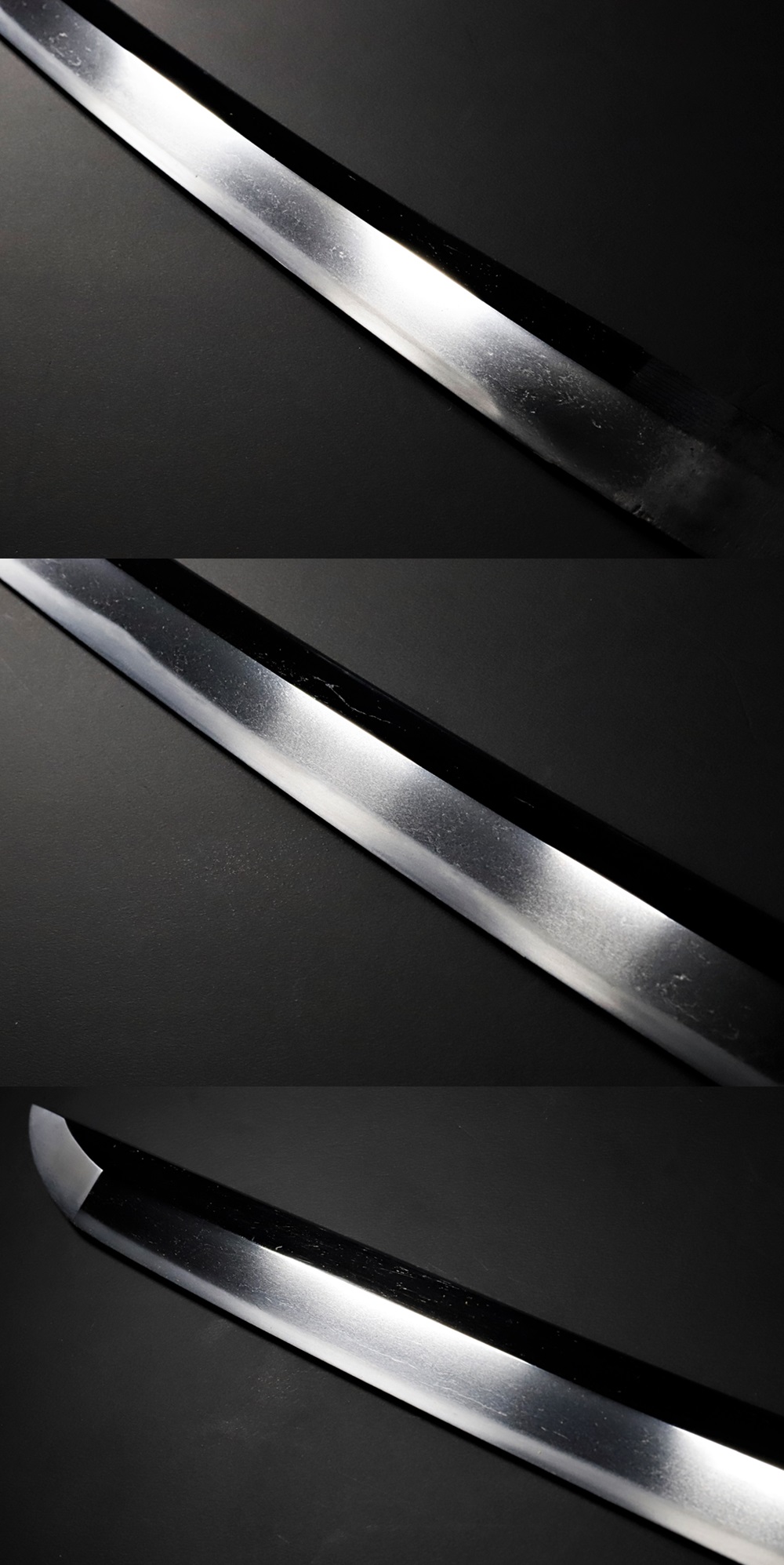
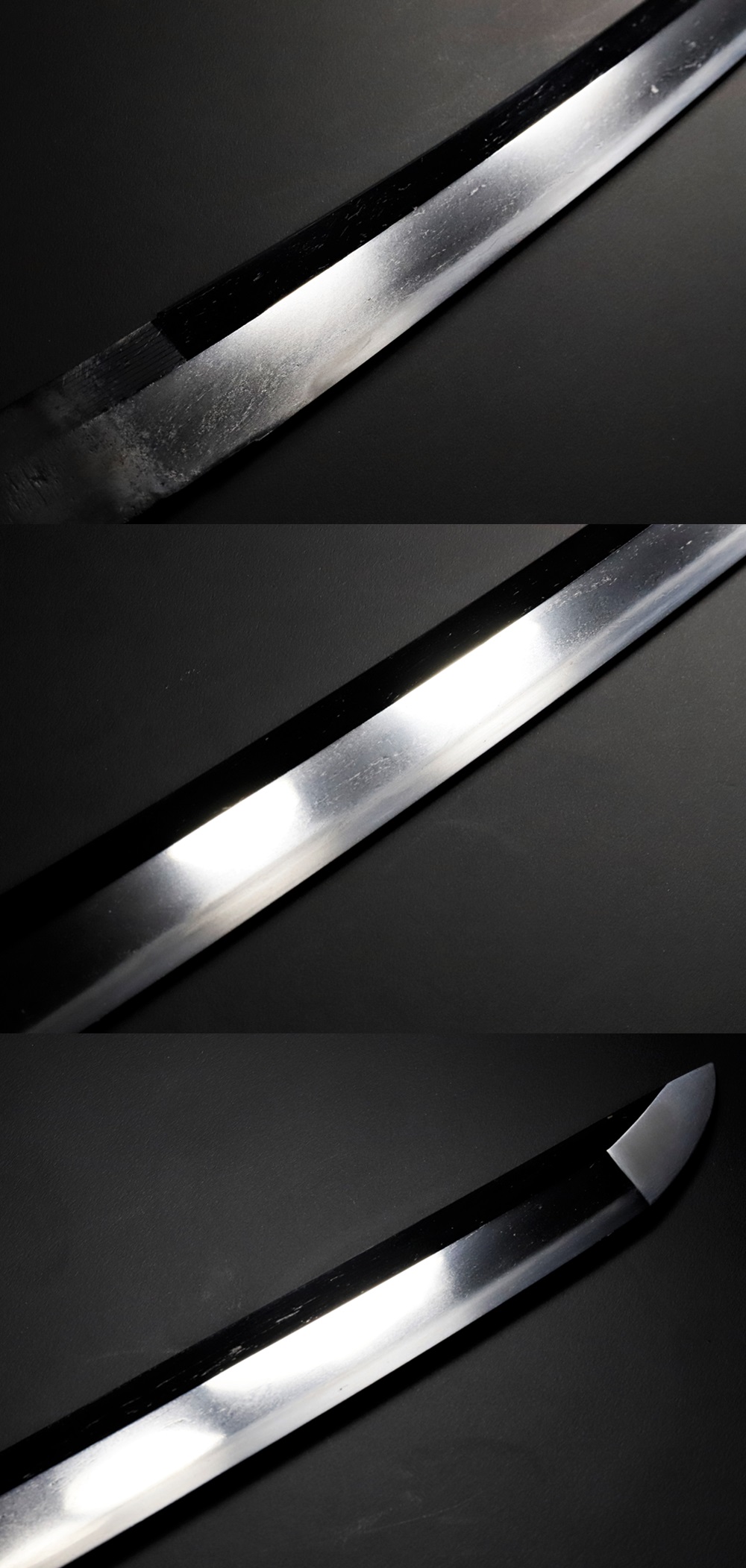
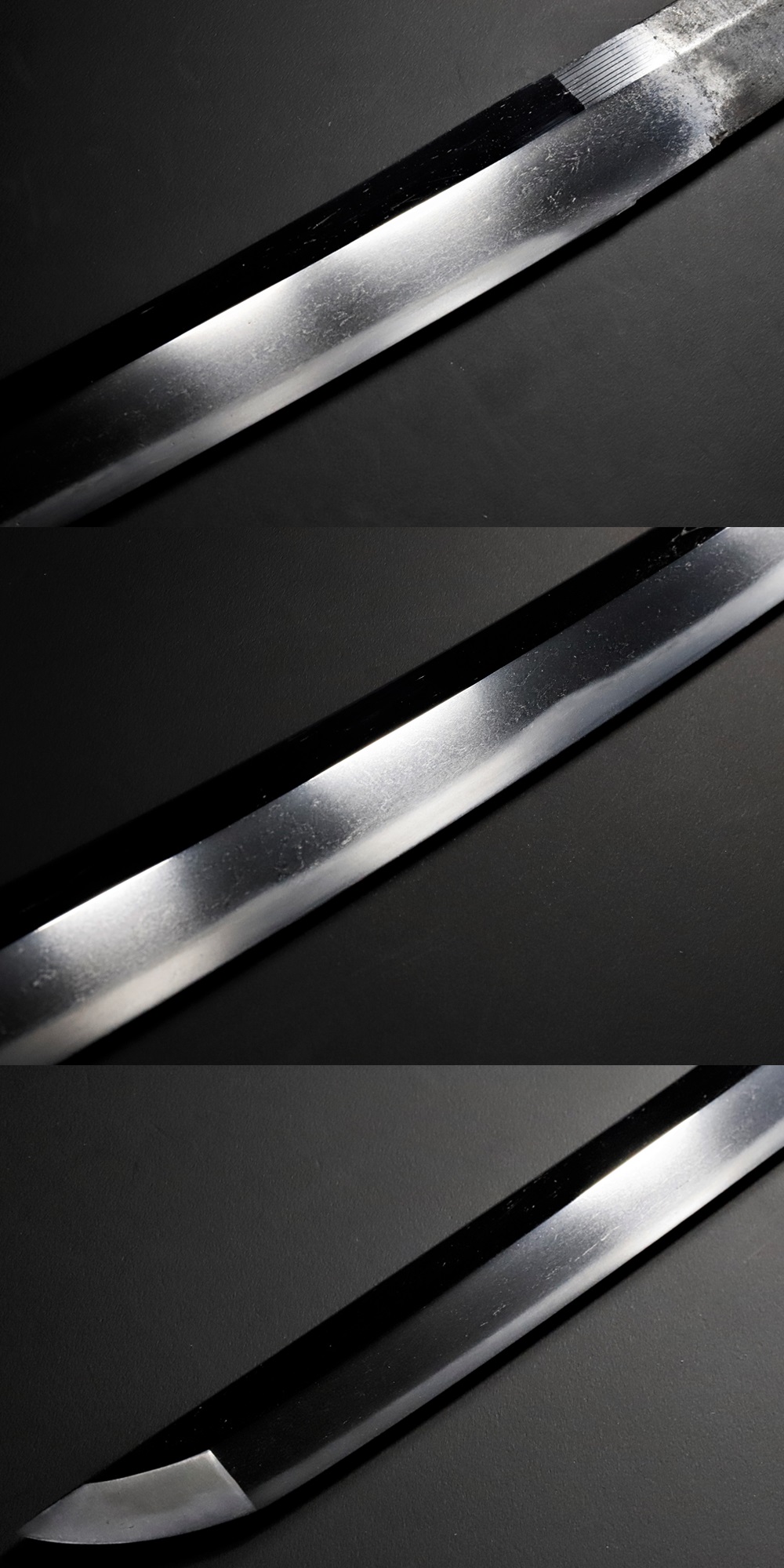
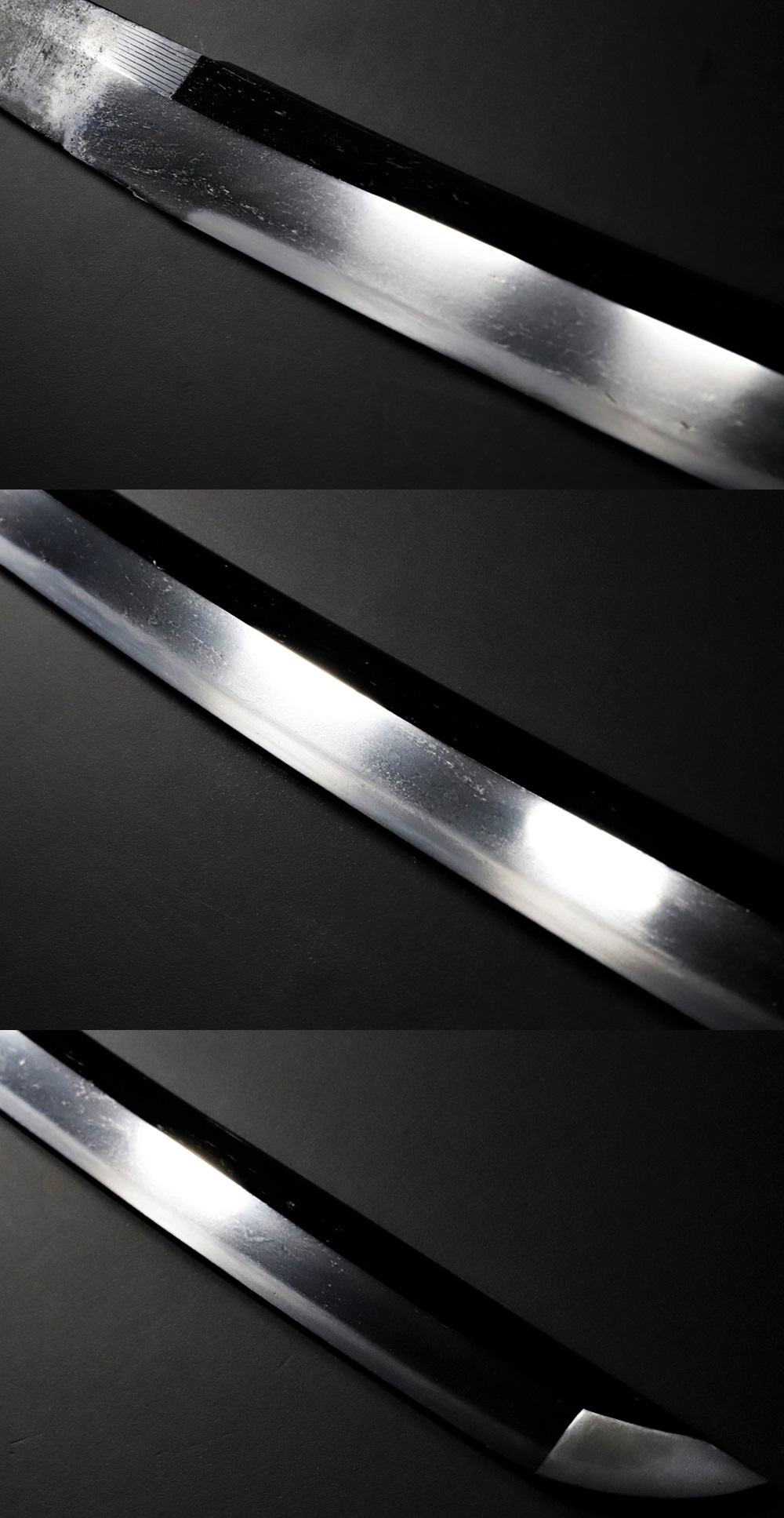
| Jihada (Metal pattern) | Itame-hada well-knit, with ji-nie. |
| Hamon (Temper line) | Suguha with slight variations, showing nijuba, kuichigai, and kinsuji. |
| Bōshi (Point / Tip) | Slightly irregular and turns back. |
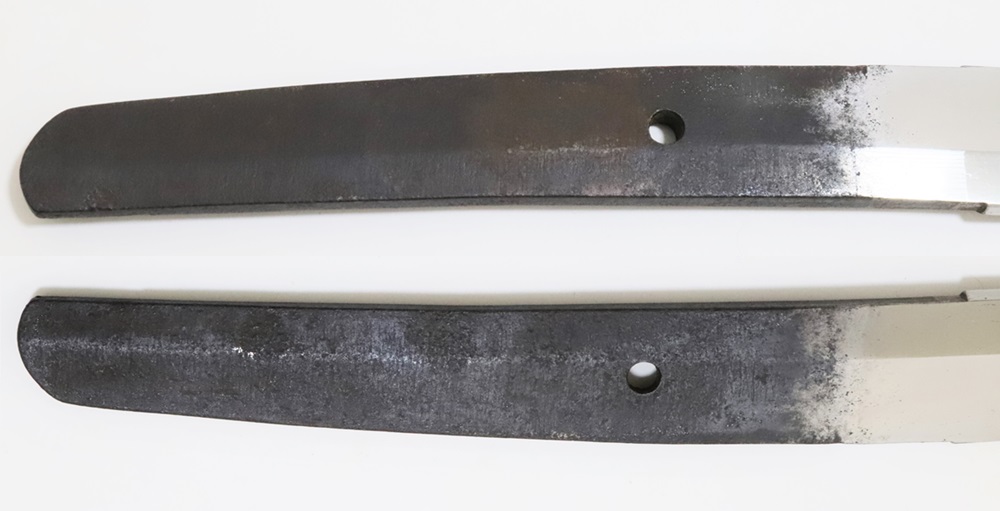
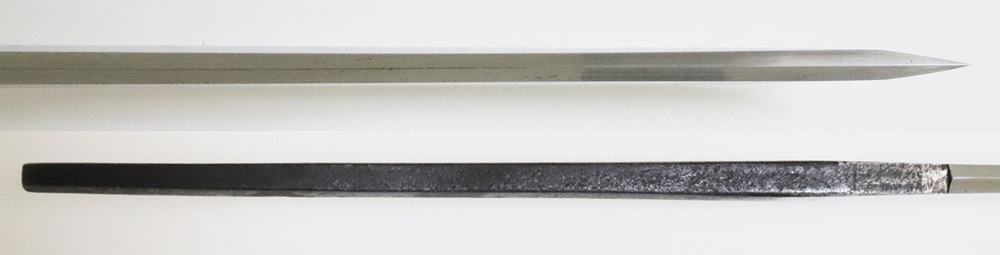
| Nakago (Tang) | Ubu, mumei, currently with kiri-yasurime, and a slightly ha-agari kurijiri nakago-jiri. |
| Mekugiana (Rivet holes) | 1 |
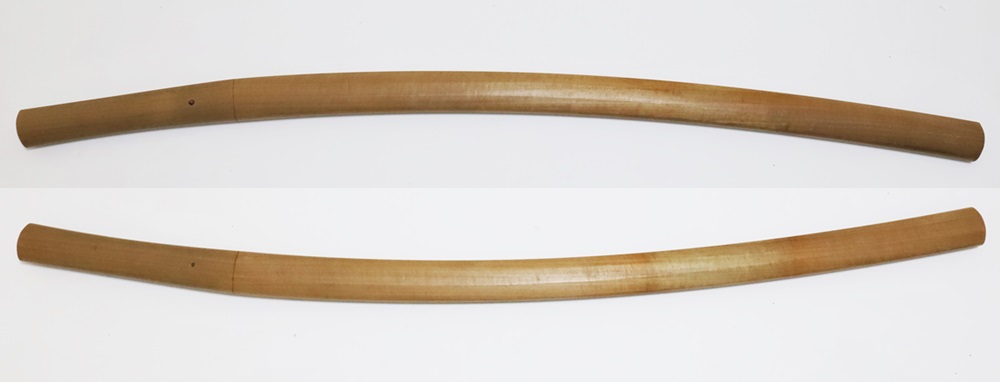
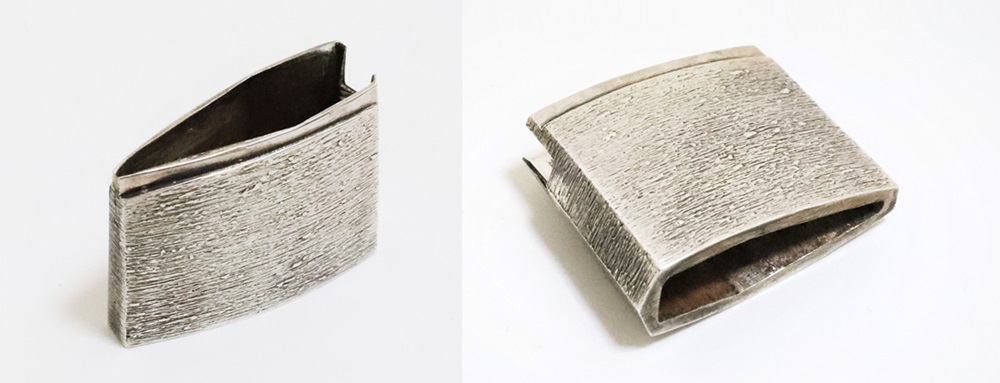
| Habaki | Solid silver habaki with horizontal file marks and a stepped-down finish at the kaisaki. |
Price |
SOLD |
| The Uda school was a group of swordsmiths founded by Kunimitsu, who is said to have moved from Uda in Yamato Province to Etchu Province. The school flourished from the Nanbokucho period through the Muromachi period. Its workmanship is based on the Yamato tradition and is often characterized by itame-hada with flowing masame and the darkish steel typical of swords made in the Hokuriku region. This blade is shinogi-zukuri with an iori-mune and pronounced saki-zori. The jigane is a well-knit itame-hada covered with fine ji-nie. The hamon is based on suguha with slight variations, showing nijuba, kuichigai, and kinsuji, reflecting the Yamato character associated with the Uda school. The nakago is probably ubu. Differences in the patina suggest that the nakago may originally have borne a signature that was later removed, leaving the blade mumei. It was attributed to the Uda school and passed the Hozon Token shinsa in 2024. |

 Search