| Product No. KA-0864 仙台白龍子藤原永繁 | |
|---|---|
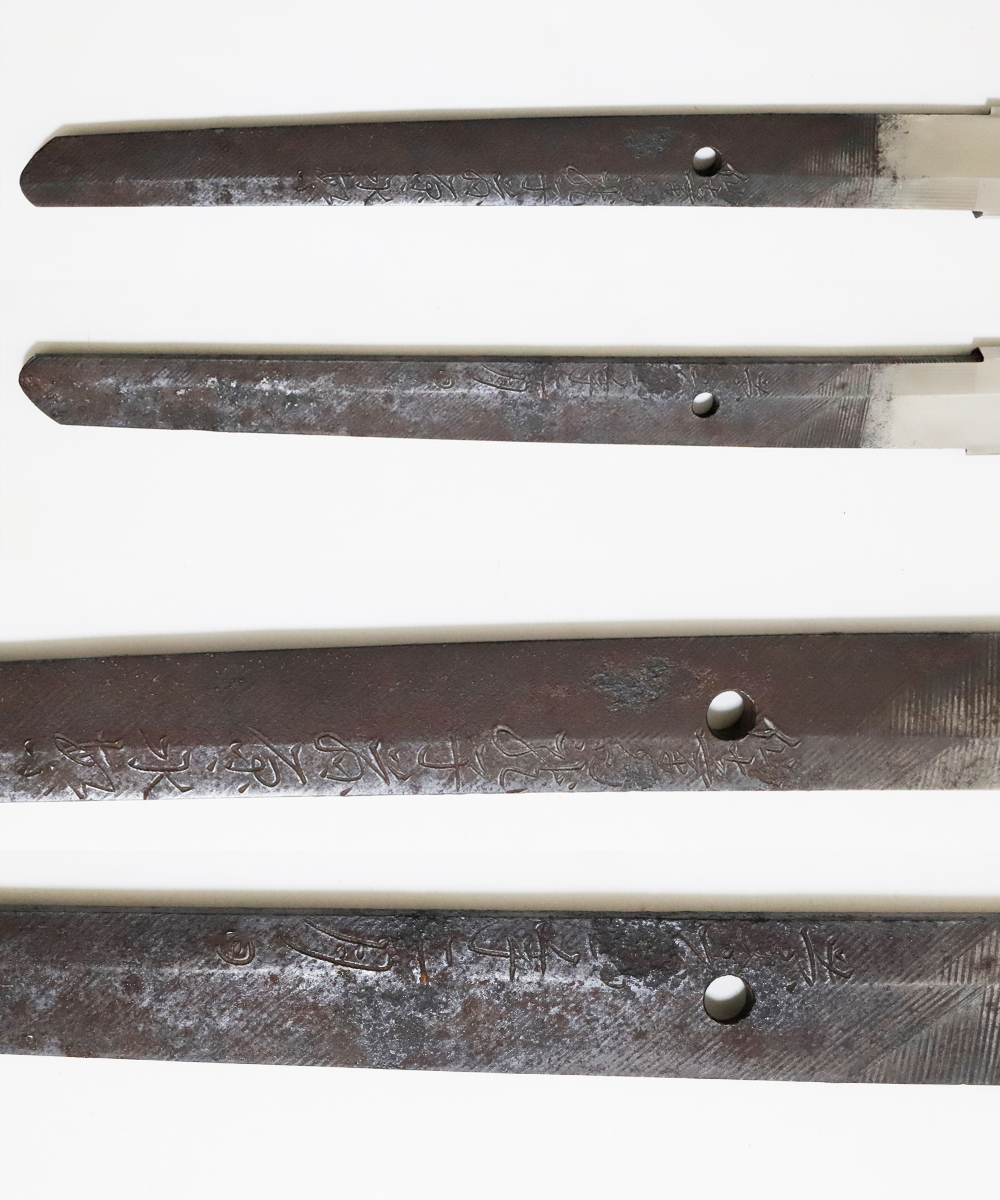
| Mei |
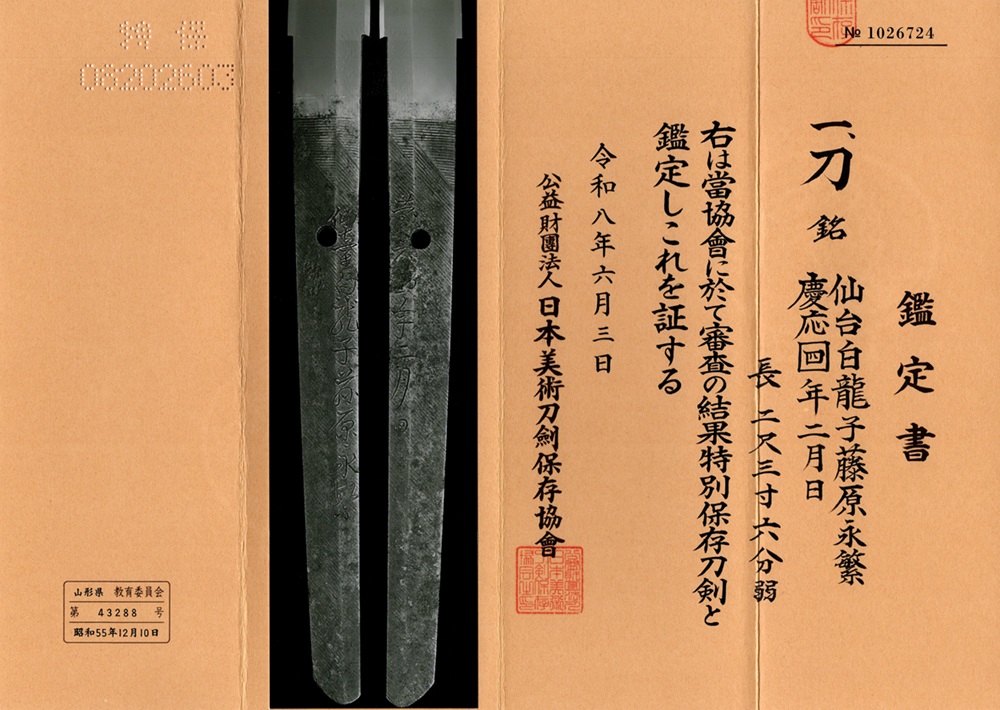
Hakuryushi Fujiwara Nagashige, Sendai Back: On a Day in February, Keio 4 (1868) |
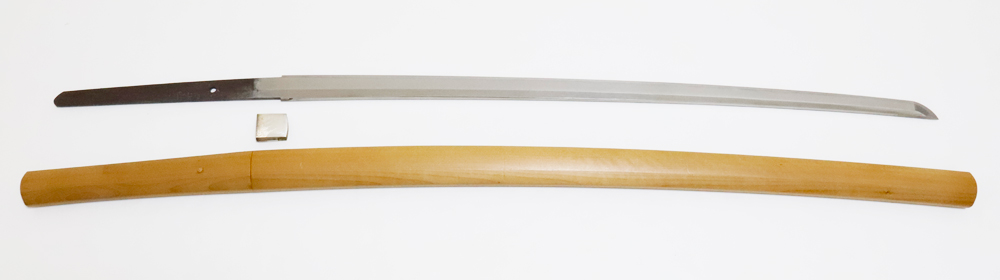
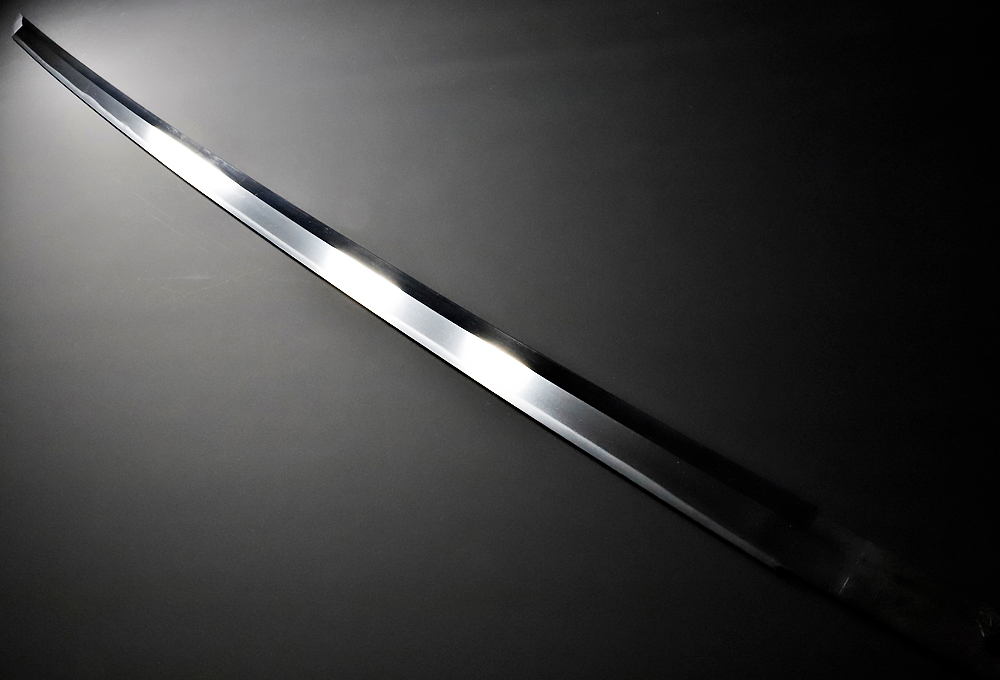
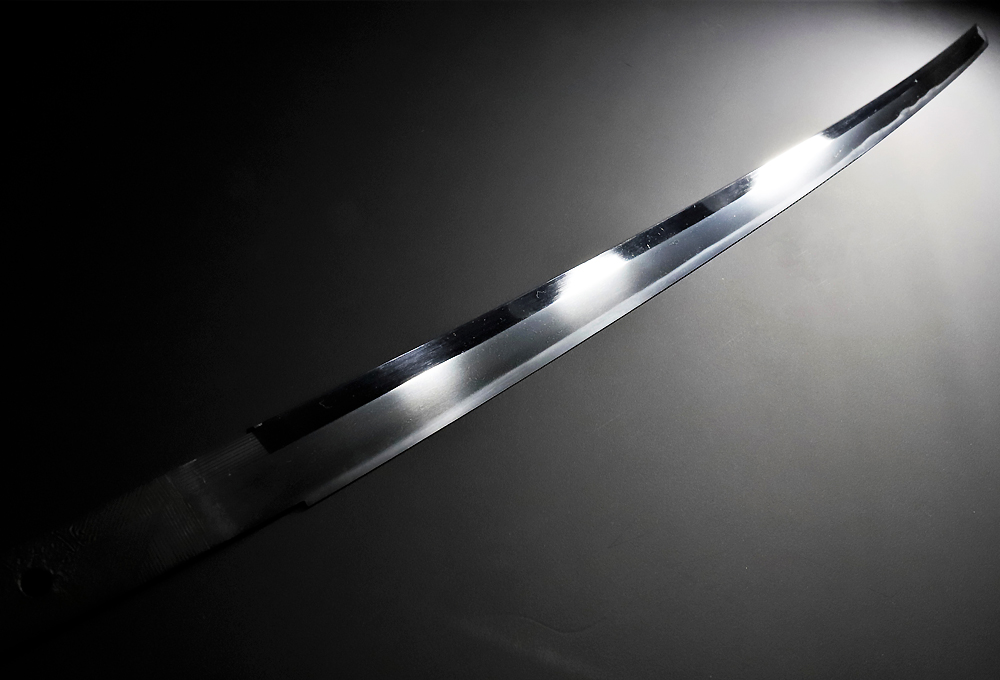
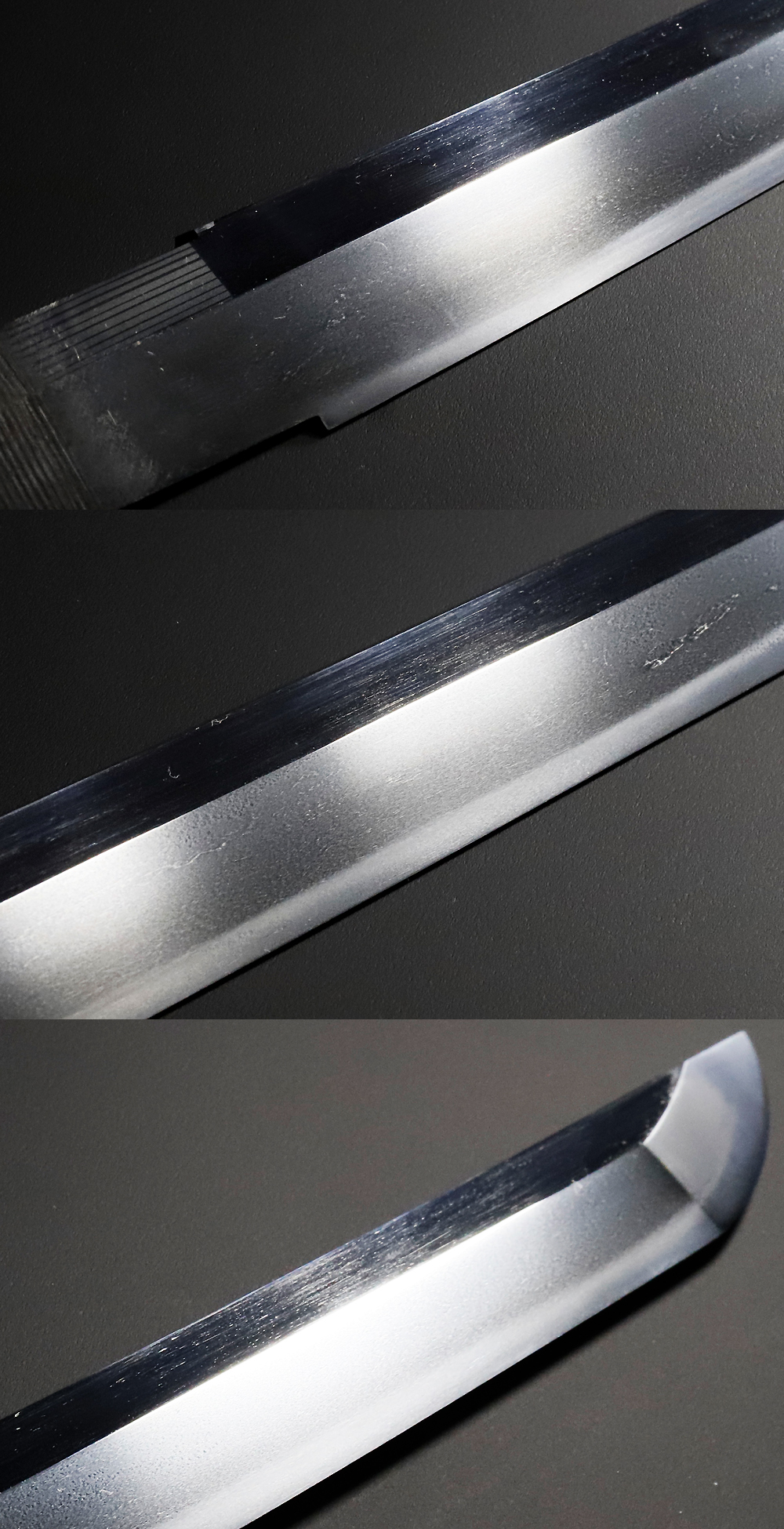
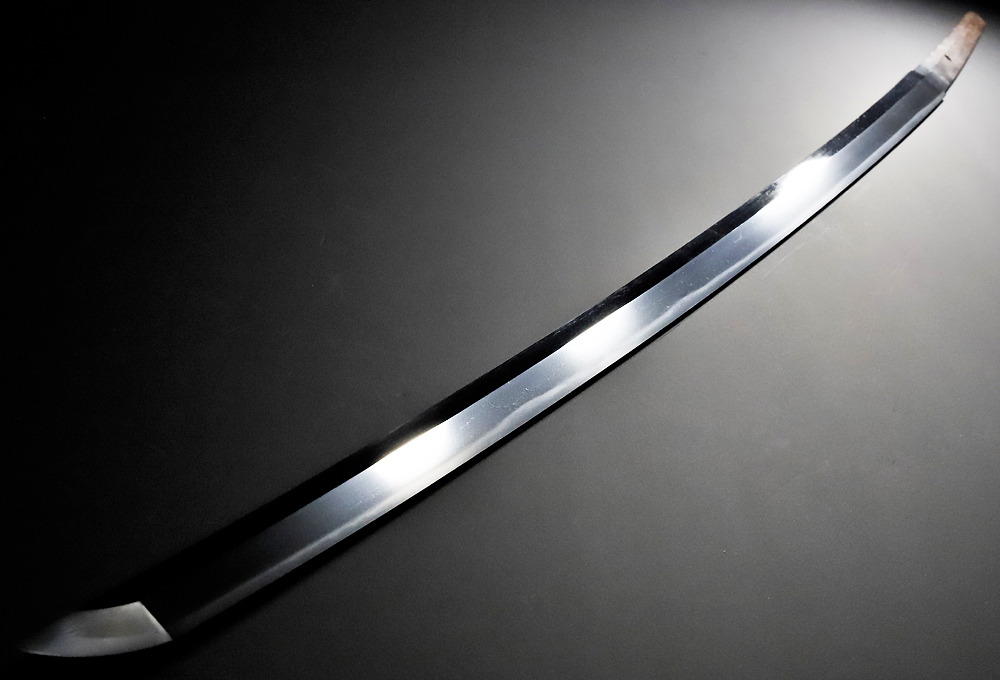
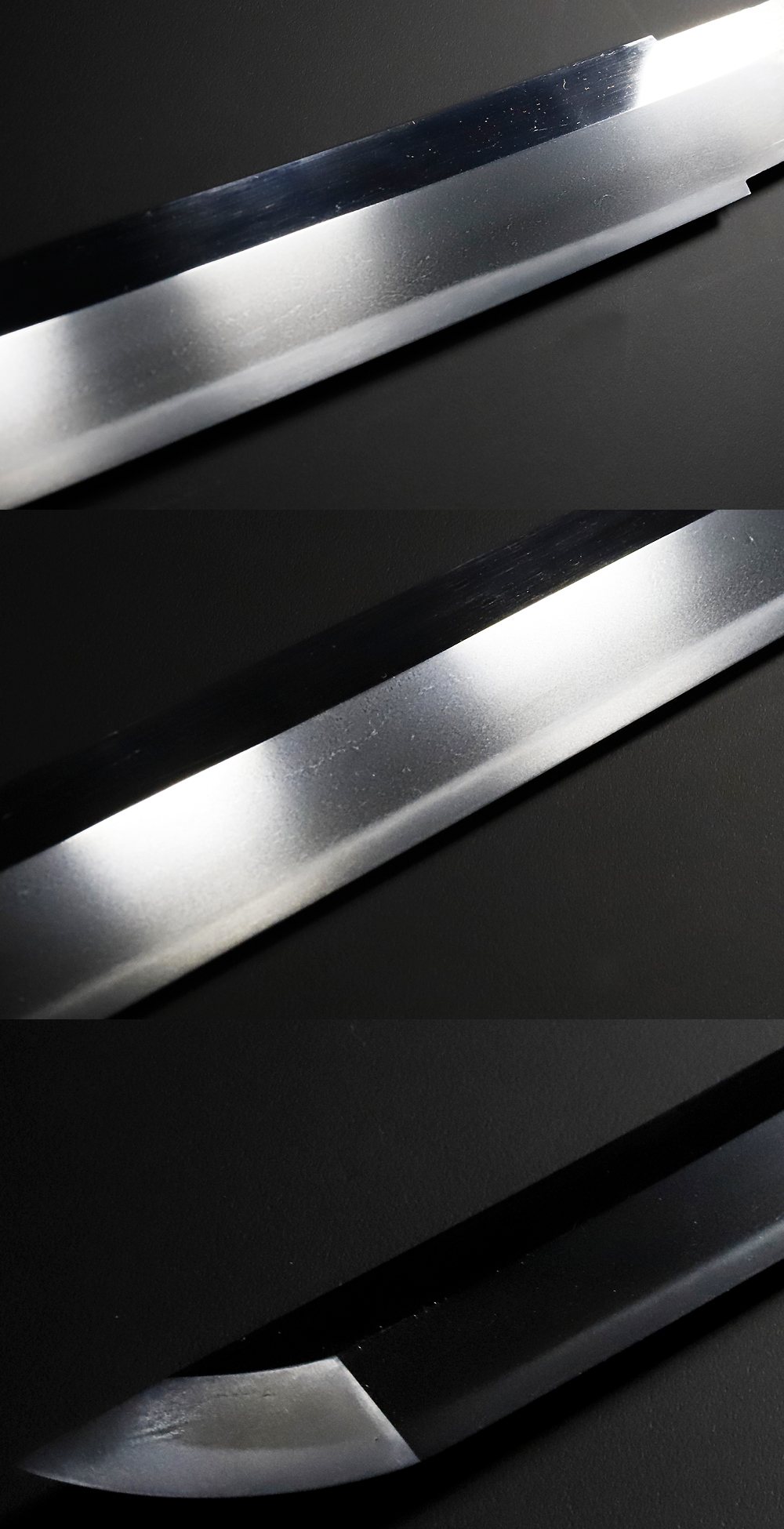
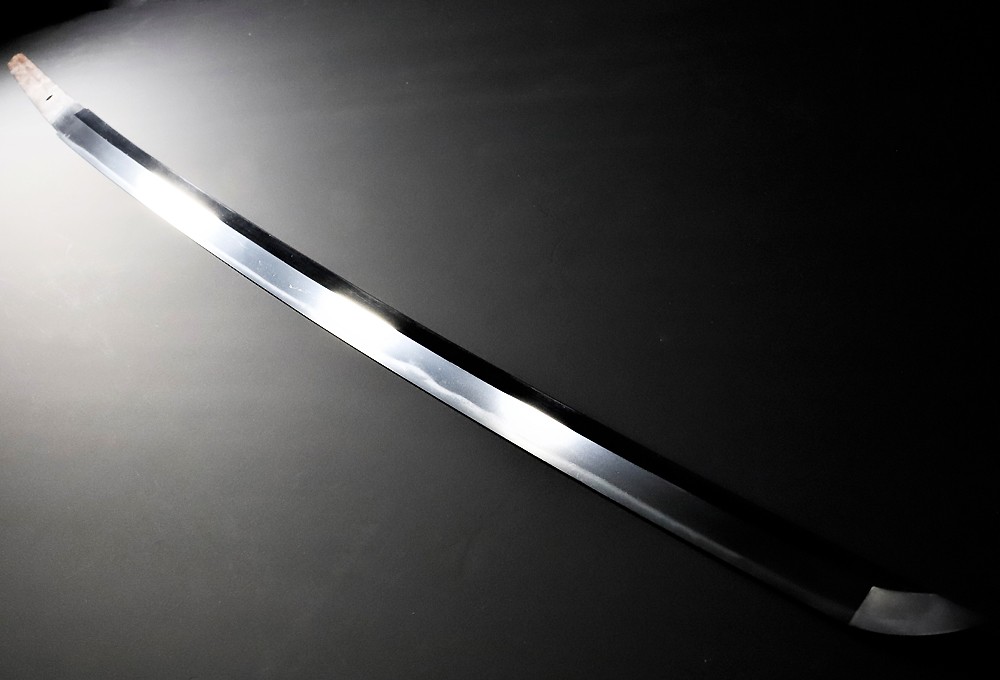
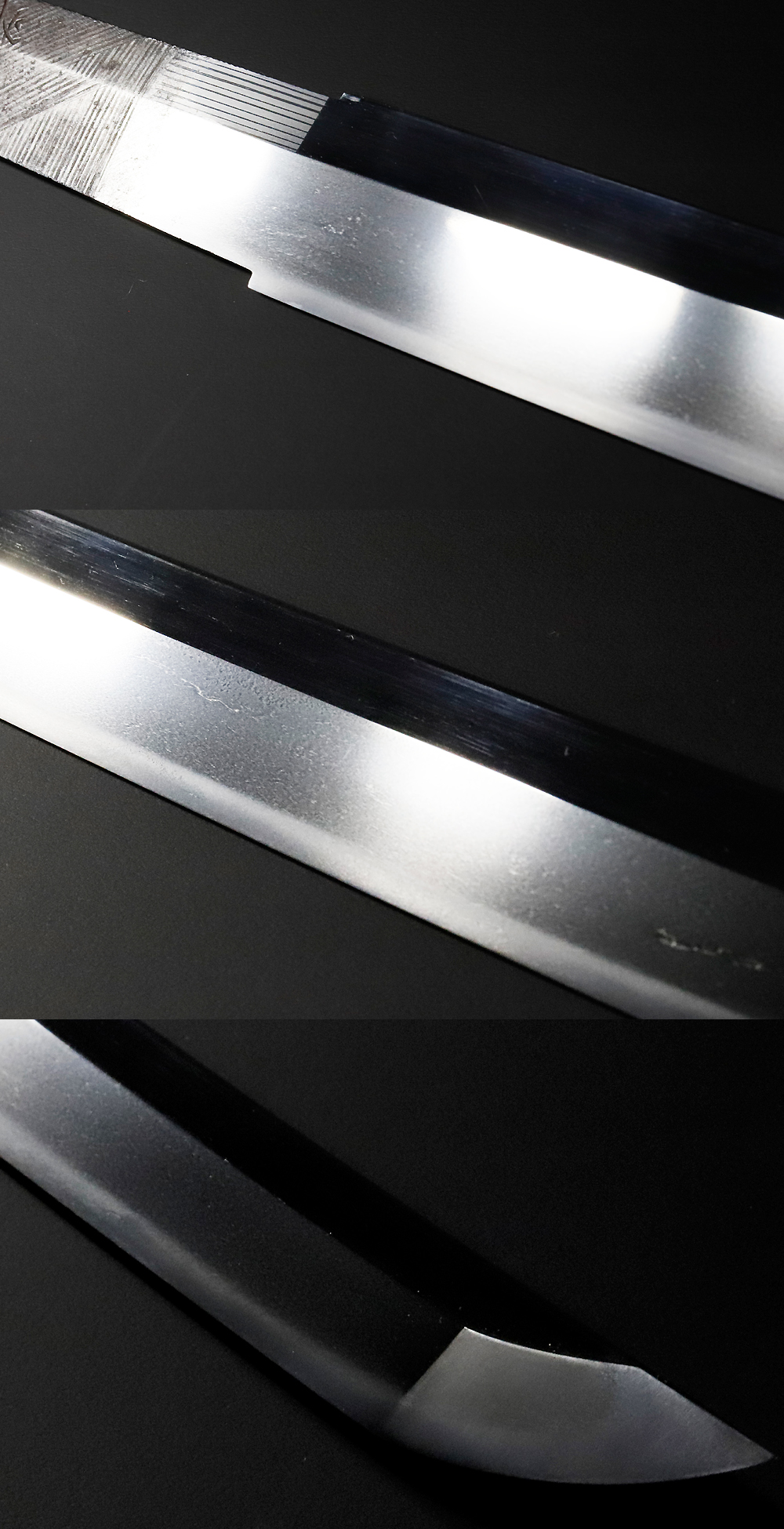
| Shape | Shinogi-zukuri, iori-mune, a relatively small chu-kissaki, with shallow curvature and an elongated, graceful shape. |
| Region | Sendai, Mutsu Province |
| Era | Bakumatsu Period |
| Length |
71.5 cm 28.1 in |
| Sori (curvature) |
1.1 cm 0.4 in |
| Motohaba |
3 cm 1.2 in |
| Sakihaba |
1.9 cm 0.7 in |
| Munekasane |
0.7 cm 0.3 in |
| Status | Tokubetsu Hozon Token |
| Certification Date | June 03, 2026 |
| Registration Authority | Yamagata Prefecture |
| Registration Date | December 10, 1980 |
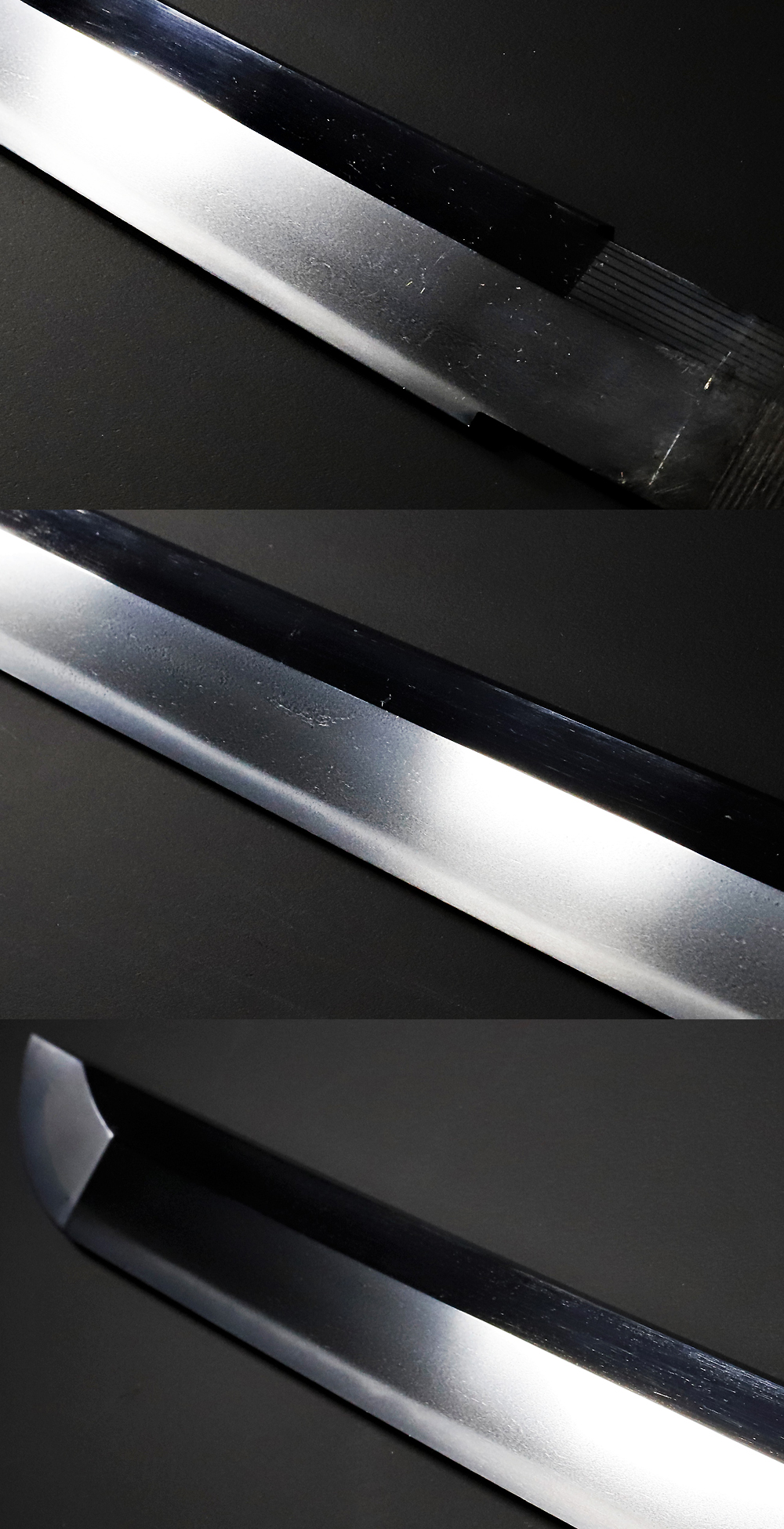
| Jihada (Metal pattern) | Finely forged and tightly packed ko-itame-hada. |
| Hamon (Temper line) | Chu-suguha, with slight irregularities around the monouchi, accompanied by ko-nie and kuichigai. |
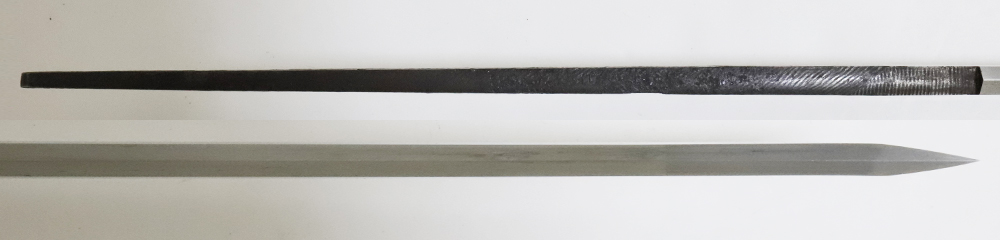
| Bōshi (Point / Tip) | Straight with a small ko-maru and a short turn back. |
| Nakago (Tang) | Ubu, sujikai-yasuri with kesho, ha-agari kurijiri. |
| Mekugiana (Rivet holes) | 1 |
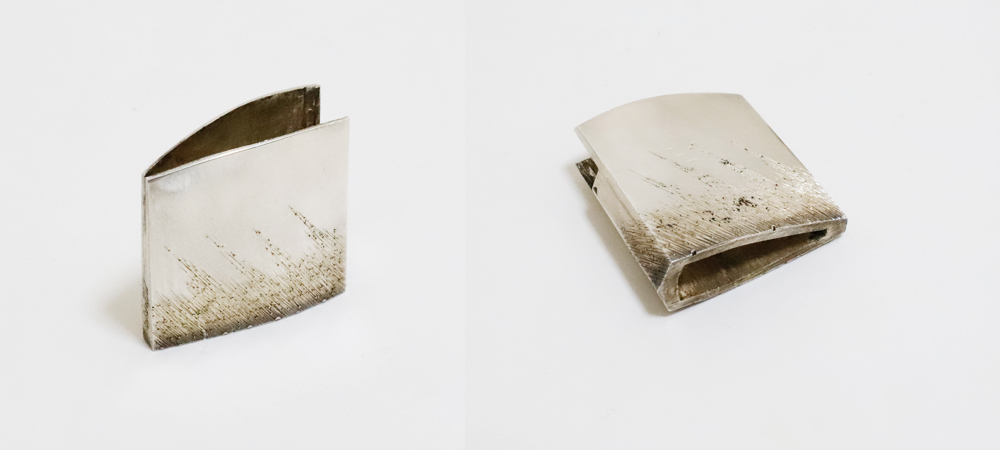
| Habaki | Solid silver habaki with koshi-yujo file marks. |
Price |
650,000 JPY |
| This katana, signed “Hakuryushi Fujiwara Nagashige, resident of Sendai,” is the work of Tashiro Tarota, the eleventh-generation swordsmith of the Sendai Tashiro Nagashige family, whose history dates back to the early Edo period. He was the last master of this long-established family of swordsmiths. Nagashige was born in Tenpo 4 (1833) and passed away in Taisho 10 (1922). He was the son of Nagatoshi, the tenth-generation master, and used the art name Hakuryushi. The founder of the Tashiro Nagashige family was Tashiro Kuemon Nagatoshi, a native of Mino Province who studied under Kiyonobu. He moved to Sendai around the Keicho era (1596–1615), and the family continued for eleven generations until the Meiji period. This katana was made in Keio 4 (1868), when Nagashige was 55 years old and at the height of his maturity as a swordsmith. The blade has a finely forged ko-itame-hada. The hamon is chu-suguha, showing slight irregularities around the monouchi, with ko-nie and several kuichigai. The blade retains its original nakago and has an elongated, graceful shape with a relatively small chu-kissaki. This katana passed the Tokubetsu Hozon Token shinsa in 2026. |


 Search