| Product No. KA-0853 摂州住藤原貞次(伊賀守) | |
|---|---|
| Mei |
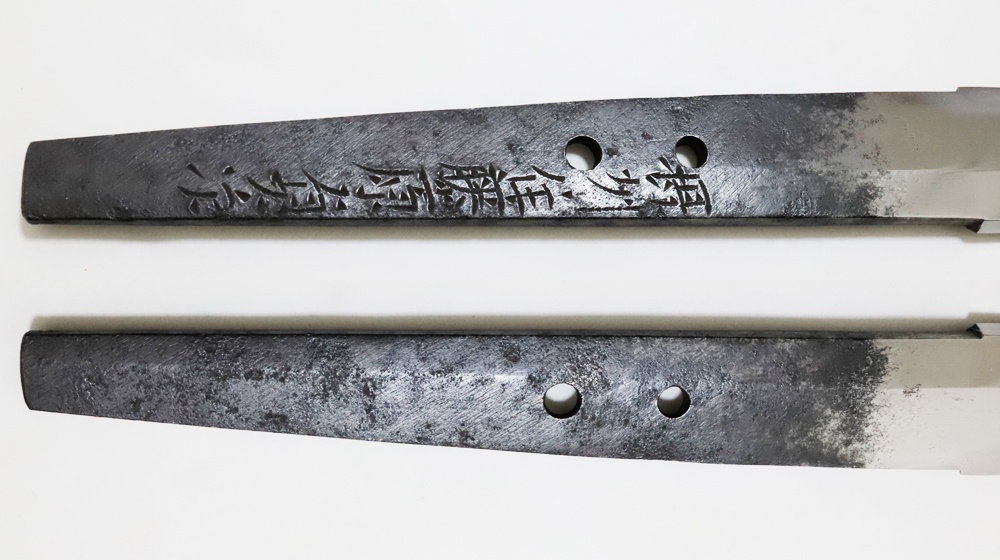
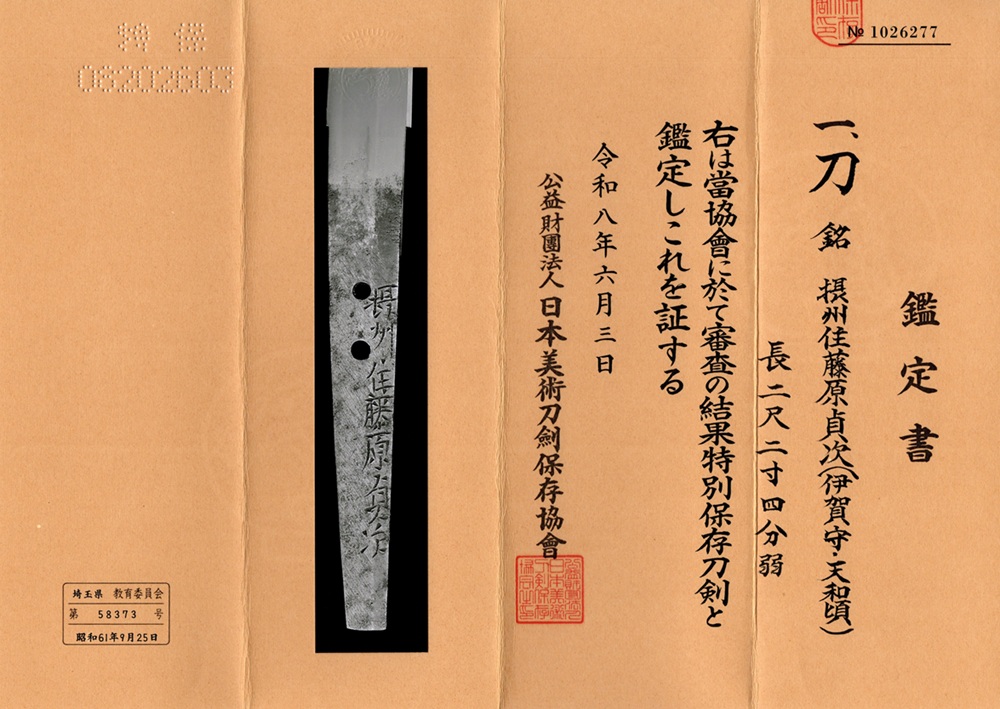
Sesshu-ju Fujiwara Sadatsugu (Iga no Kami) Back: -- |
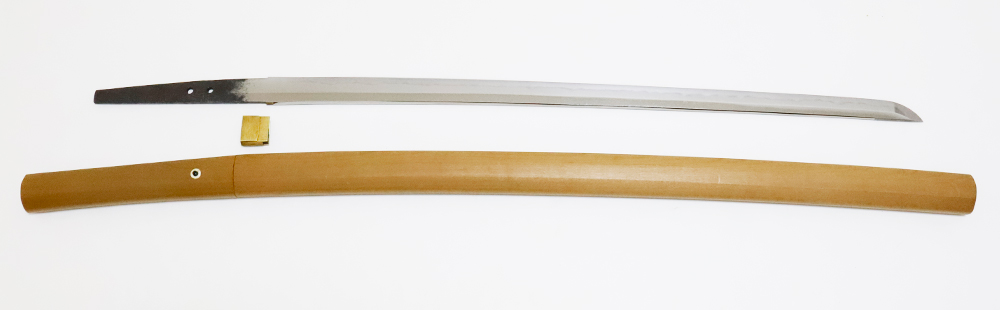
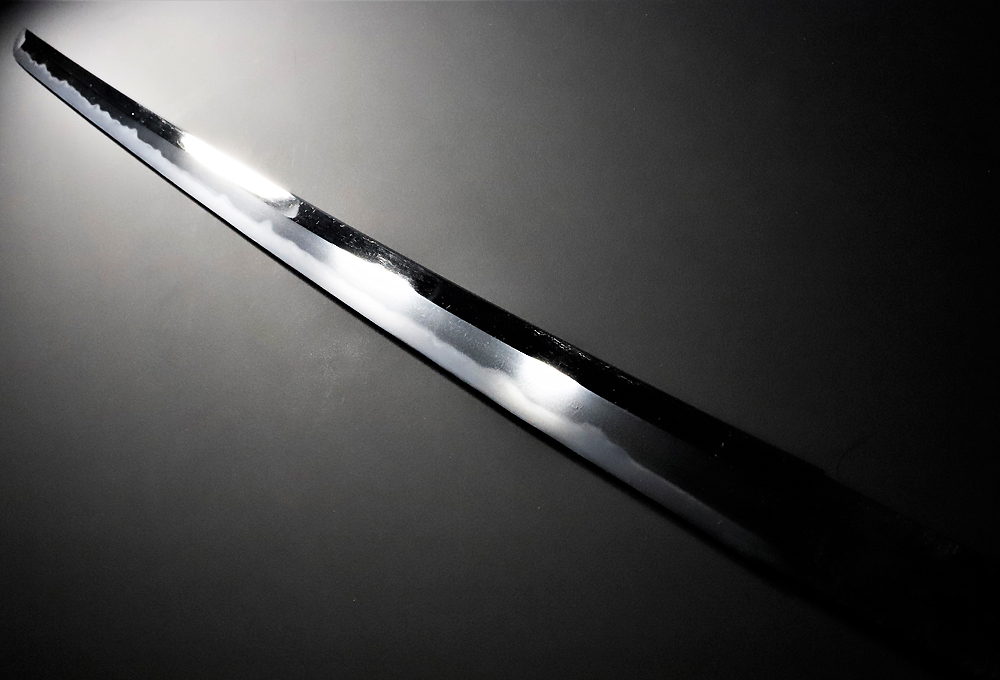
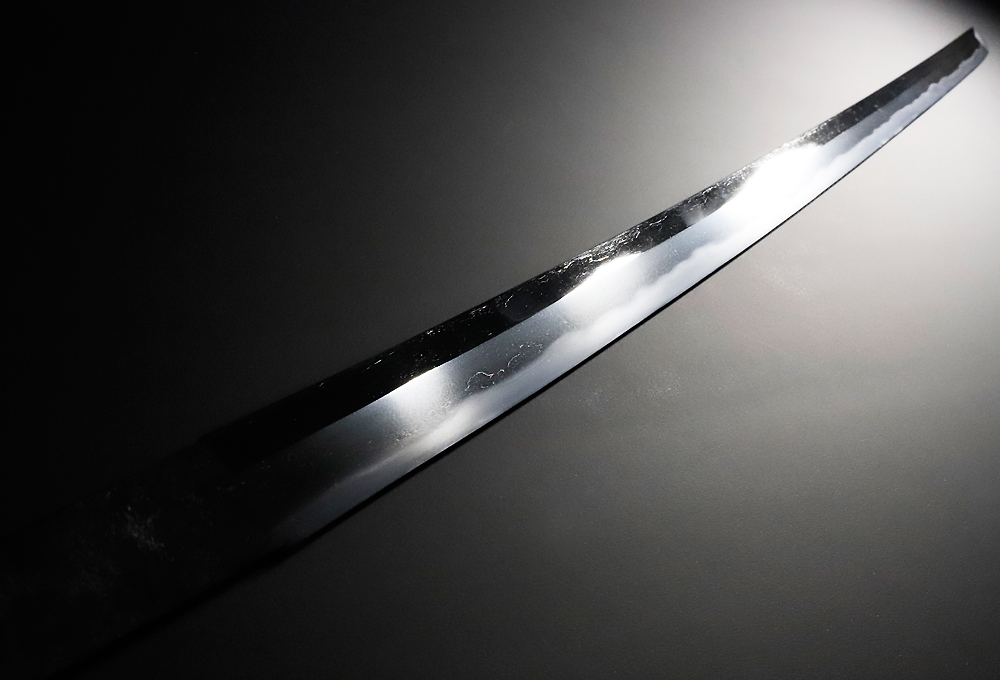
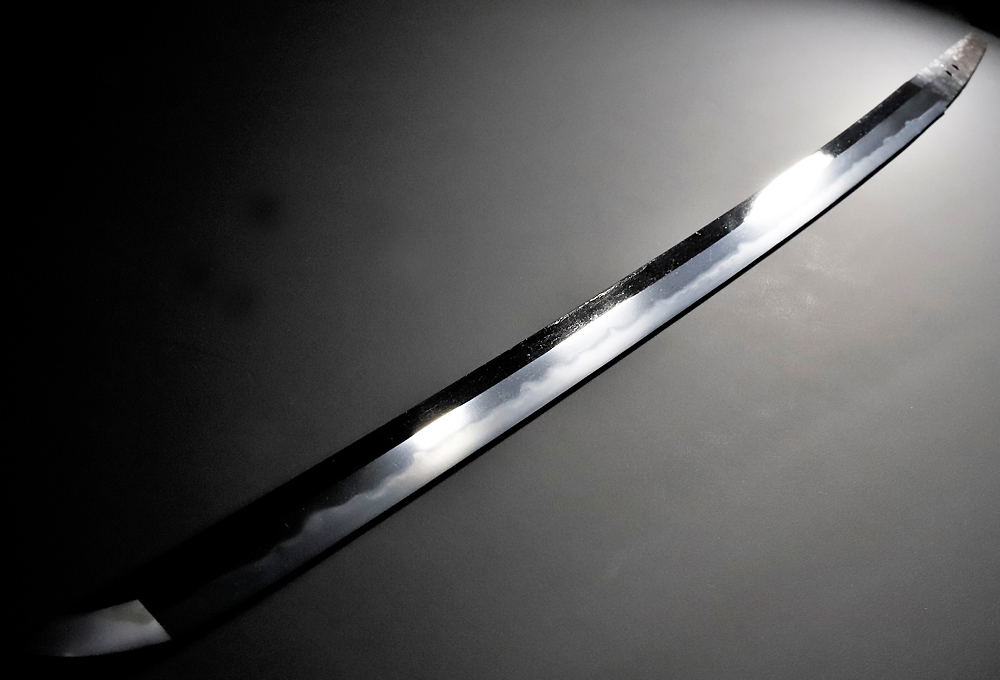
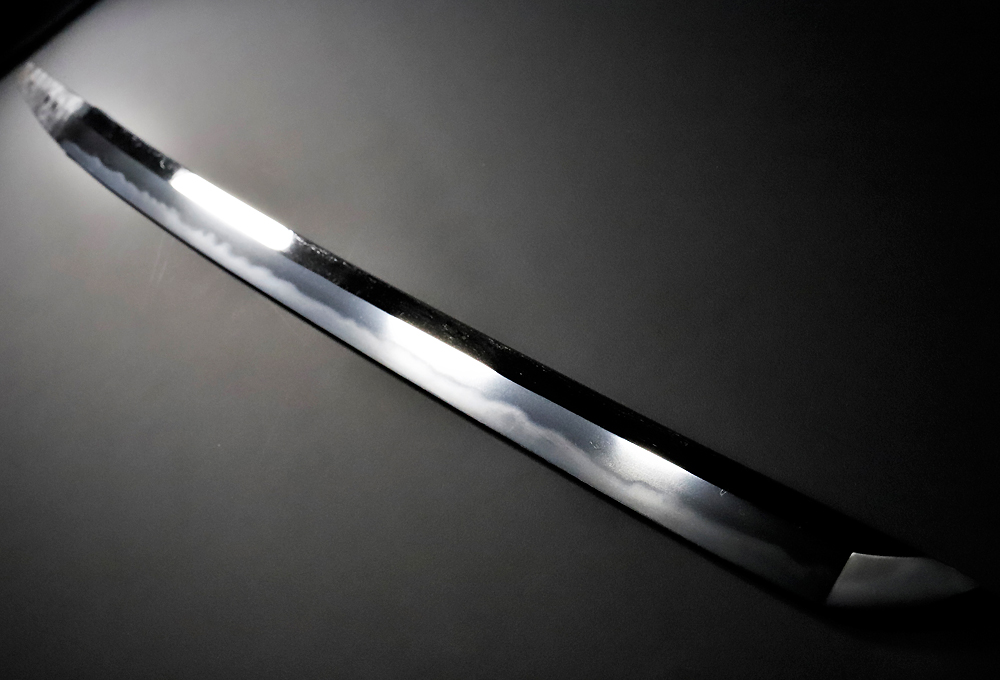
| Shape | Shinogi-zukuri, iori-mune, chu-kissaki. Moderate mihaba with thick kasane and shallow sori, displaying the characteristic Kanbun-shinto sugata. |
| Region | Settsu Province |
| Era | Early Edo Period(around Enpo to Tenna eras 1673–1684) |
| Length |
67.8 cm 26.7 in |
| Sori (curvature) |
0.6 cm 0.2 in |
| Motohaba |
3.1 cm 1.2 in |
| Sakihaba |
2.1 cm 0.8 in |
| Munekasane |
0.7 cm 0.3 in |
| Status | Tokubetsu Hozon Token |
| Certification Date | June 3, 2026 |
| Registration Authority | Saitama Prefecture |
| Registration Date | September 25, 1986 |
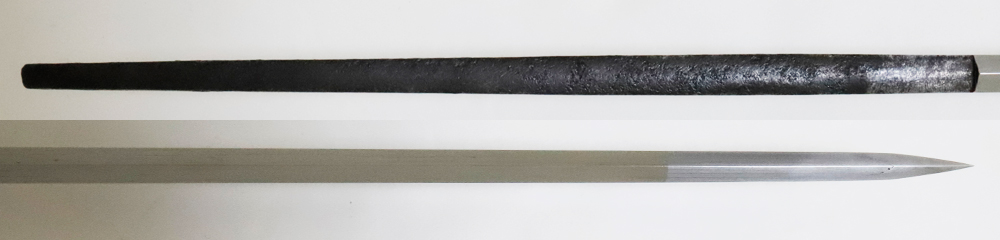
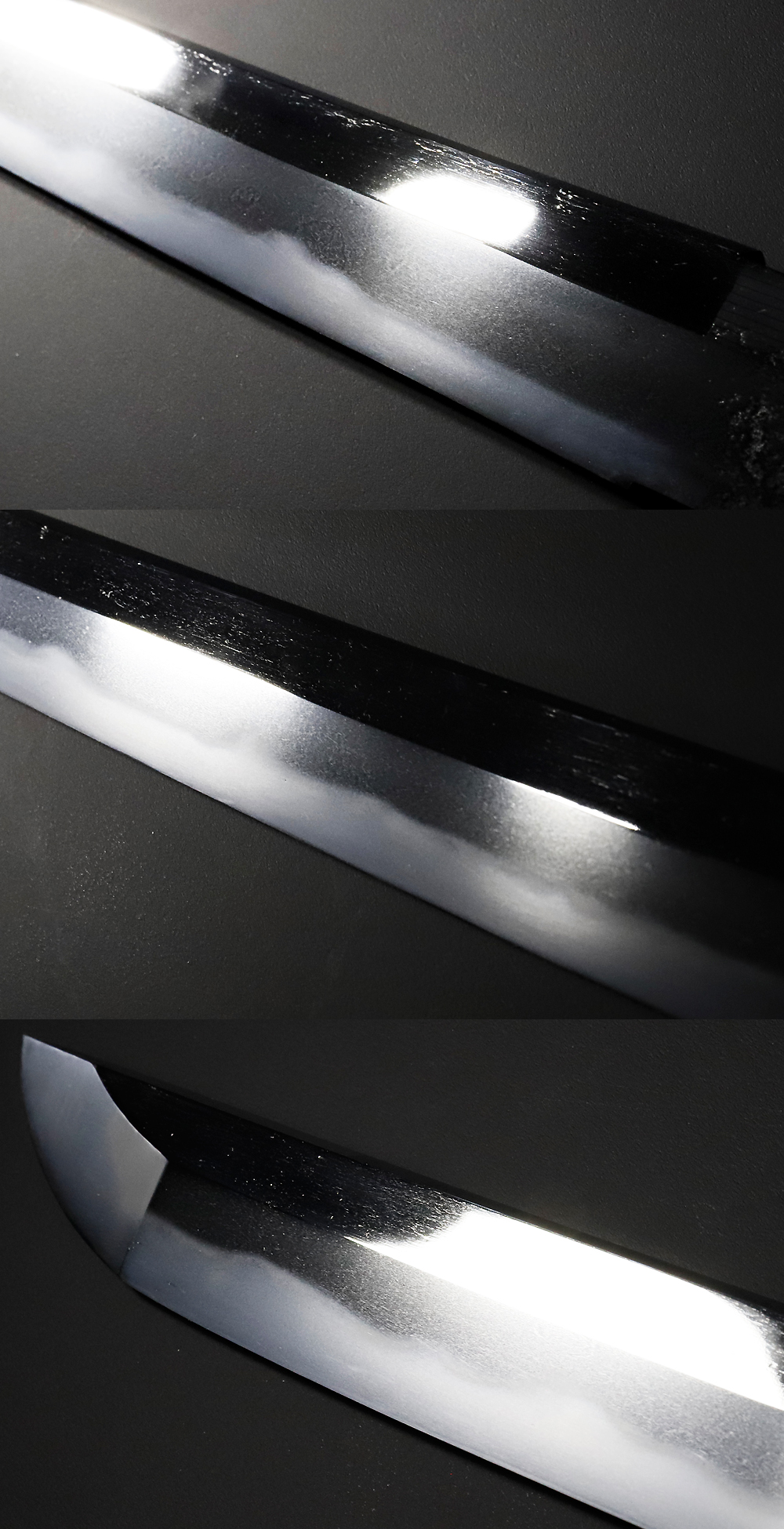
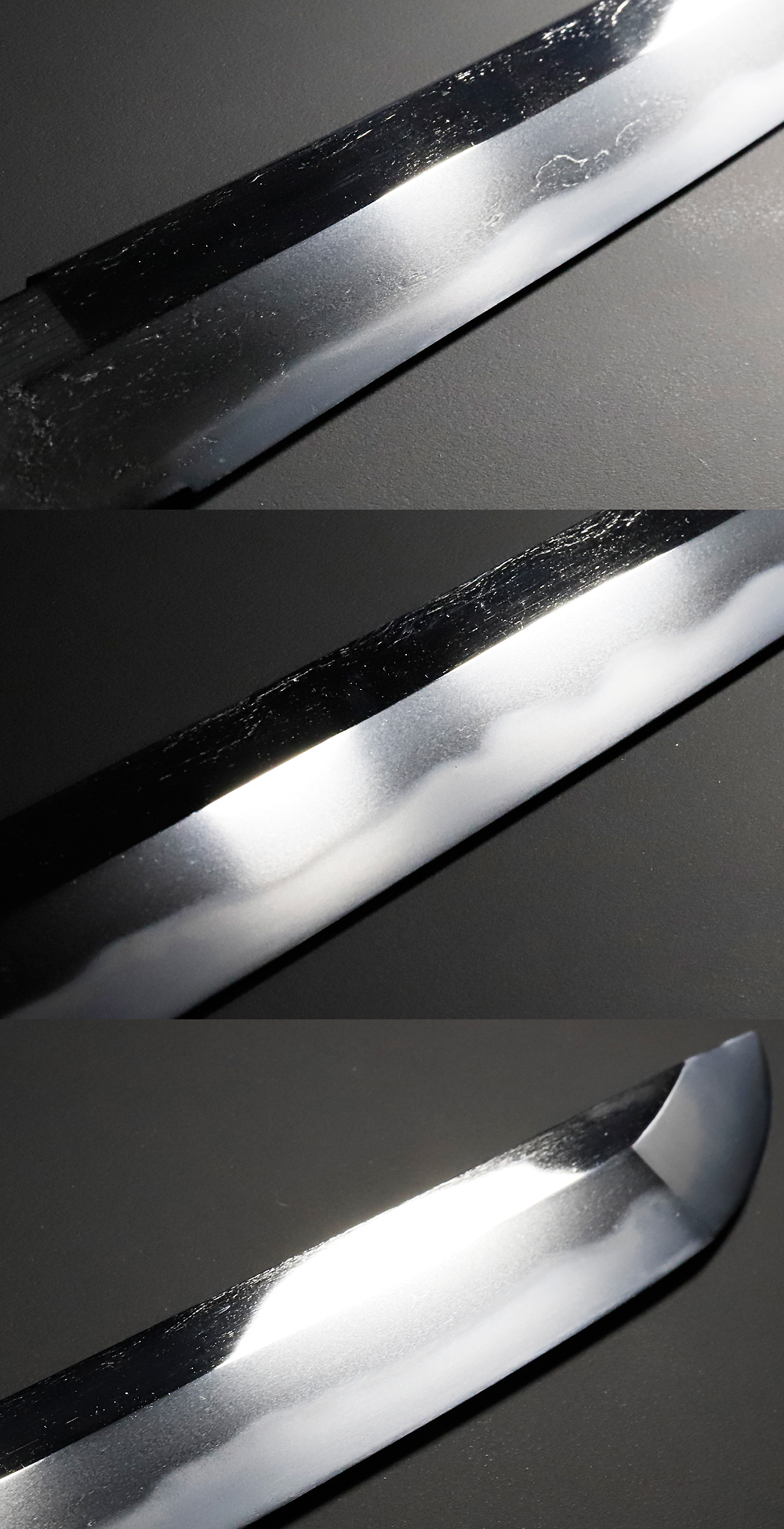
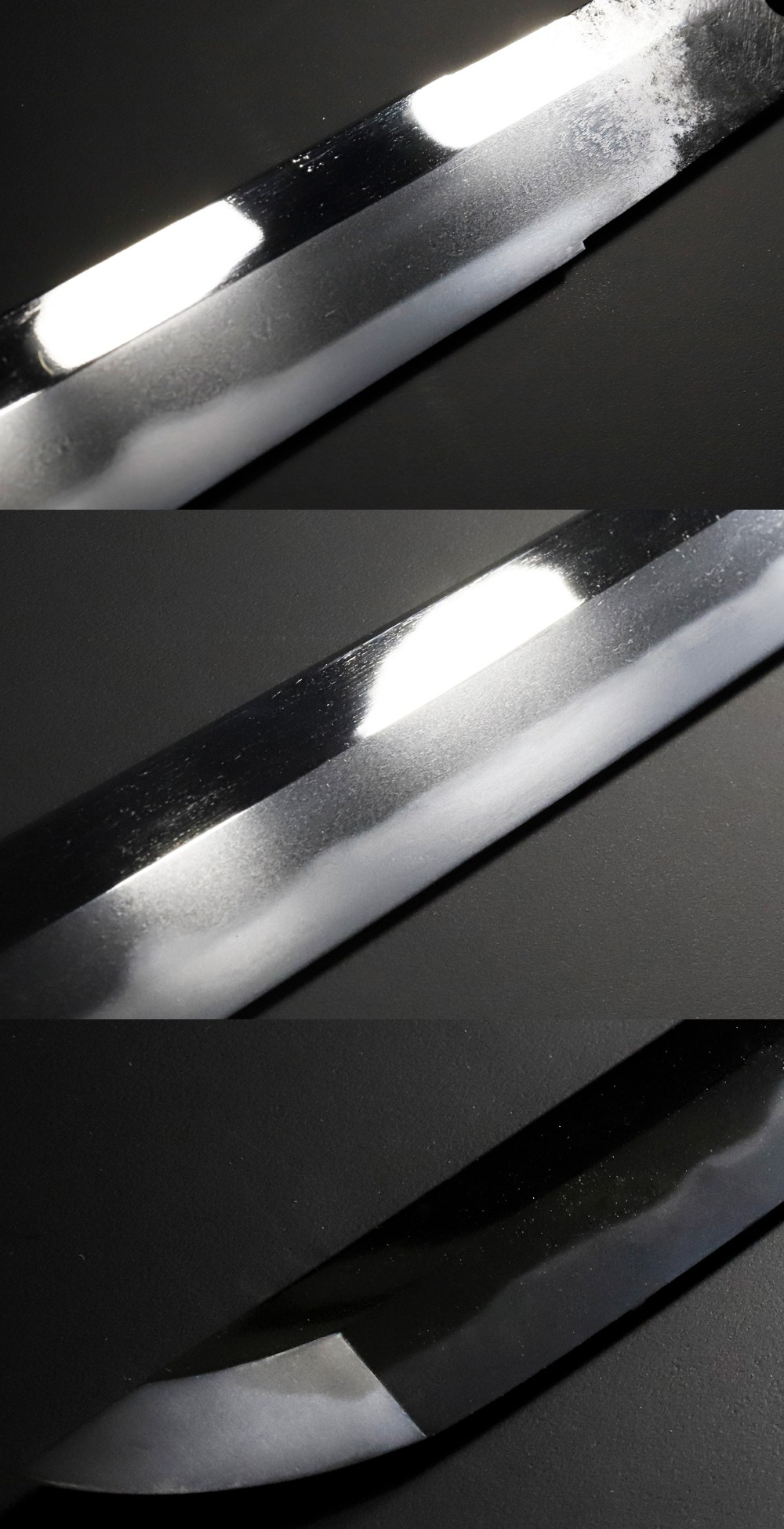
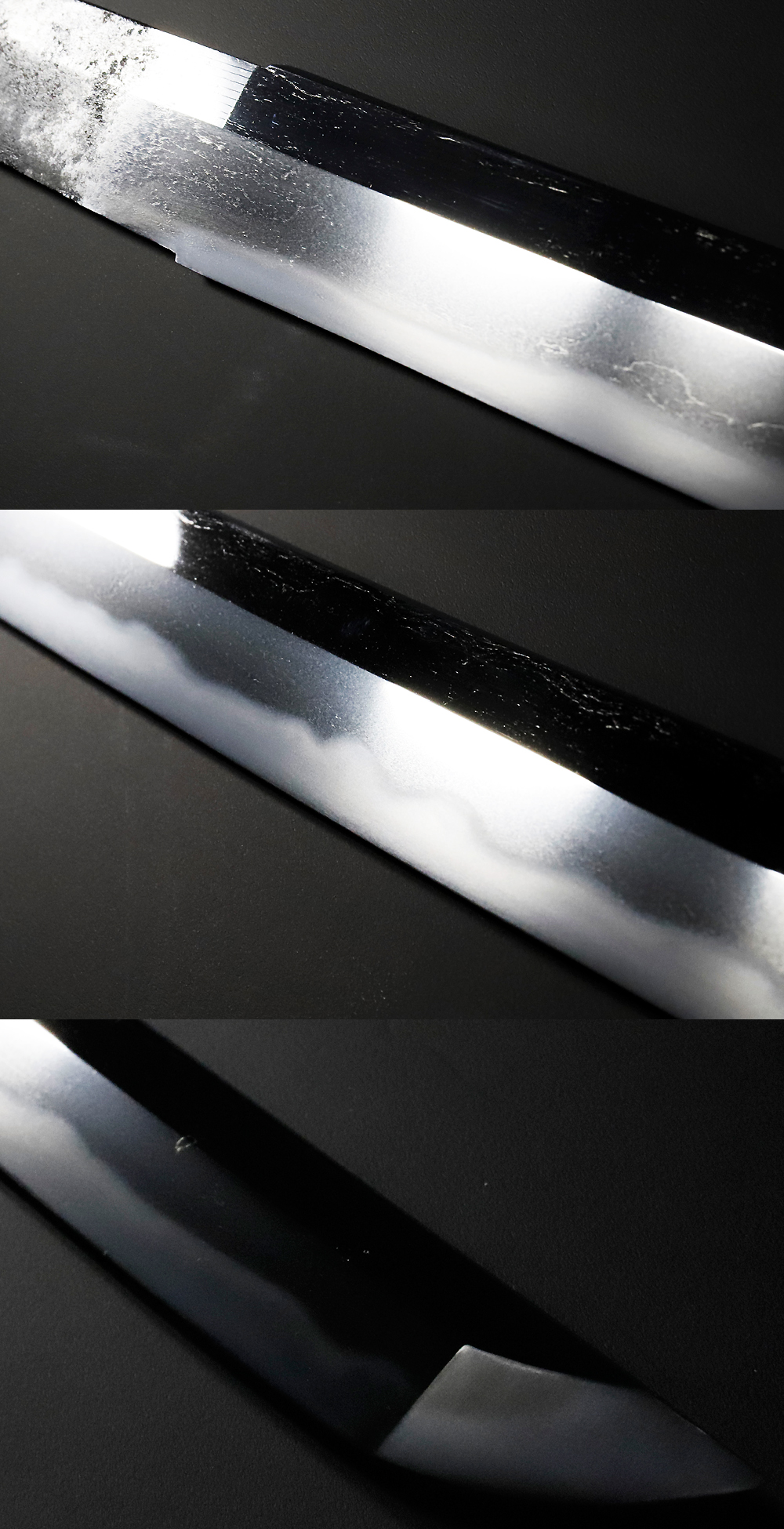
| Jihada (Metal pattern) | Fine ko-itame, tightly forged and refined. |
| Hamon (Temper line) | Based on suguha with shallow notare, mixed with ko-gunome. Ko-ashi and yo work along the habuchi, creating fine variations, and the nioiguchi is bright and clear. |
| Bōshi (Point / Tip) | Nearly straight with a slight notare tendency, ending in a small kaeri. |
| Nakago (Tang) | Suriage, o-sujikai yasurime. |
| Mekugiana (Rivet holes) | 2 |
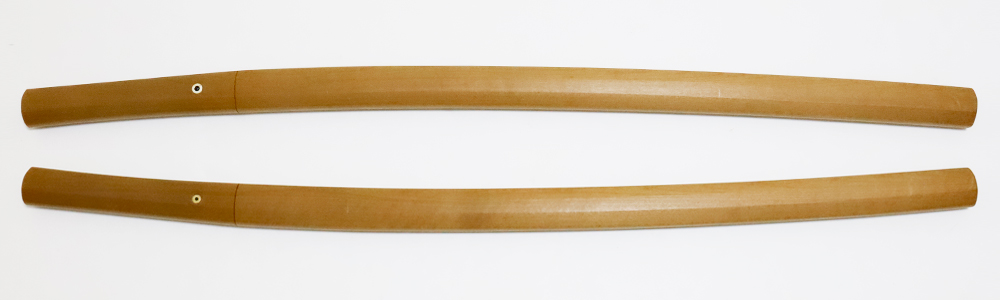
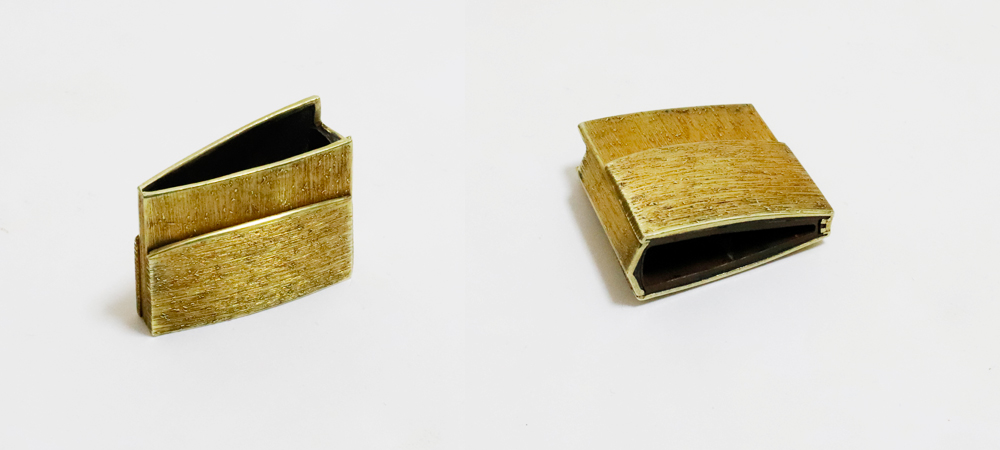
| Habaki | Two-part copper habaki covered with gold foil, with full-file finish. |
Price |
450,000 JPY |
| Sadatsugu, whose personal name was Suzuki Jinjinuemon, was originally from Higo Province and was the younger brother of Suzuki Kaga no Kami Sadanori. Like his elder brother, he moved to Osaka and studied under Inoue Shinkai, one of the leading swordsmiths of the Shinto period. He was active from around the Enpo to Tenna eras (1673–1684) and signed his works “Sesshu-ju Fujiwara Sadatsugu” and “Iga no Kami Fujiwara Sadatsugu,” among other signatures.This sword displays the refined workmanship characteristic of the Inoue Shinkai tradition of Osaka Shinto. Its highlights are the finely forged and refined jigane and the bright, clear hamon, based on a straight pattern with varied gunome. The excellent quality of both the jigane and hamon is presented in a restrained and elegant manner. The sword is complemented by a gold-foil-covered two-part habaki and passed Tokubetsu Hozon Token Shinsa in 2026. |


 Search