| Product No. KA-0836 仁 水心子正秀(花押) | |
|---|---|
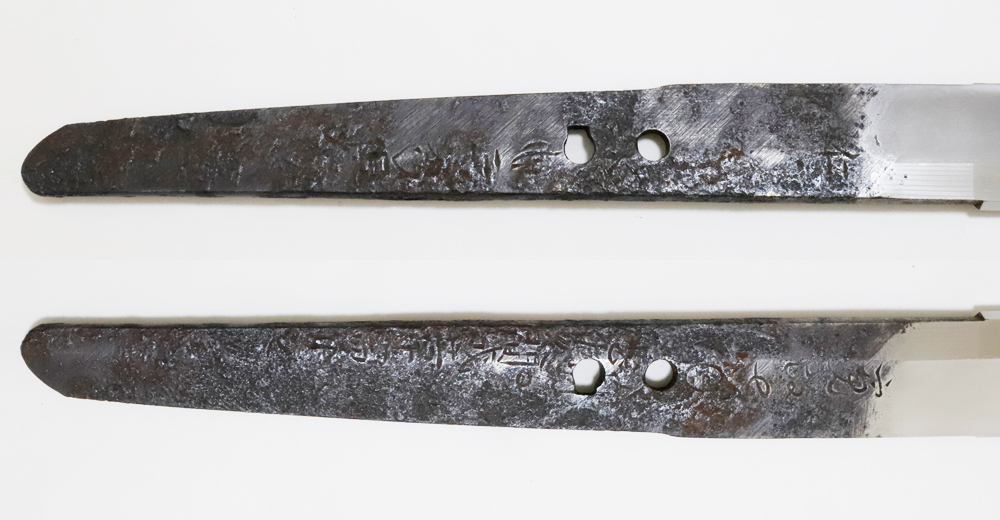
| Mei |
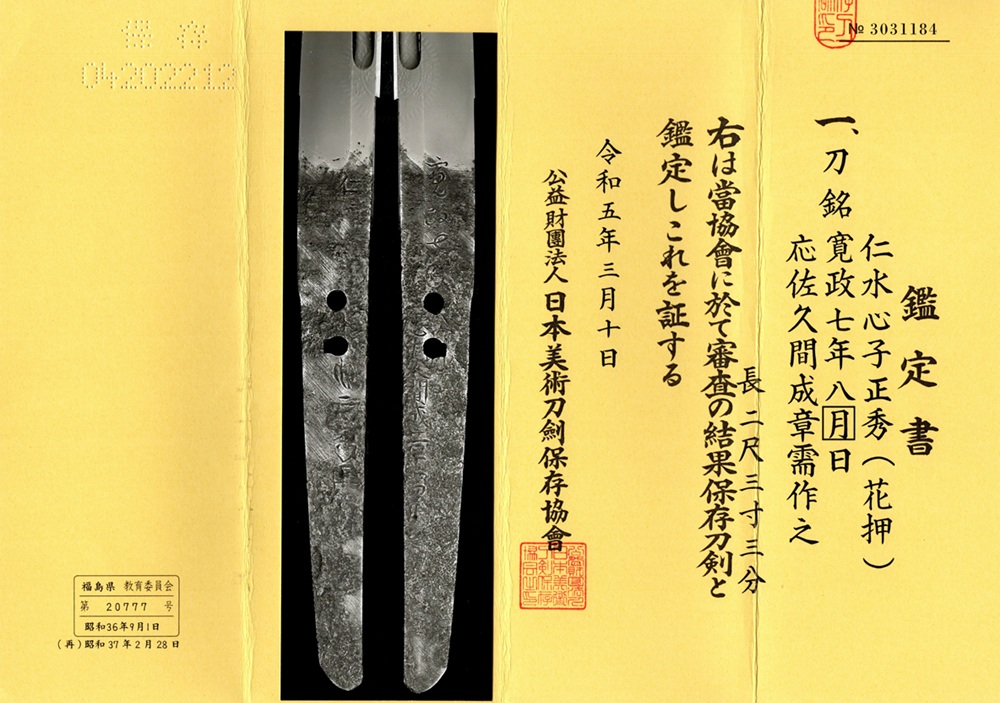
“Jin Suishinshi Masahide” with kaō (personal seal) Back: Dated August 1795 (Kansei 7), made by request of Sakuma Nariaki |
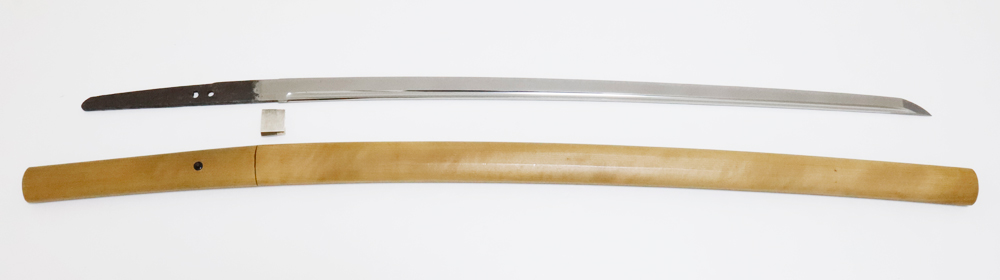
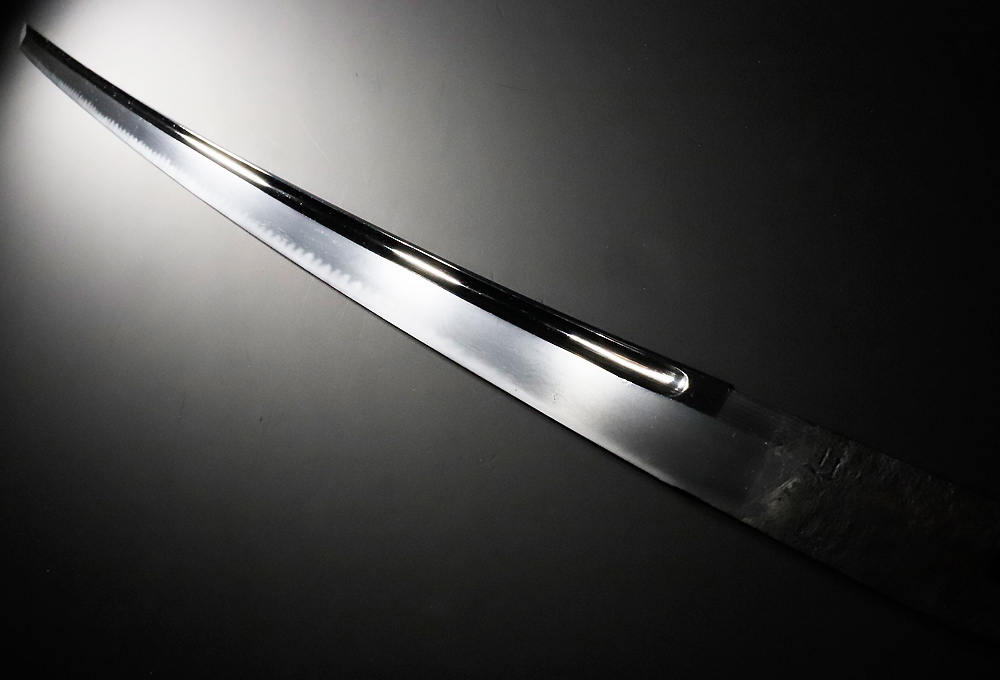
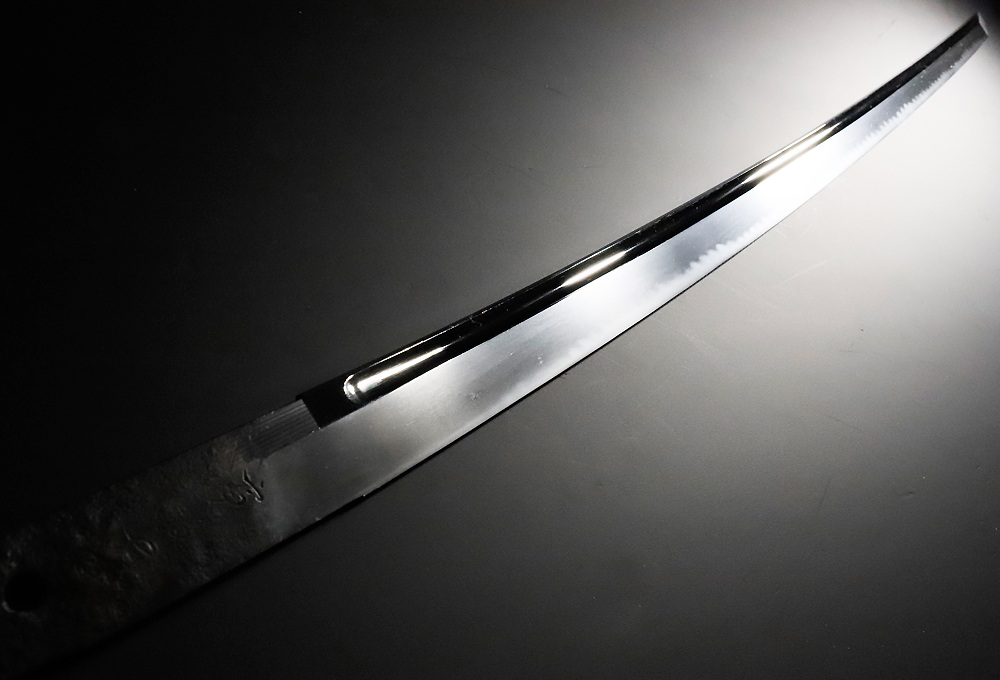
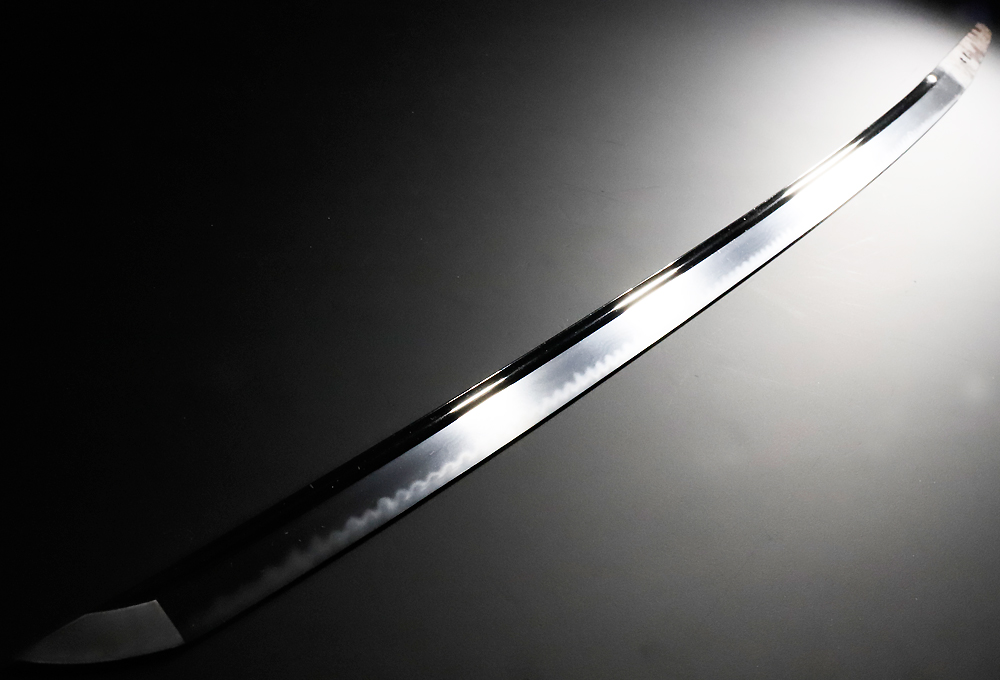
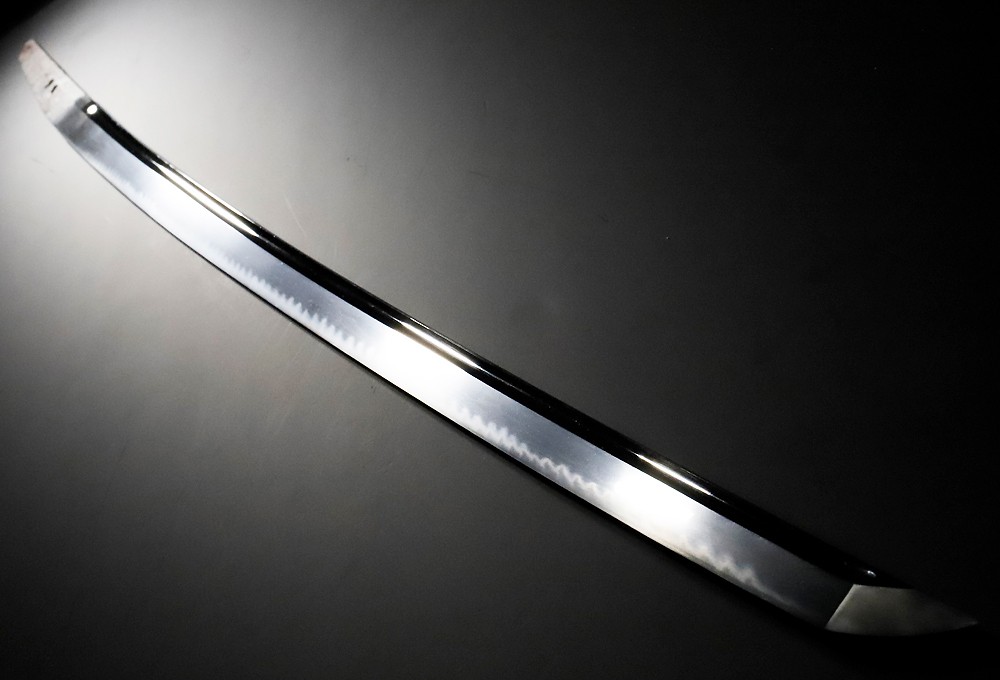
| Shape | Shinogi-zukuri, iorimune, with a chū-kissaki, featuring a dignified and refined sugata with restrained mihaba and modest sori |
| Region | Dewa and Musashi Province |
| Era | Late Edo Period |
| Length |
70.8 cm 27.9 in |
| Sori (curvature) |
1.2 cm 0.5 in |
| Motohaba |
2.9 cm 1.1 in |
| Sakihaba |
1.9 cm 0.8 in |
| Munekasane |
0.7 cm 0.3 in |
| Status | Hozon Token |
| Certification Date | March 10, 2023 |
| Registration Authority | Fukushima Prefecture |
| Registration Date | September 01, 1961 |
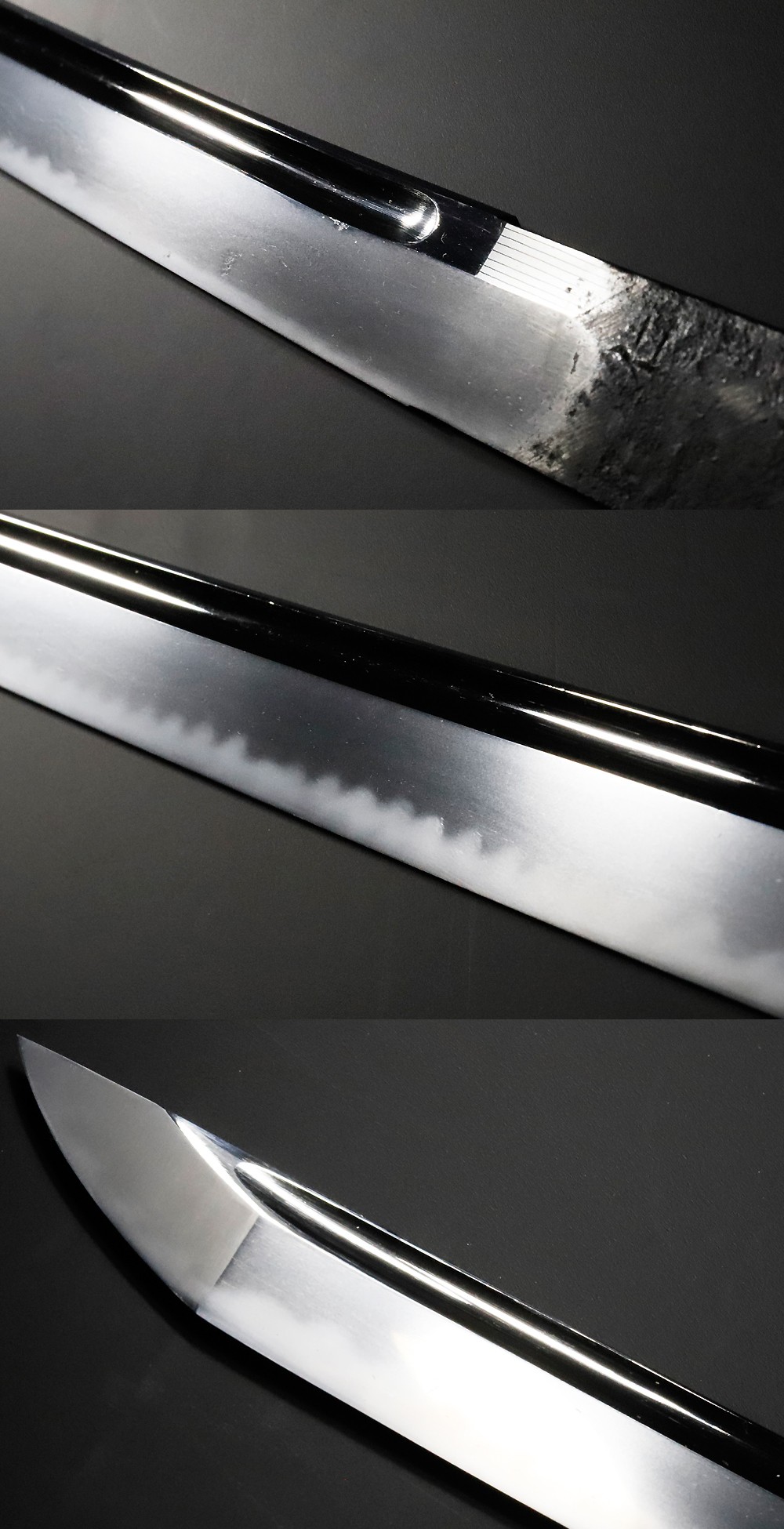
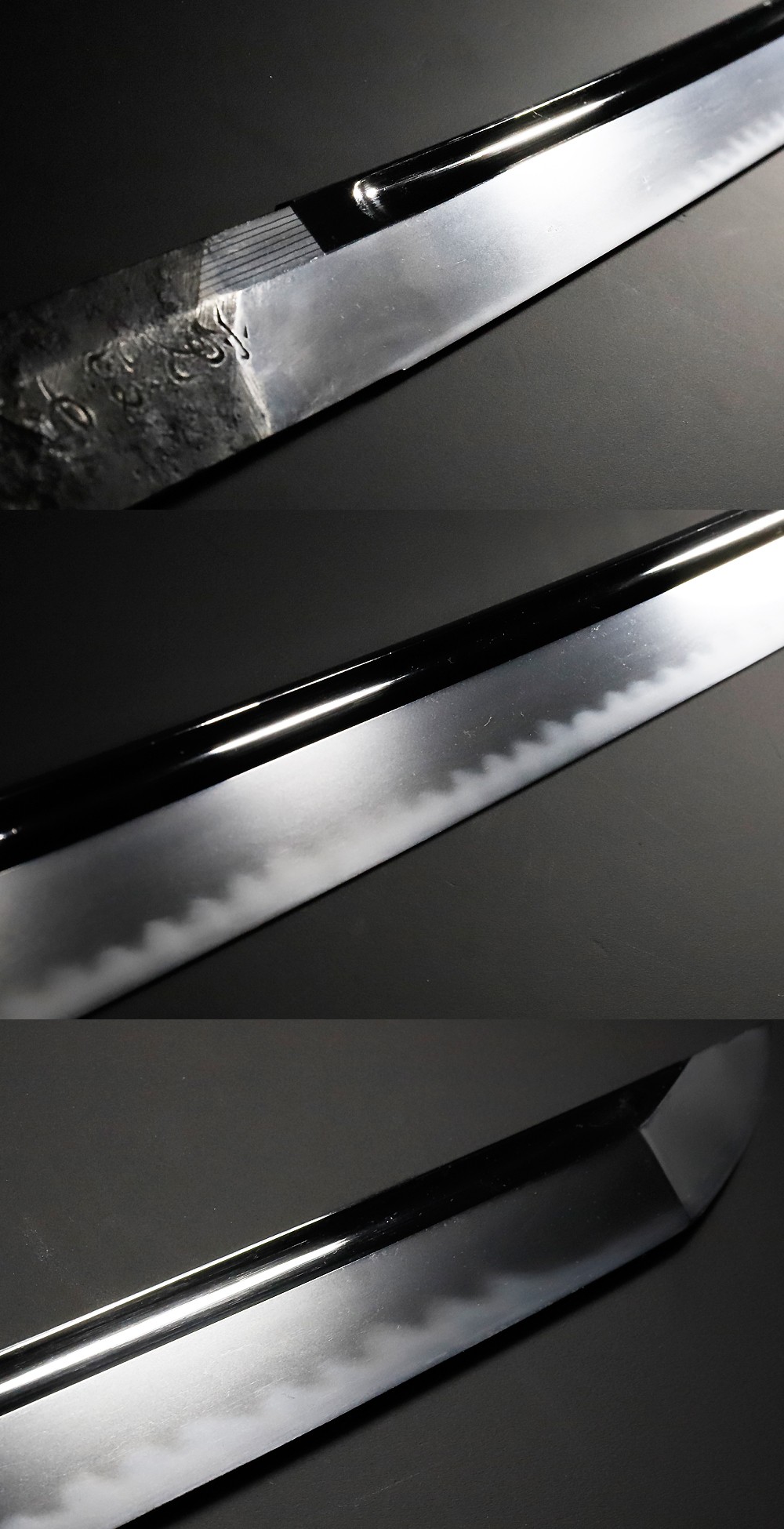
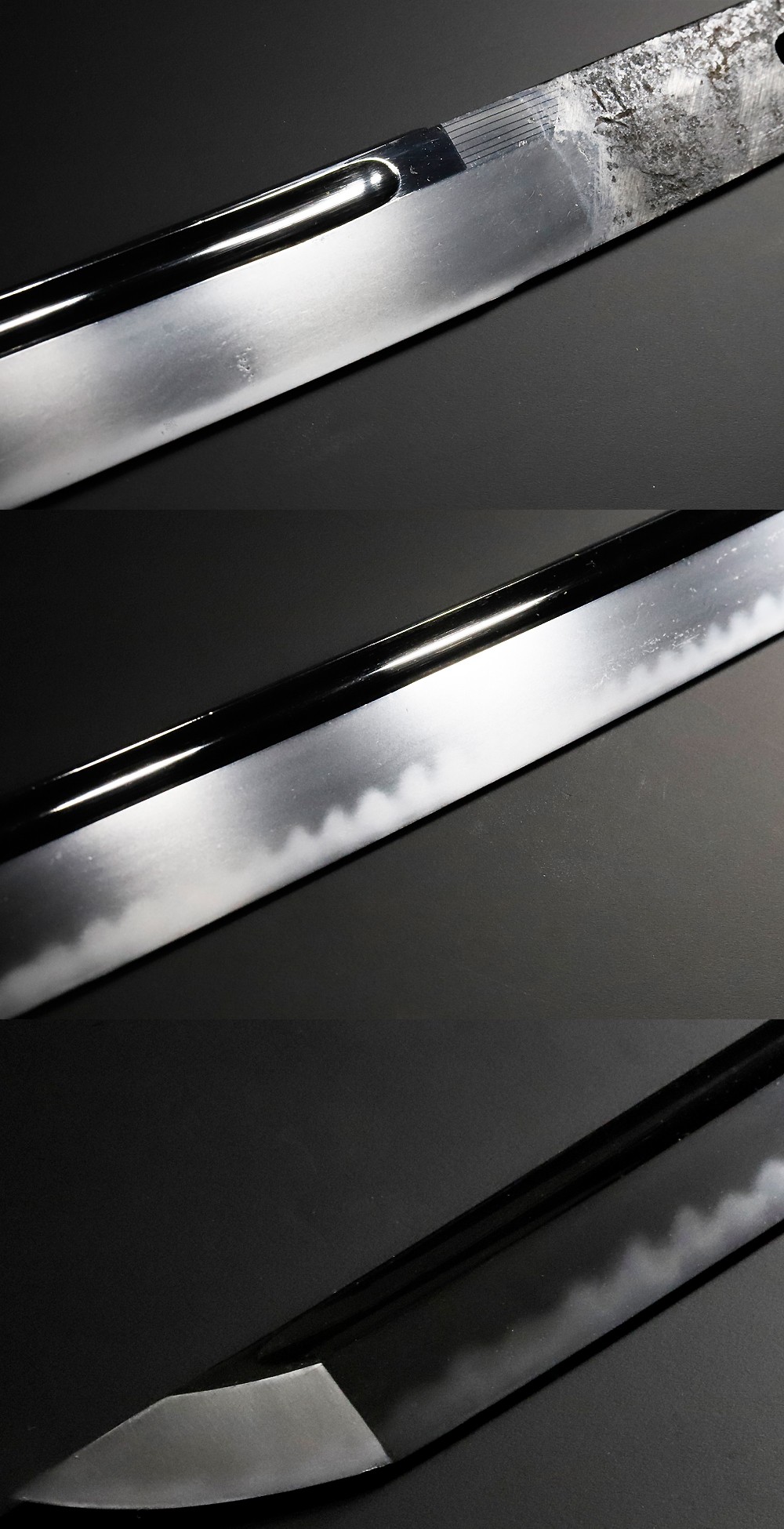
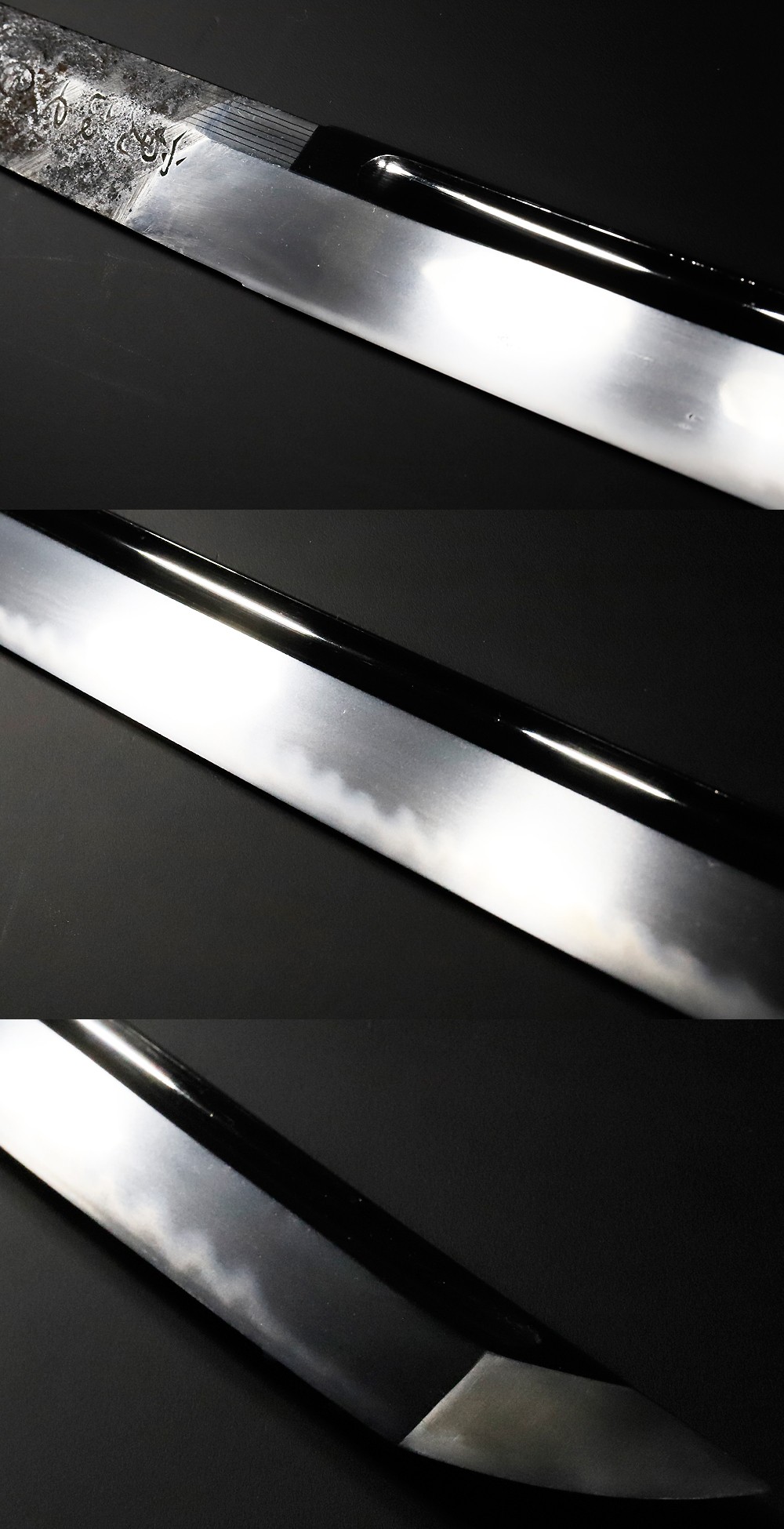
| Jihada (Metal pattern) | The jihada is a finely forged, moist and well-knit ko-itame, displaying noticeable masame-hada patterns |
| Hamon (Temper line) | The hamon consists of neatly aligned pointed gunome, with uniform yakigashira and a subtle saka-gokoro |
| Engraving | Bōhi grooves on both sides, terminating in maru-dome |
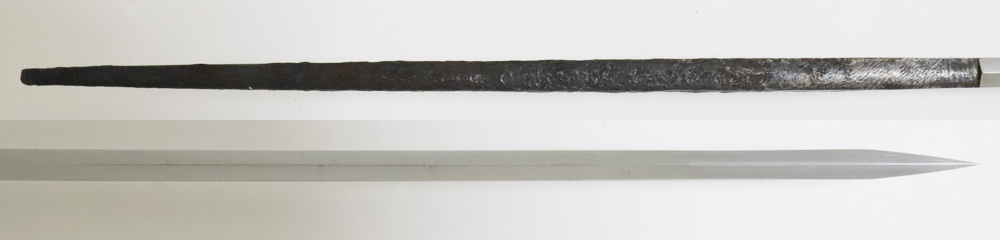
| Bōshi (Point / Tip) | The boshi is midare-komi, with a small kaeri |
| Nakago (Tang) | Ubu, featuring kesho-sujikai yasurime, a ha-agari kurijiri, and the distinctive kijimomo-gata form |
| Mekugiana (Rivet holes) | 2 |
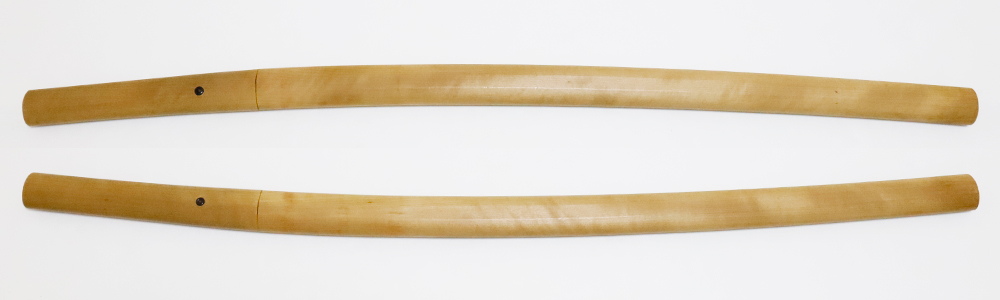
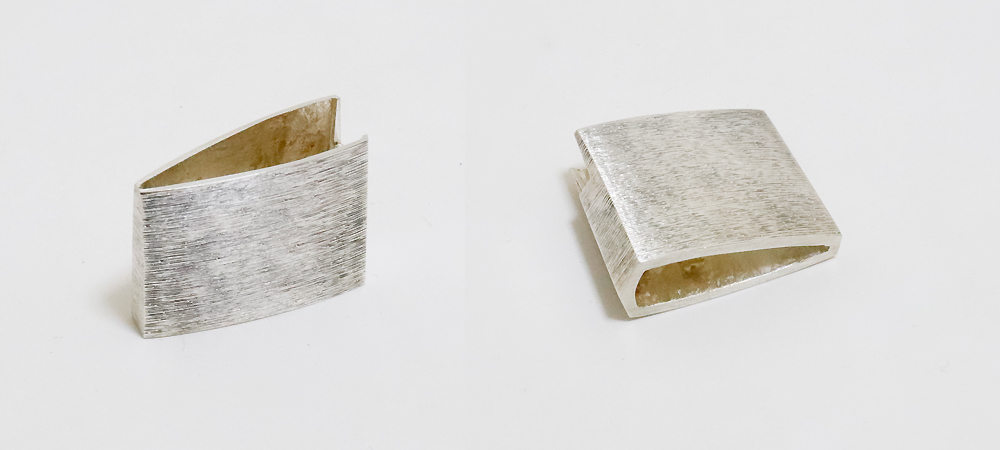
| Habaki | Solid silver habaki with yoko-yasurime |
Price |
SOLD |
| This blade is a mature work by the master swordsmith Suishinshi Masahide, widely regarded as the founder of the Shinshinto period, dated Kansei 7 (1795), when Masahide was in his mid-forties and at the height of his artistic maturity.Masahide’s style evolved significantly throughout his career. In his early years, particularly during the An’ei and Tenmei eras, he produced flamboyant works inspired by famous masters such as Tsuda Sukehiro, including dynamic tōran-ba hamon. However, by the Kansei era, he had deepened his study of kotō and shifted toward a more classical style, pursuing the essential characteristics of the Bizen, Soshu, and Yamashiro traditions. This blade is an excellent example of Masahide’s mature workmanship and refined artistic vision.The blade is forged in shinogi-zukuri with an iorimune and chū-kissaki, presenting a dignified and refined sugata with restrained sori. The nakago is shaped in the distinctive kijimomo-gata form, giving the blade a particularly stately and classical appearance.The jihada consists of a finely forged and tightly knit ko-itame with a rich, moist texture. Although highly refined, the steel is not entirely uniform, revealing visible masame-hada patterns created through sophisticated forging. This subtle variation in the steel beautifully demonstrates Masahide’s exceptional skill in forging.The hamon consists of neatly aligned pointed gunome, with uniform yakigashira and a slightly saka-gokoro tendency. The elegant and disciplined hamon harmonizes beautifully with the refined jihada and visible masame patterns, reflecting both remarkable technical skill and a highly sophisticated aesthetic sense.Although there is some partial corrosion to the nakago, which is regrettable, the signature remains of exceptional interest. Particularly noteworthy is the unusual inscription “Jin Suishinshi Masahide”, with the character 仁 (Jin) placed before Suishinshi.This additional character carries strong Confucian and philosophical significance. In this context, Jin represents benevolence and virtue, suggesting Masahide’s emphasis not only on technical excellence, but also on moral character and personal integrity. It offers a fascinating insight into the spiritual and intellectual depth of this great master.The reverse inscription reads:Kansei 7 (1795), AugustMade upon request of Sakuma NariakiThe identity of Sakuma Nariaki remains unclear at present. However, it is reasonable to assume that he was either a samurai or a distinguished sword connoisseur of considerable status and financial means, capable of commissioning a special-order blade from Masahide.This blade passed the NBTHK Hozon Token certification in Reiwa 5 (2023).An excellent and highly valuable example that embodies both the philosophy and masterful workmanship of Suishinshi Masahide. |


 Search