| Product No. KA-0833 日向國松葉一路國正作 | |
|---|---|
| Mei |
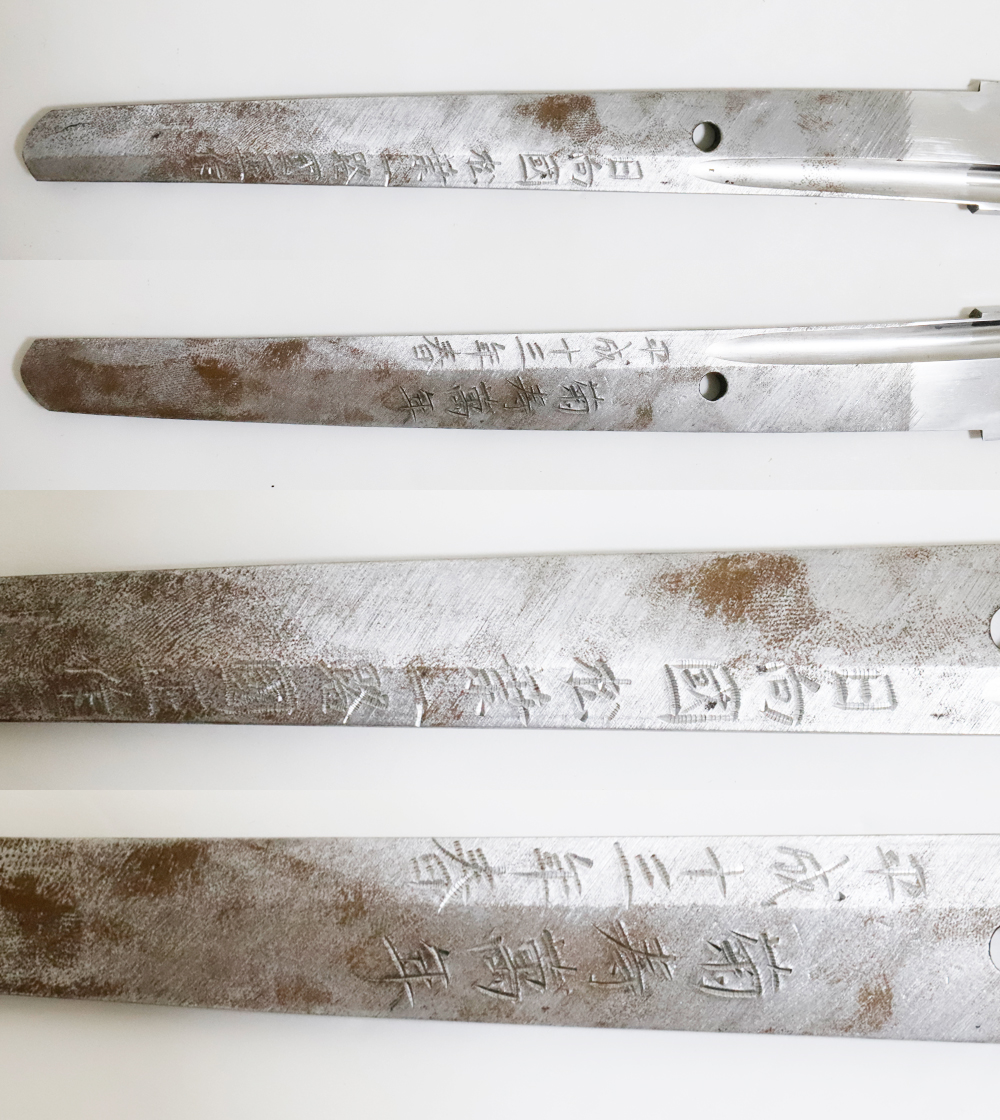
Made by Matsuba Ichirō Kunimasa of Hyūga Province Back: Kikuju Mannen" ("May the chrysanthemum enjoy ten thousand years of longevity"), Spring of Heisei 13 (2001) |
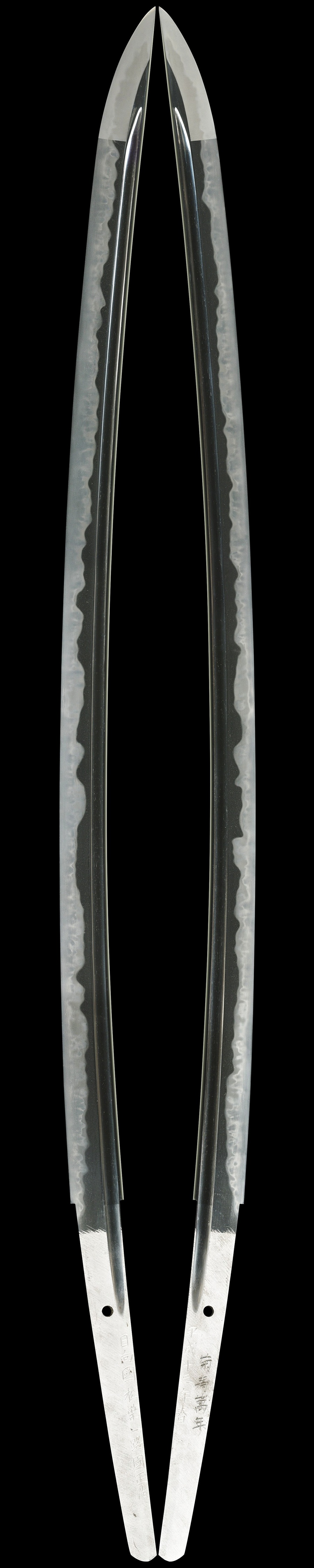
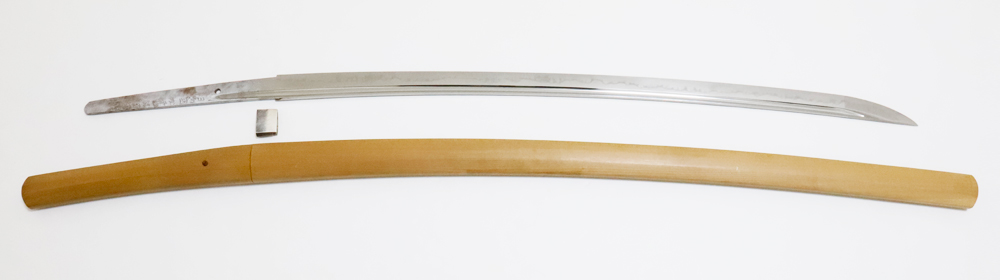
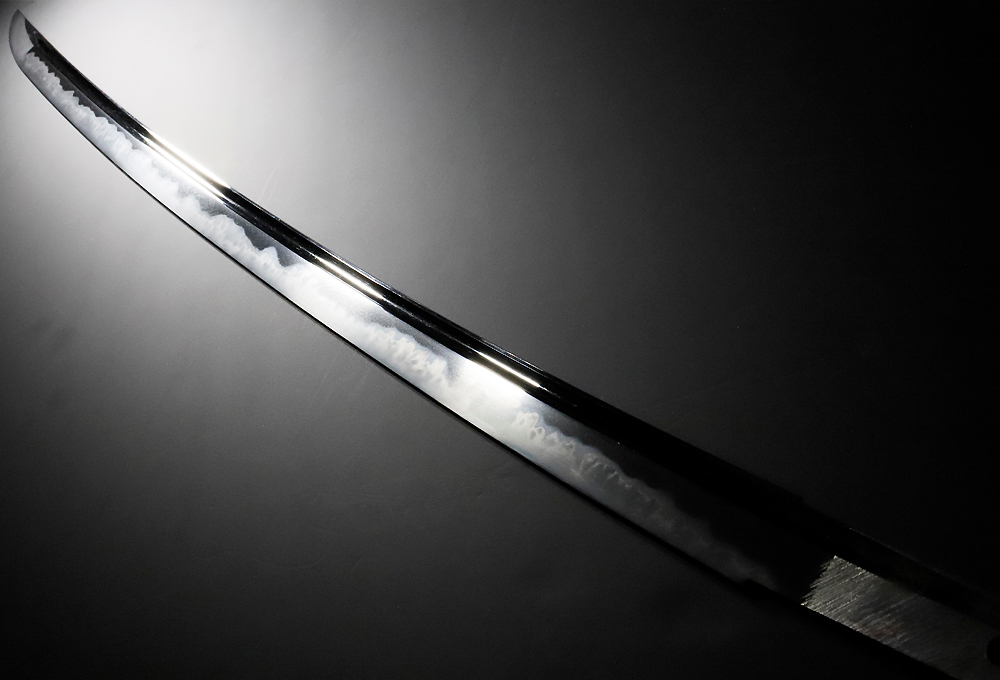
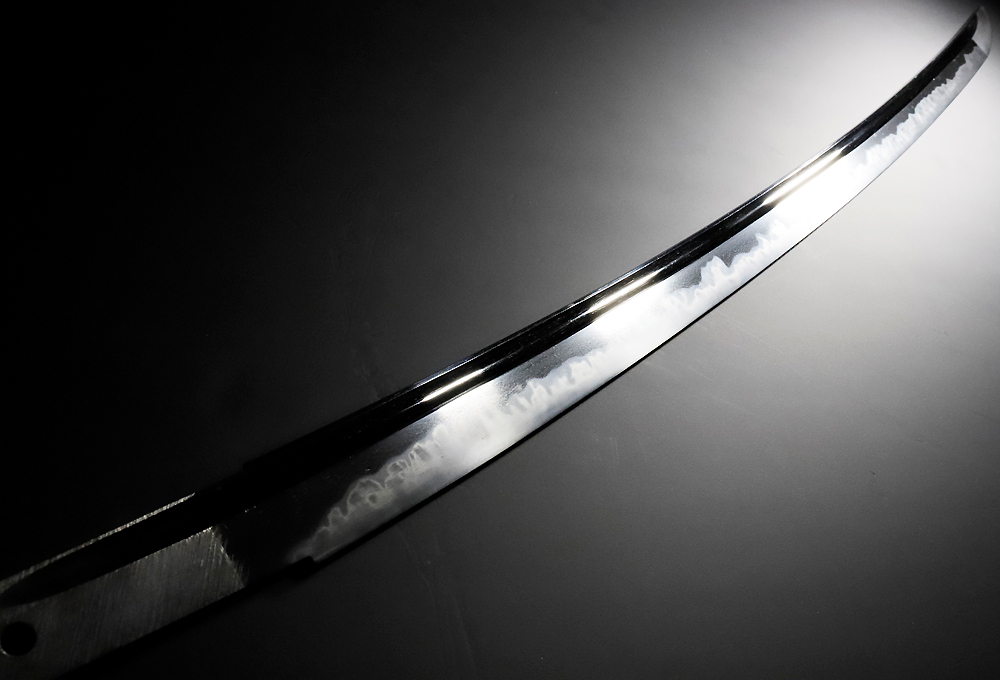
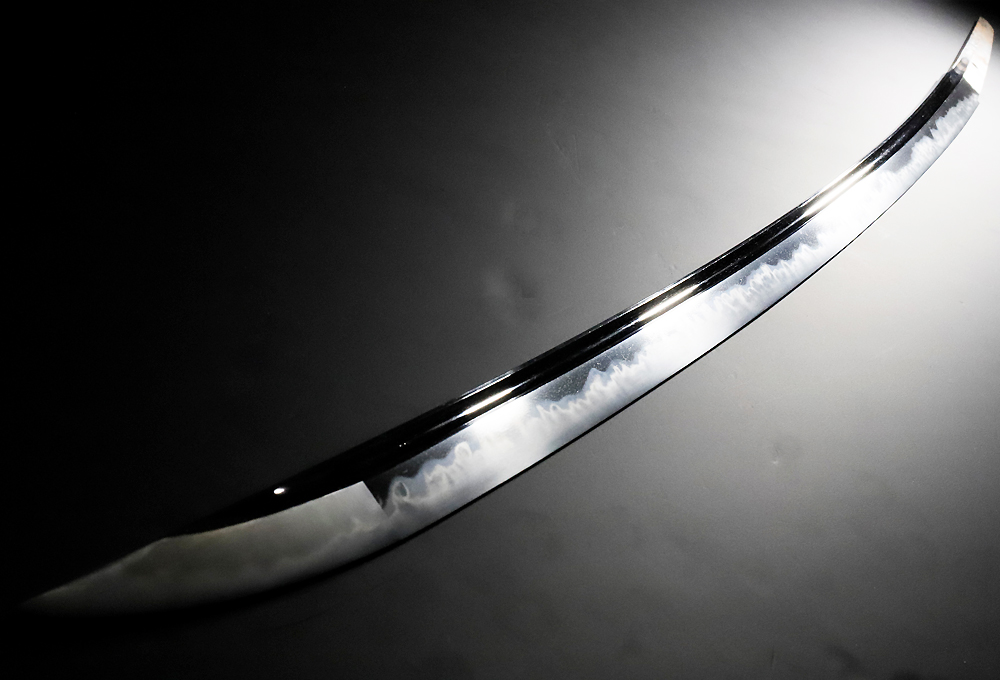
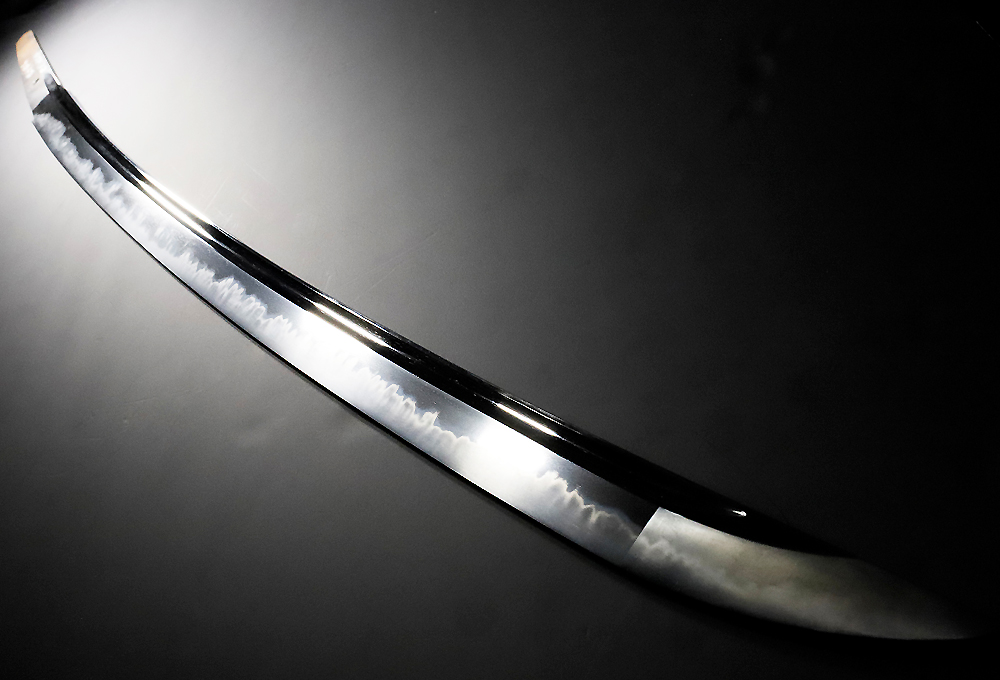
| Shape | Shinogi-zukuri, iori-mune. The blade displays a powerful and imposing sugata, featuring a large ō-kissaki, broad mihaba, substantial kasane, and graceful sori |
| Region | Miyazaki Prifecture |
| Era | Heisei Period |
| Length |
79.8 cm 31.4 in |
| Sori (curvature) |
2.2 cm 0.8 in |
| Motohaba |
3.5 cm 1.4 in |
| Sakihaba |
2.9 cm 1.1 in |
| Munekasane |
0.7 cm 0.3 in |
| Registration Authority | Miyazaki Prefecture |
| Registration Date | February 03, 2025 |
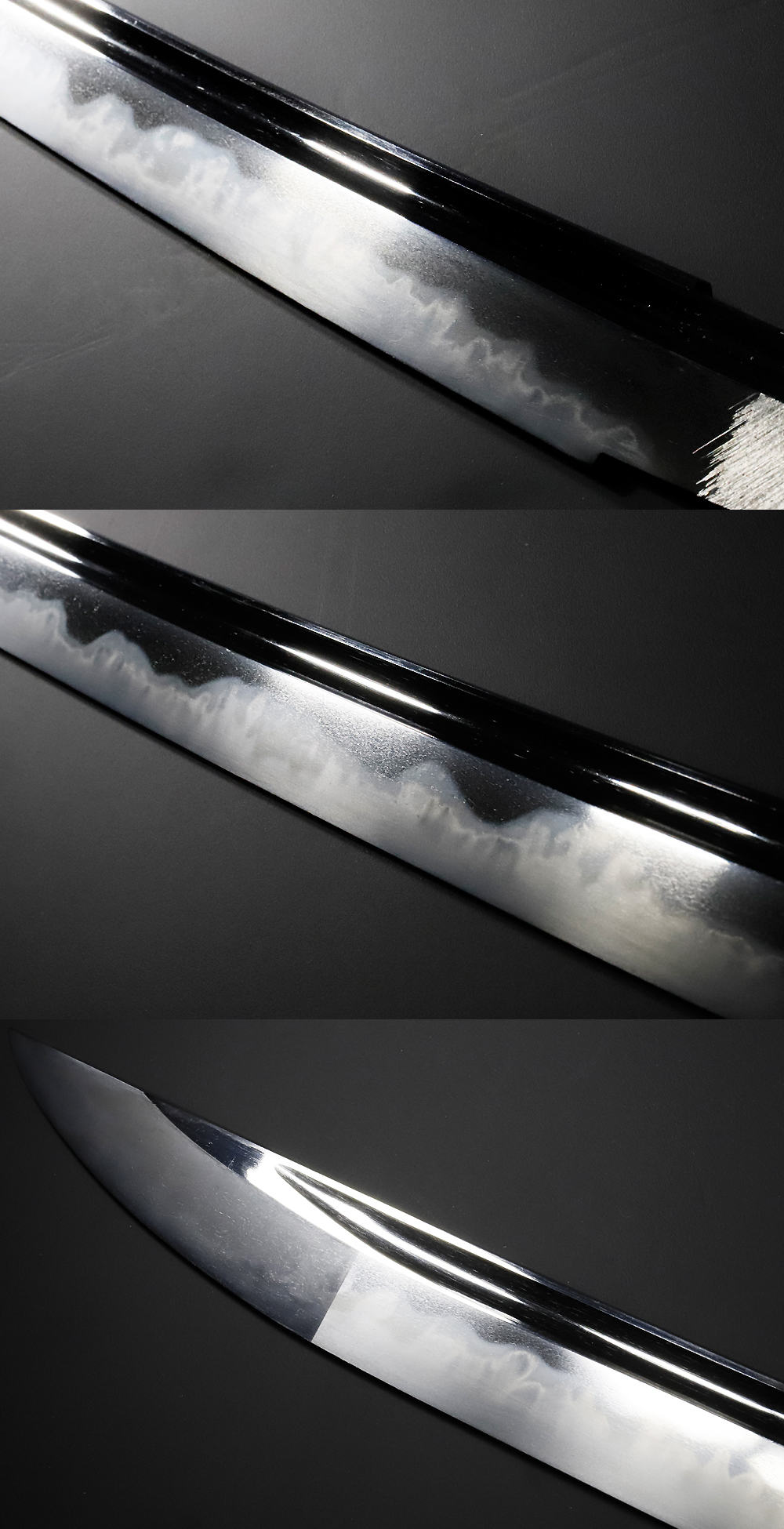
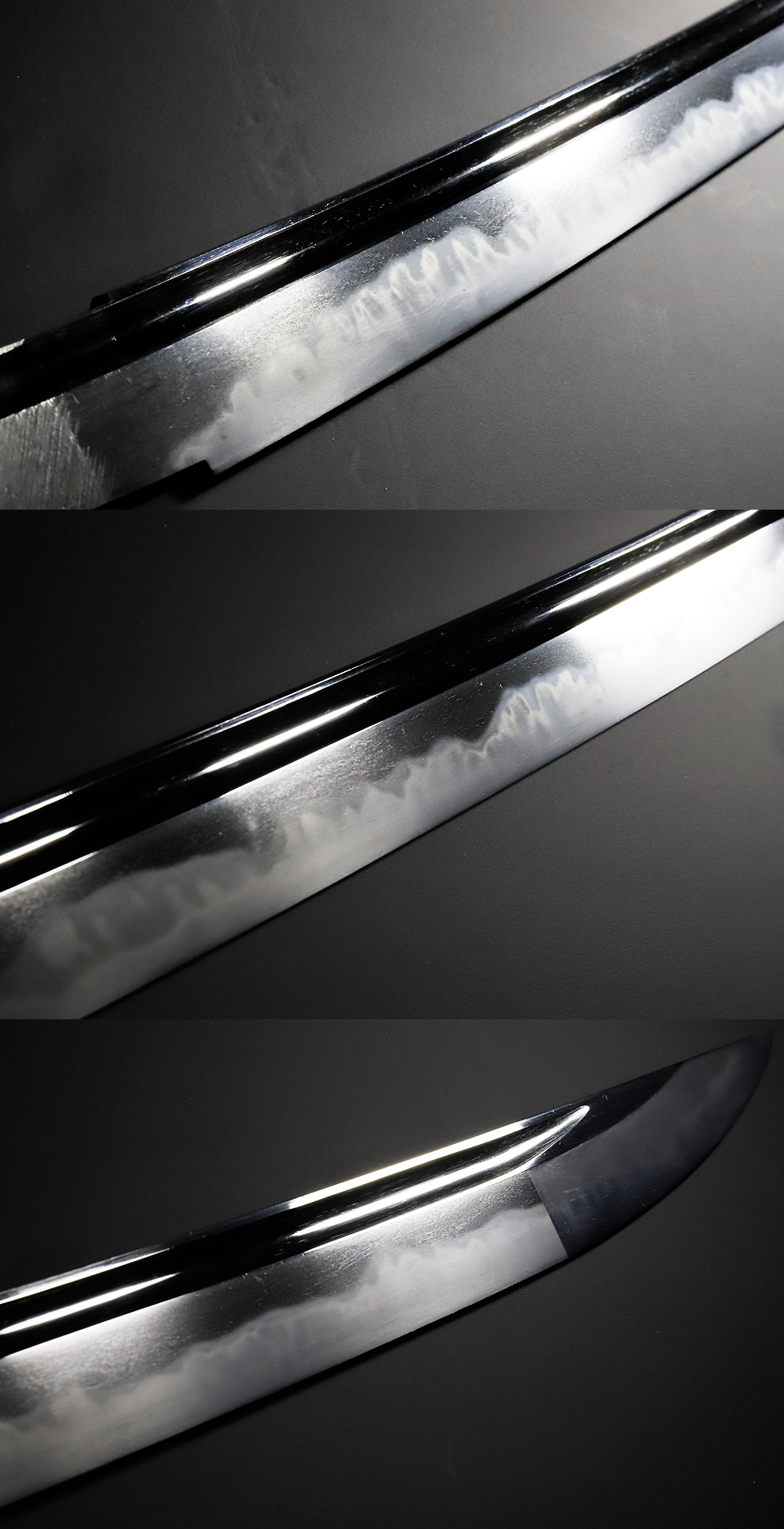
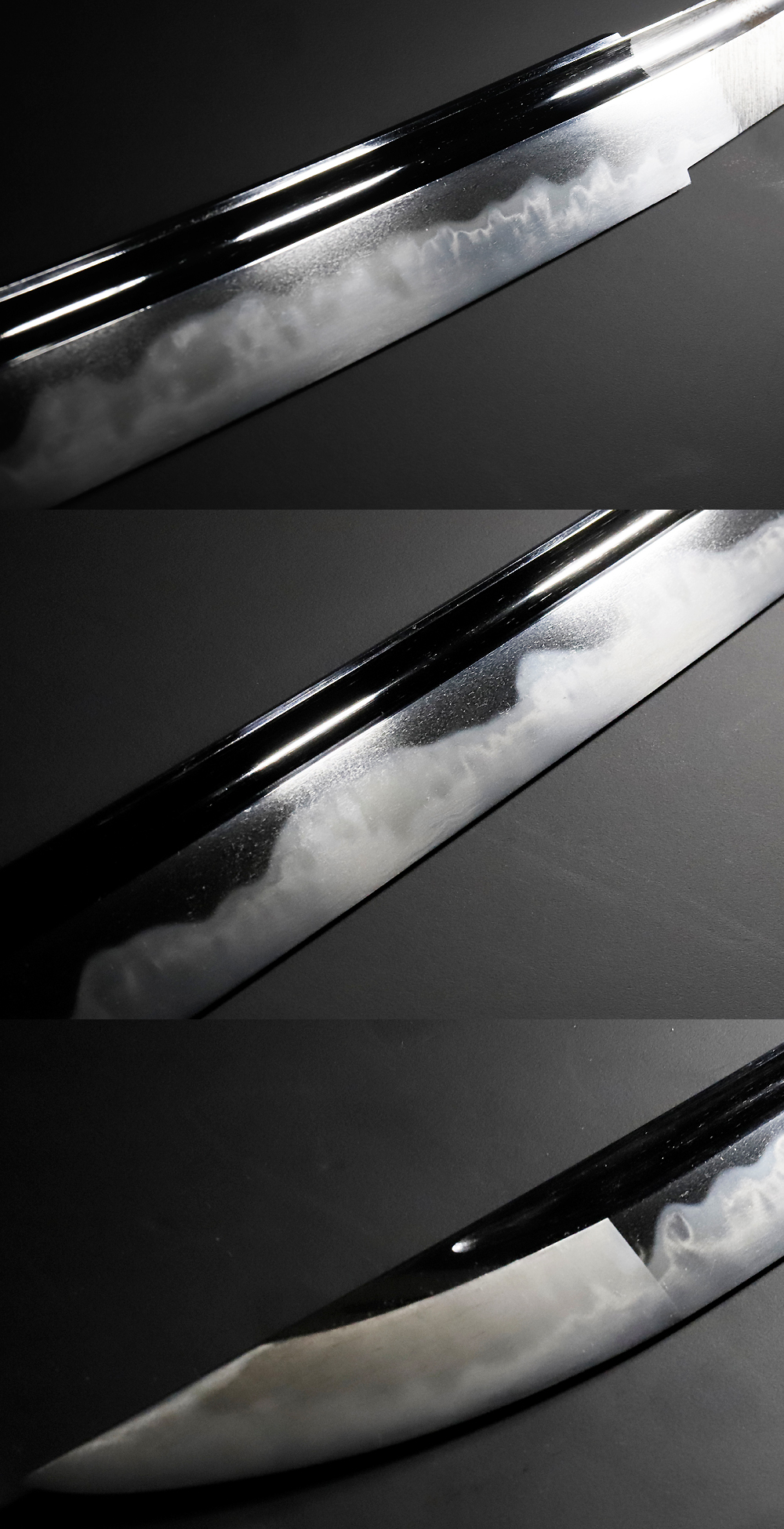
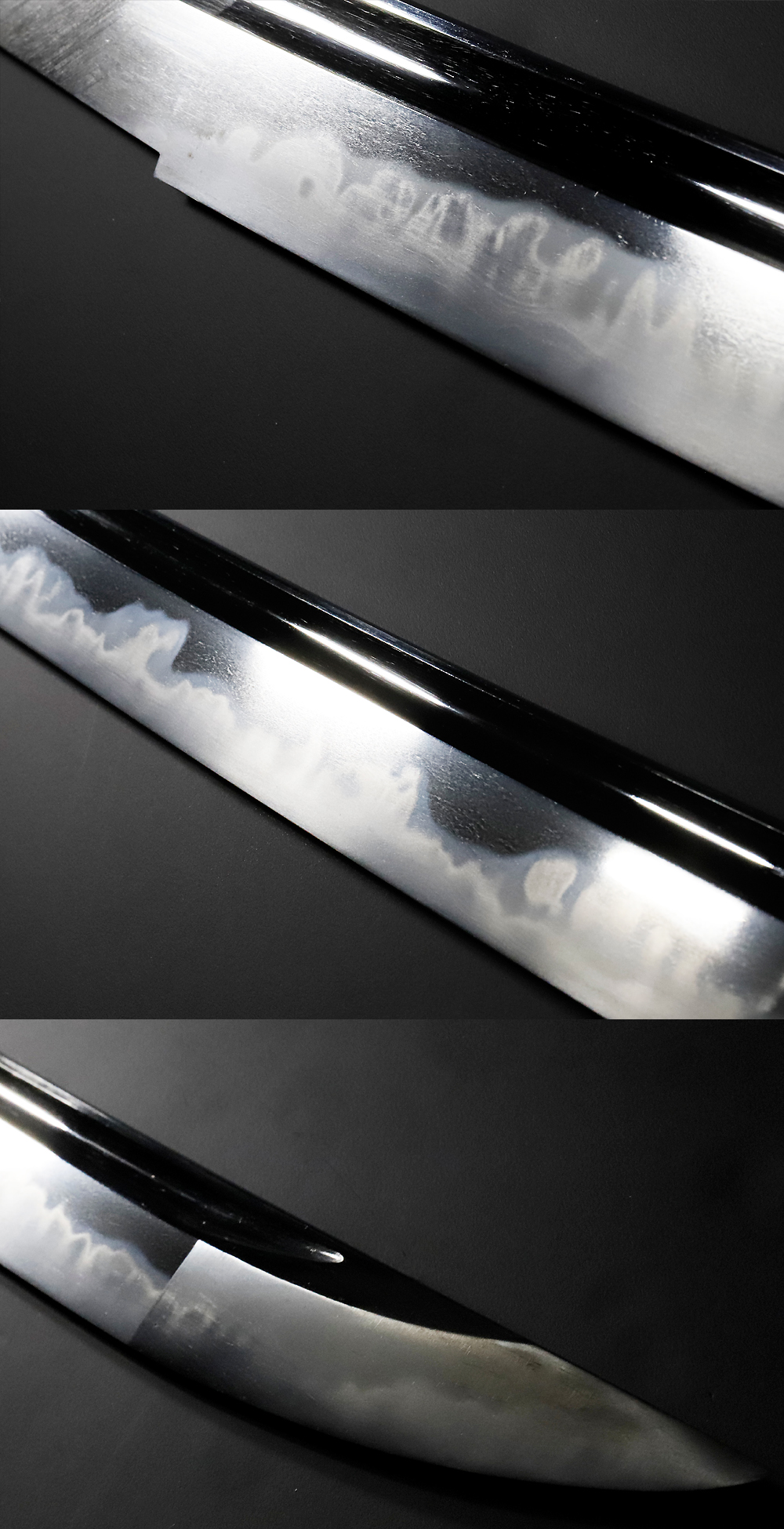
| Jihada (Metal pattern) | The jihada is a well-forged flowing ko-itame, covered throughout with extremely fine ji-nie |
| Hamon (Temper line) | The hamon is a flamboyant gunome-chōji pattern with vigorous and energetic undulations |
| Engraving | Bo-hi on both sides of the blade, terminating in kaki-nagashi |
| Bōshi (Point / Tip) | The boshi is midare-komi and forms a ko-maru, turning back with a slight tsukiage tendency |
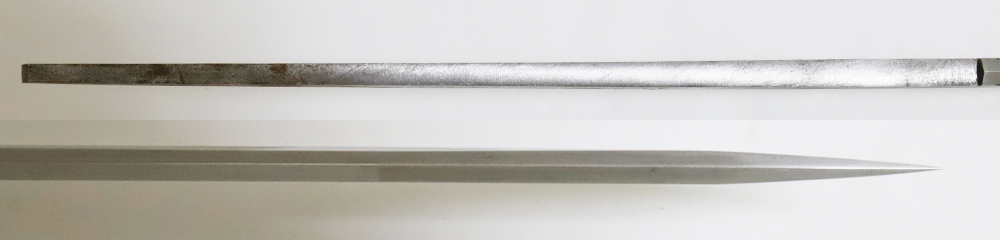
| Nakago (Tang) | Ubu, sujikai yasurime, kurijiri end |
| Mekugiana (Rivet holes) | 1 |
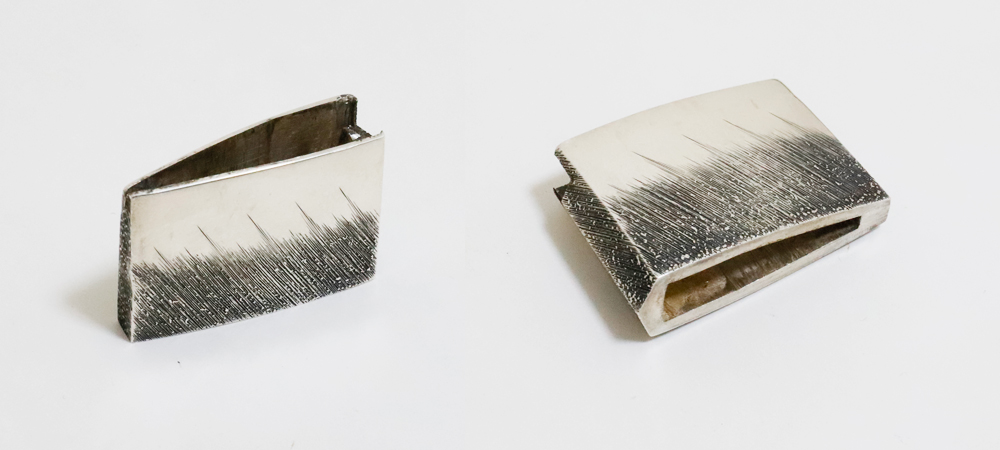
| Habaki | Solid silver habaki with Koshi-Yūjō file marks |
Price |
SOLD |
| Matsuba Kunimasa (given name Ichirō) was born in 1959 in Hyuga City, Miyazaki Prefecture, and is currently 67 years old. In 1983, he became a student of the swordsmith Kobayashi Yasuhiro. He received his sword-making license in 1989 and has since exhibited works annually at the NBTHK's Contemporary Sword Exhibition, where he has consistently been selected for display.Kunimasa is recognized as one of the leading contemporary swordsmiths of Japan. After receiving the NBTHK Chairman's Award (First Prize Special Award) in 2011, he won the same prestigious award for four consecutive years through 2014. In 2014, he was granted Mukansa status, recognizing him as a swordsmith whose work is exempt from competitive judging due to its outstanding quality.Based on its shape and workmanship, this blade appears to have been made in the style of Chōgi. The reverse side bears the auspicious inscription "Kikuju Mannen" ("May longevity endure for ten thousand years like the chrysanthemum"), a traditional expression wishing for long life and prosperity.This is a spirited and energetic work forged by Matsuba Kunimasa at the age of 42, reflecting the vigor and confidence of a master swordsmith in his prime. |

 Search