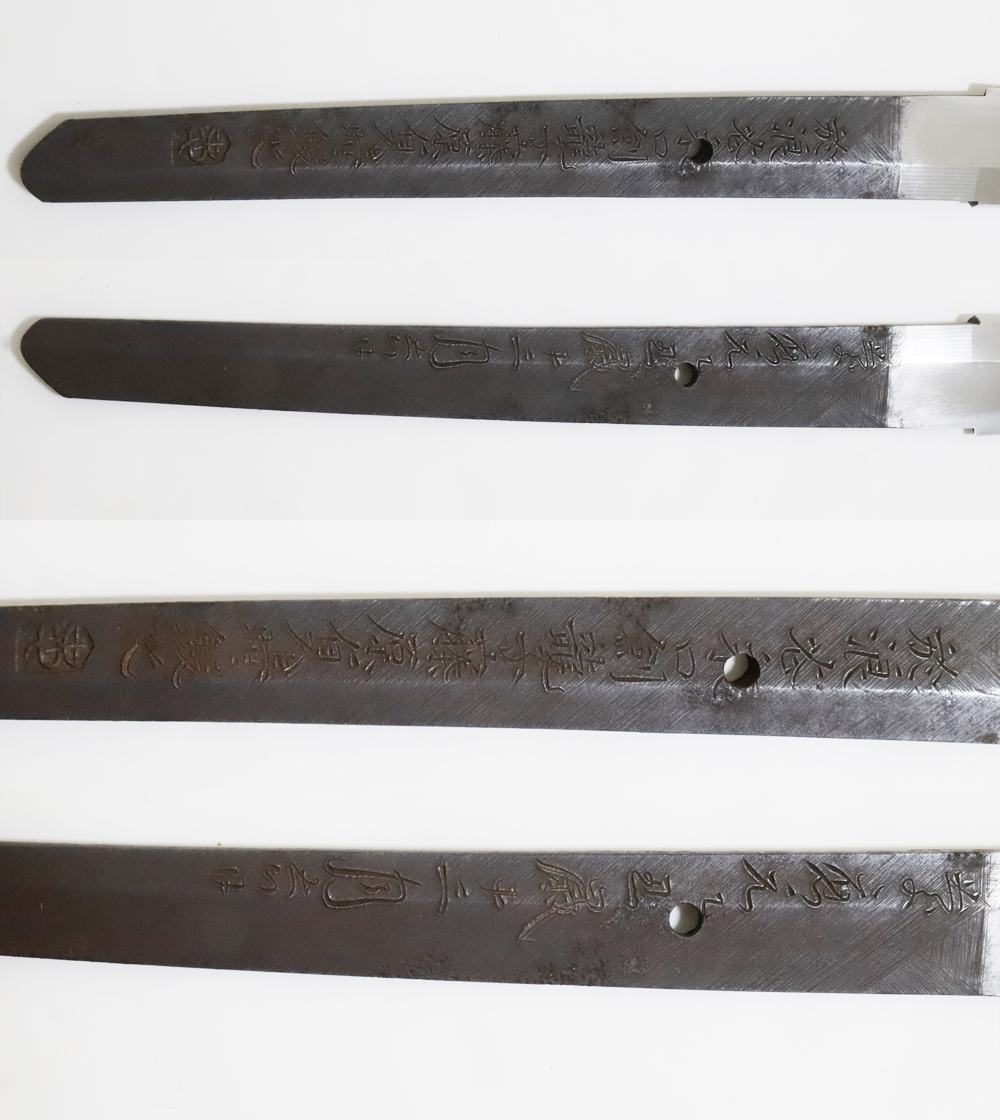
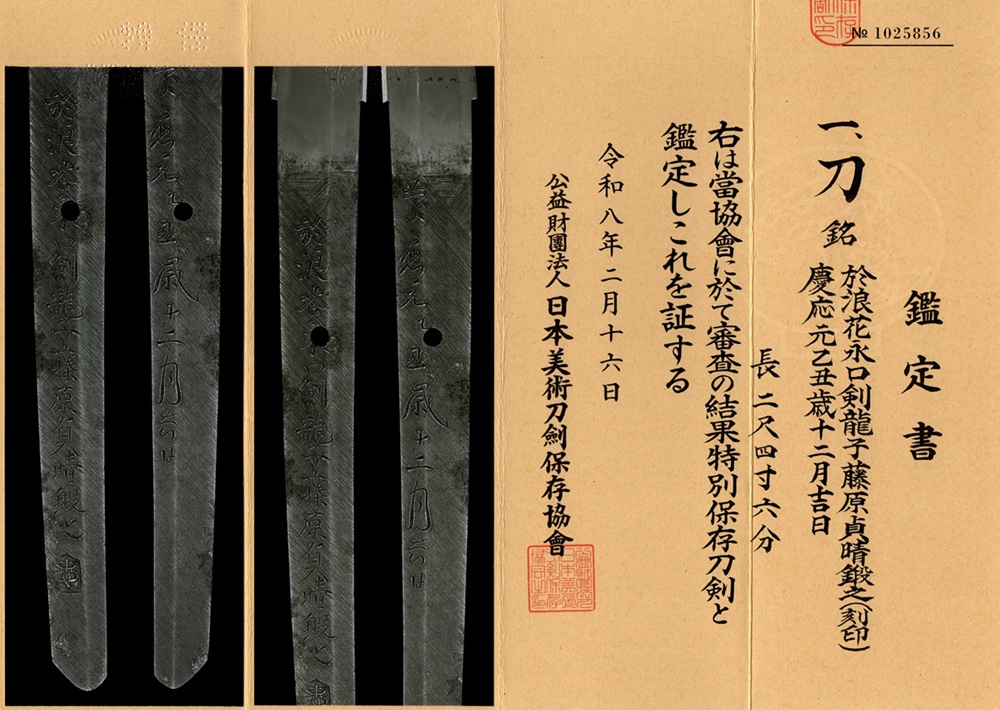
| Product No. KA-0829 於浪花永口剣龍子藤原貞晴鍛之(刻印) | |
|---|---|
| Mei |
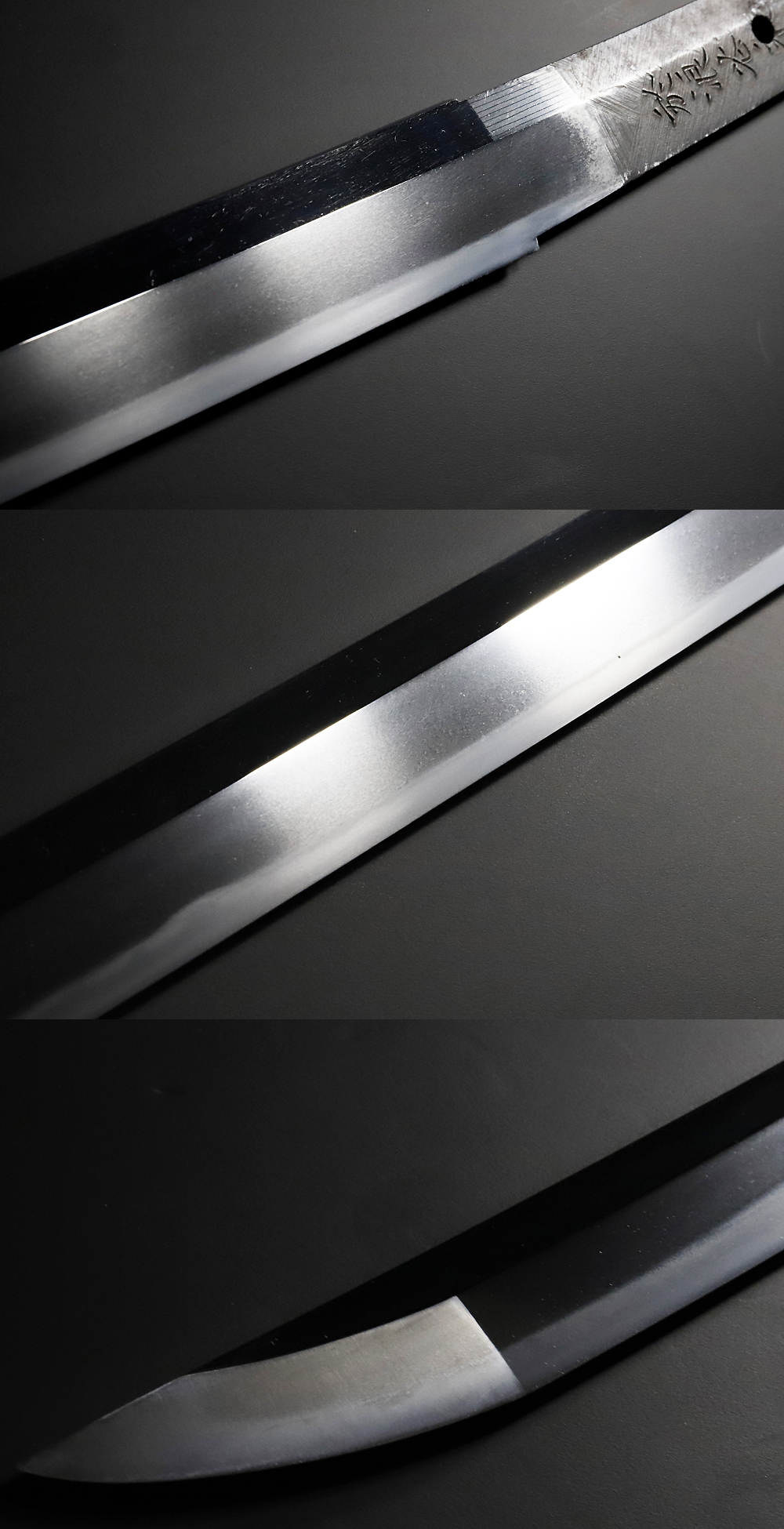
Forged by Nagaguchi Kenryūshi Fujiwara Sadaharu at Osaka (stamped). Back: Dated: An auspicious day in December, Keiō 1 (1865) |
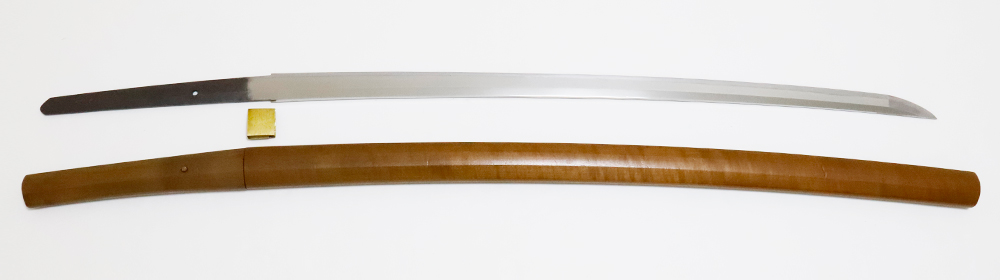
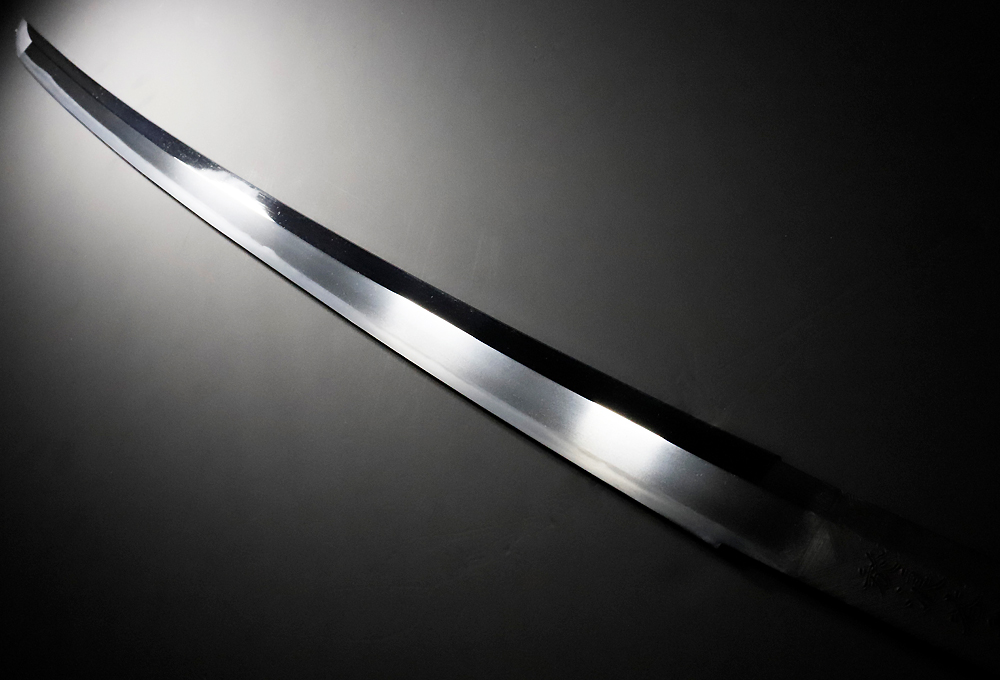
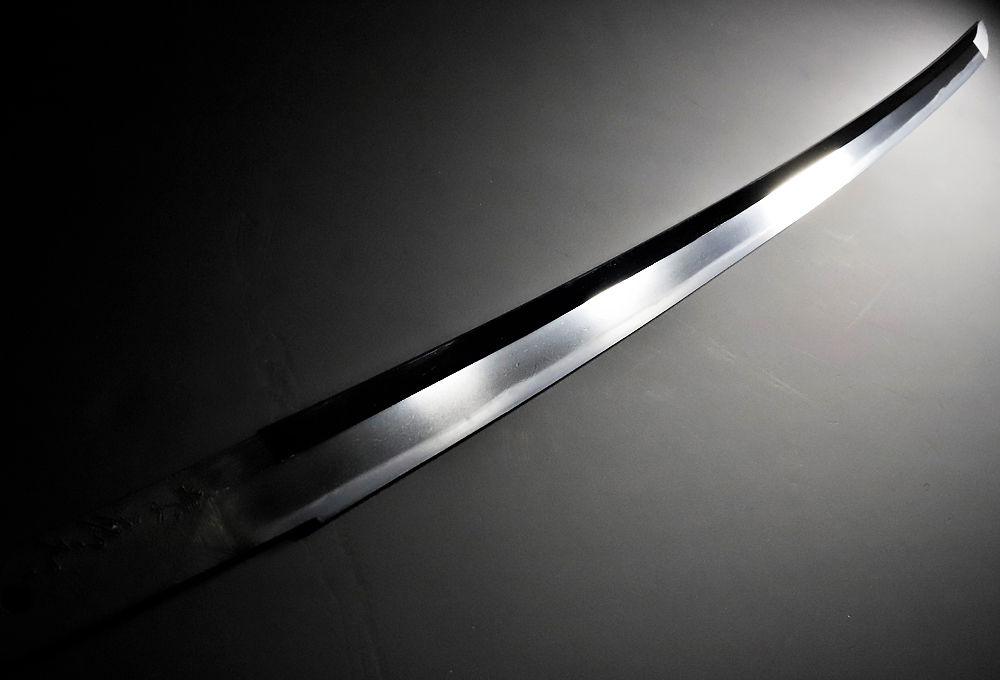
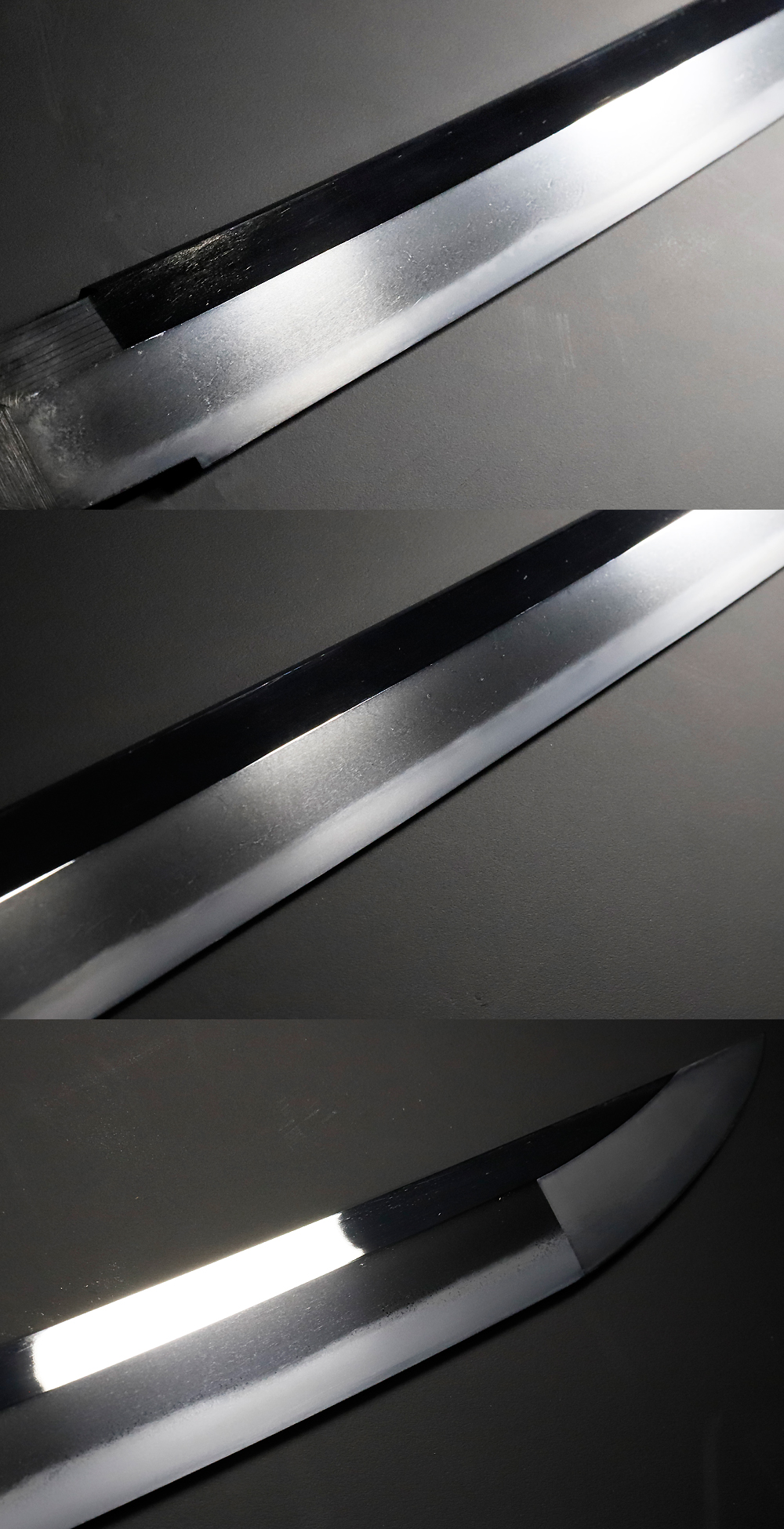
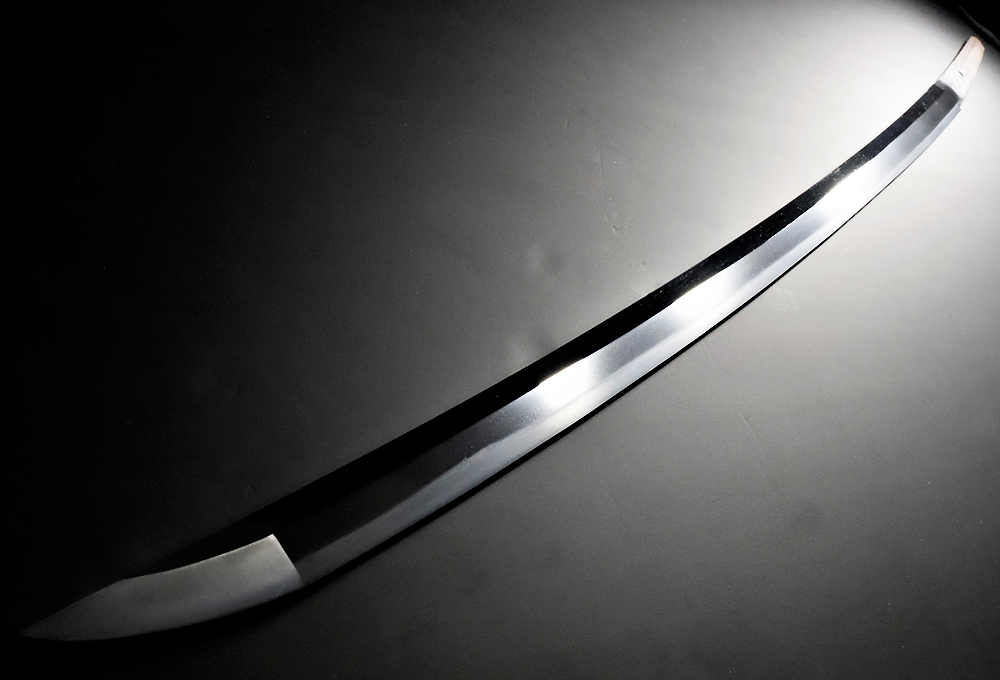
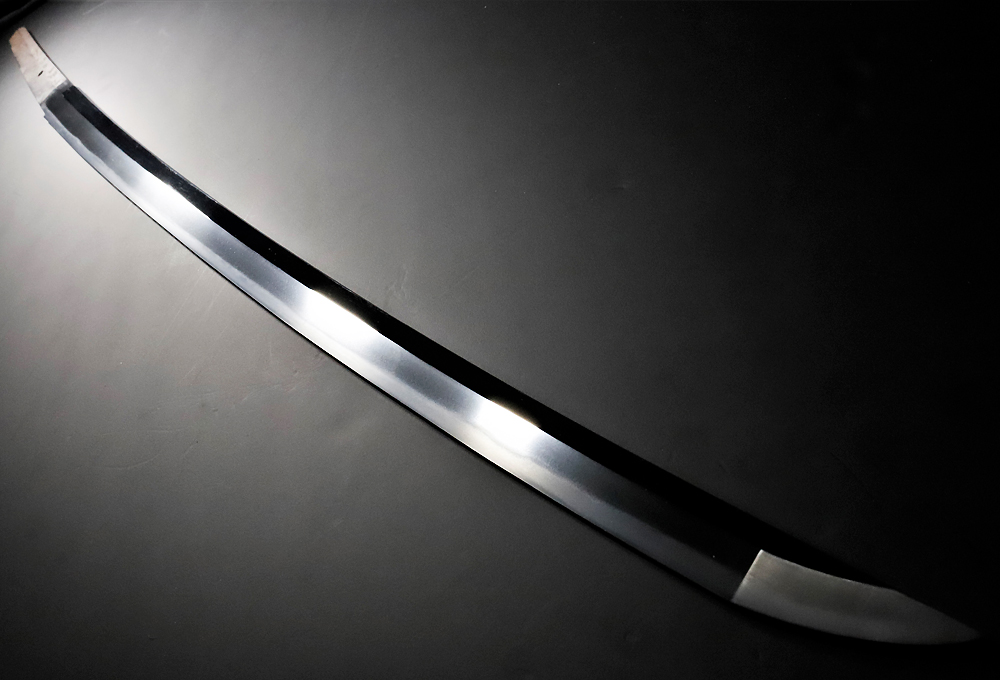
| Shape | Shinogi-zukuri, iori-mune. The blade exhibits the bold and imposing sugata characteristic of the Bakumatsu period, with a large kissaki, broad mihaba, and shallow sori. |
| Region | Settsu Province |
| Era | Bakumatsu Period |
| Length |
74.5 cm 29.3 in |
| Sori (curvature) |
1.3 cm 0.5 in |
| Motohaba |
3.3 cm 1.3 in |
| Sakihaba |
2.3 cm 0.9 in |
| Munekasane |
0.7 cm 0.3 in |
| Status | Tokubetsu Hozon Token |
| Certification Date | February 16, 2026 |
| Registration Authority | Saitama Prefecture |
| Registration Date | November 28, 1951 |
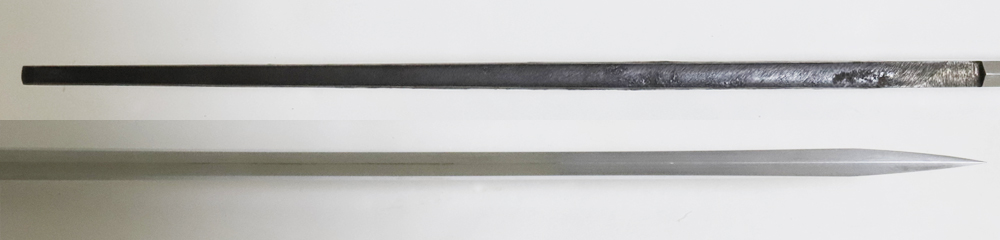
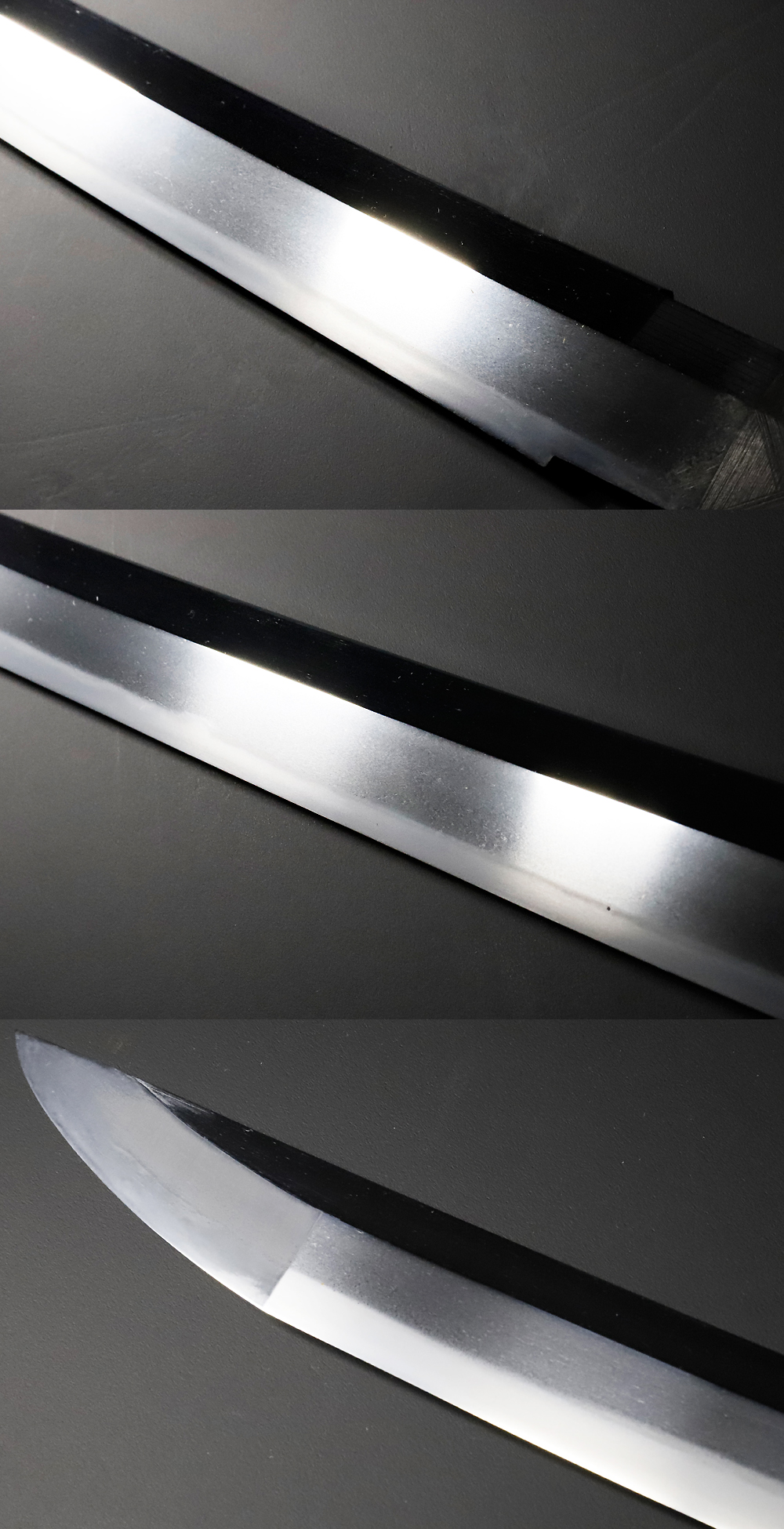
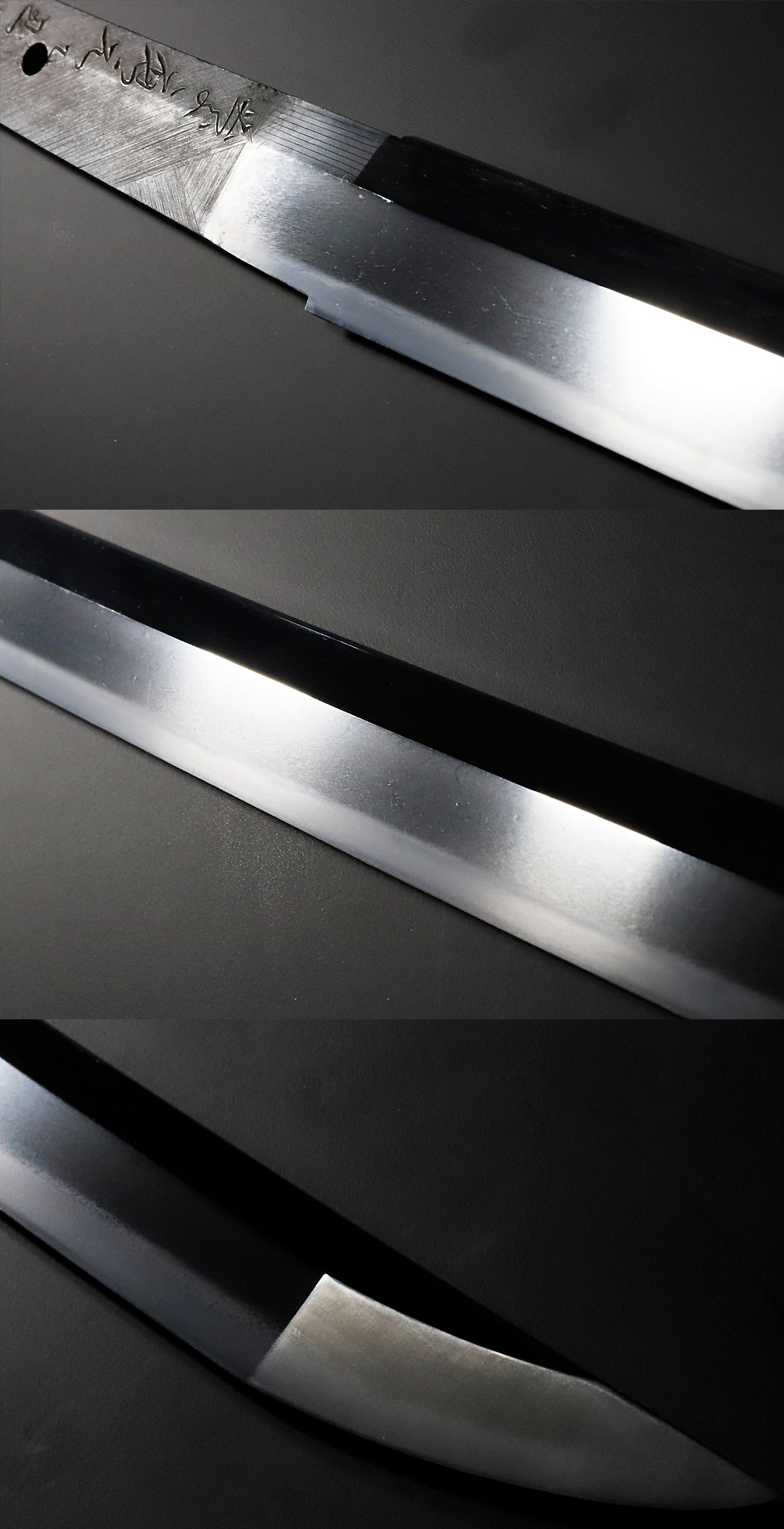
| Jihada (Metal pattern) | The jihada is a tightly forged ko-itame hada with visible chikei |
| Hamon (Temper line) | The hamon is primarily suguha-based, mixed with small gunome and ko-ashi, with kinsuji running along the habuchi |
| Bōshi (Point / Tip) | The boshi is sugu and turns back with a slight hakikake tendency |
| Nakago (Tang) | Ubu. Kesho-yasuri over ō-sujikai yasurime, with a ha-agari kurijiri nakago-jiri |
| Mekugiana (Rivet holes) | 1 |
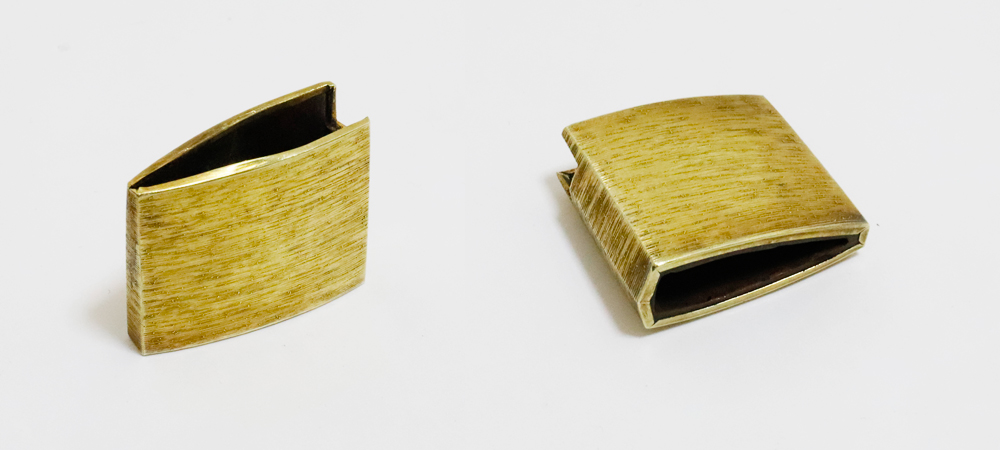
| Habaki | Copper base, gold-foiled habaki with file marks |
Price |
1,000,000 JPY |
| Kenryūshi Sadaharu was a swordsmith active in Osaka during the late Edo period and a student of Gassan Sadayoshi. His family name was Nagaguchi.This blade displays the powerful style favored by samurai of the Bakumatsu period, featuring a shallow sori, a wide mihaba, an extended kissaki, and an impressive length of 2 shaku 4 sun 6 bu (approximately 74.5 cm).The jigane is a well-forged ko-itame hada with visible chikei. The hamon is primarily suguha-based, mixed with small gunome and ko-ashi, with kinsuji appearing along the habuchi. The nakago is exceptionally well finished, displaying bold ō-sujikai yasurime together with beautifully executed kōzutsumi keshō-yasuri. The long and dignified signature and stamped mark are carefully engraved on the tang. The reverse side bears an elegantly engraved cursive inscription dating the blade to Keiō 1 (1865).Passed the NBTHK Tokubetsu Hozon Token shinsa in December 2025. |


 Search