| Product No. KA-0813 城慶子正明精鍛之 | |
|---|---|
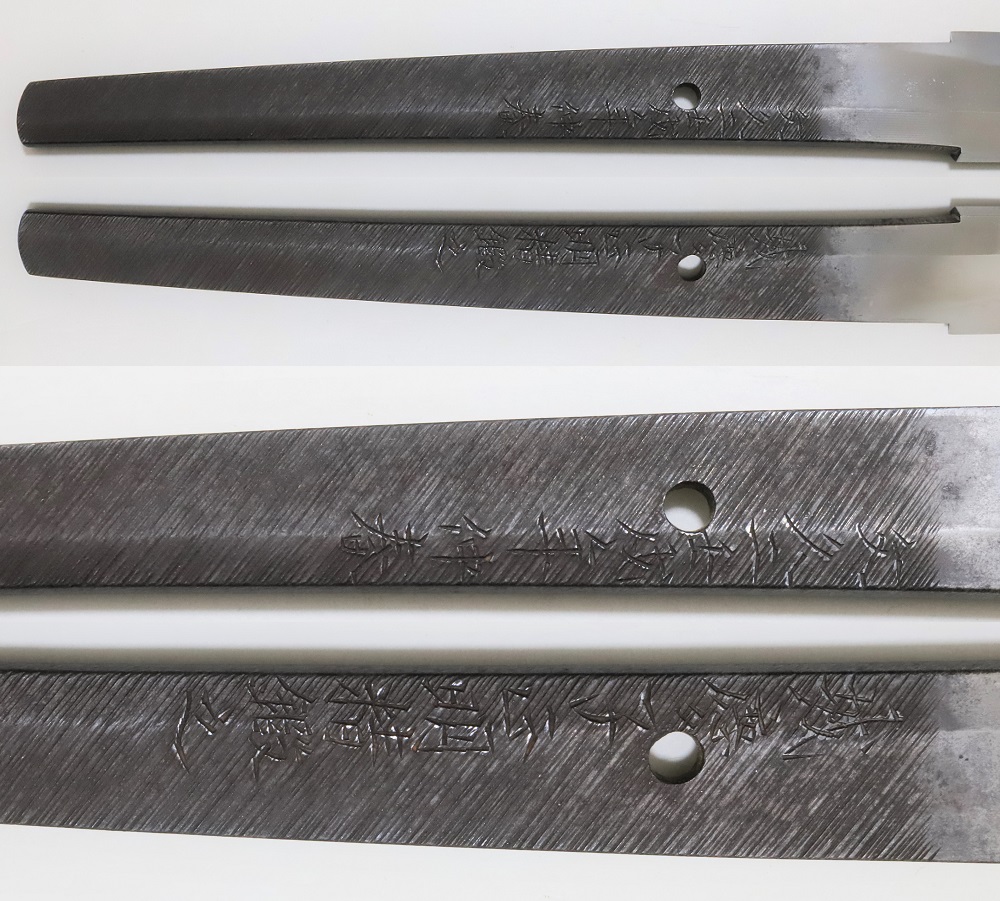
| Mei |
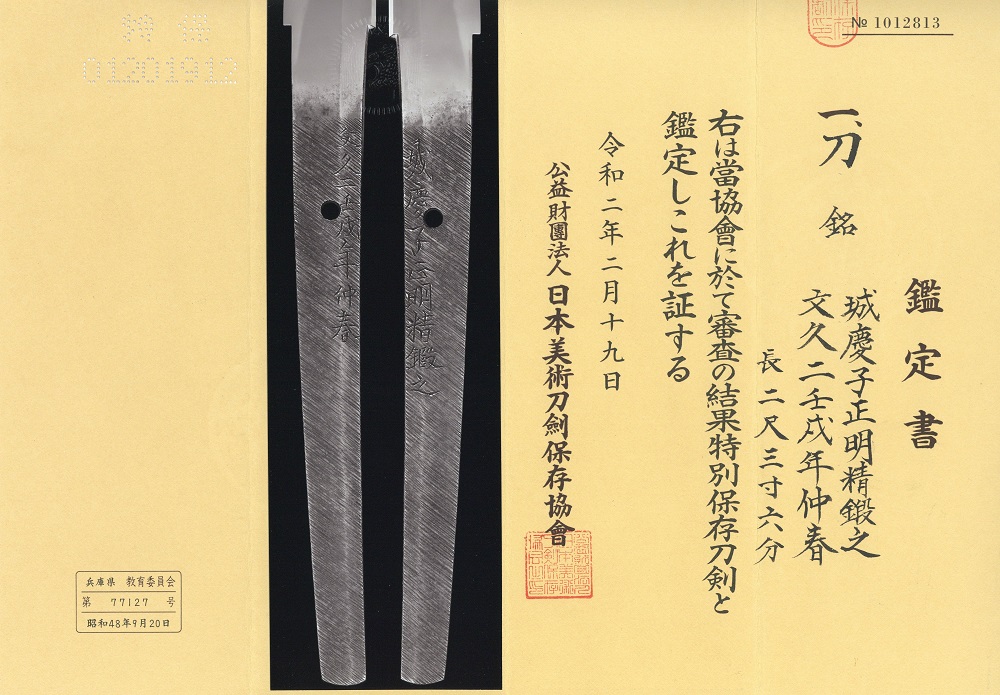
Forged by Jokeishi Masaaki Back: In Mid Spring 1862, Mizunoe-Inu, the year of Dog |
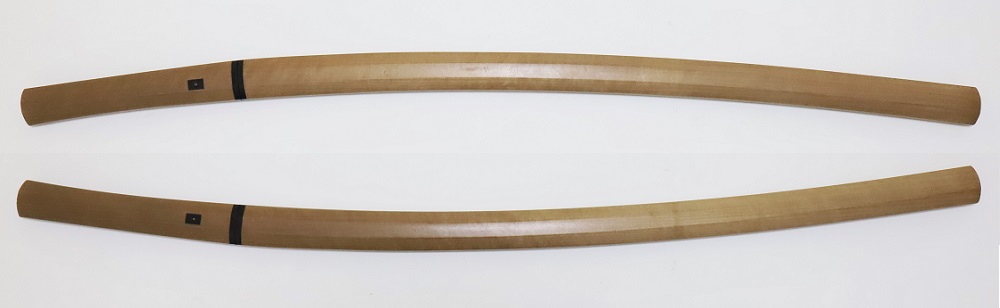
| Shape | Shinogizukuri Iorimune |
| Region | Edo, Musashi Province(Born in Tsuyama, Mimasaka Province) |
| Era | Bakumatsu Period(Bunkyu Era) |
| Length |
71.7 cm 28.2 in |
| Sori (curvature) |
1.9 cm 0.7 in |
| Motohaba |
3.3 cm 1.3 in |
| Sakihaba |
2.3 cm 0.9 in |
| Munekasane |
0.7 cm 0.3 in |
| Status | Tokubetsu Hozon Token |
| Certification Date | February 19, 2020 |
| Registration Authority | Hyogo Prefecture |
| Registration Date | September 20, 1973 |
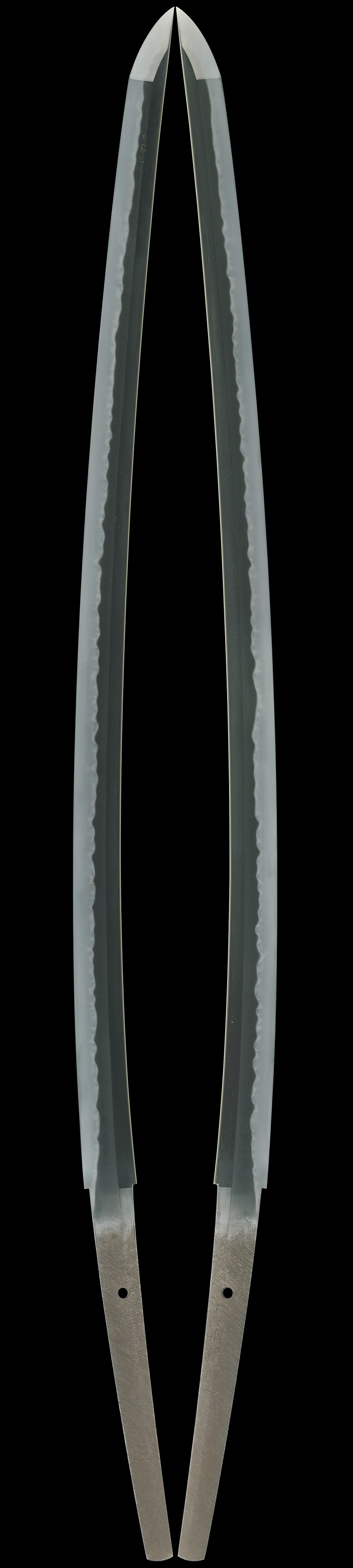
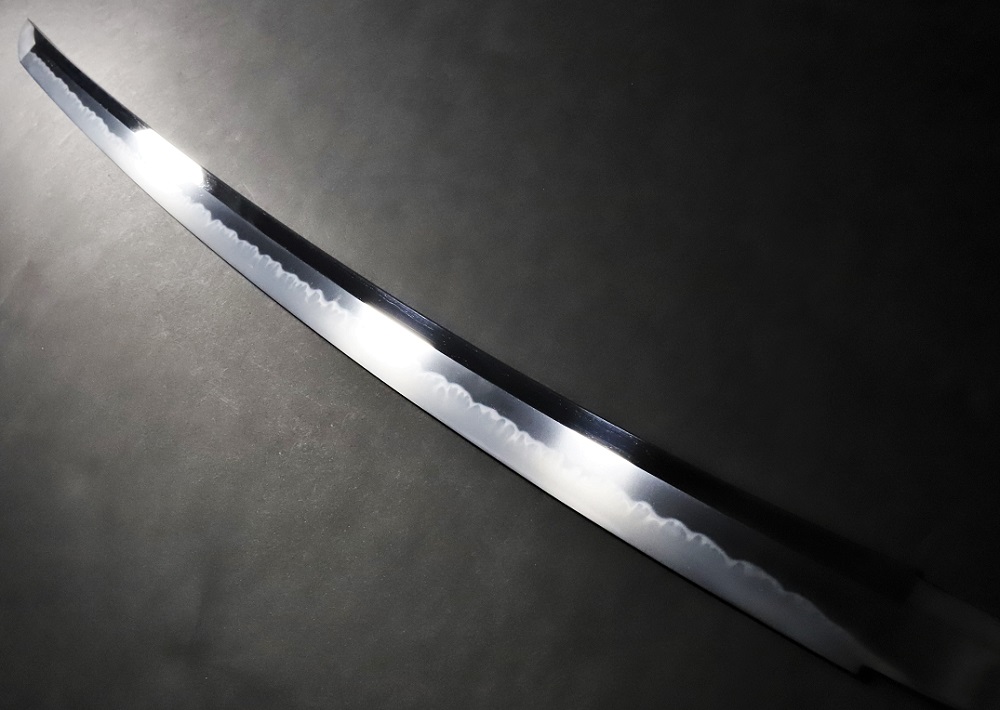
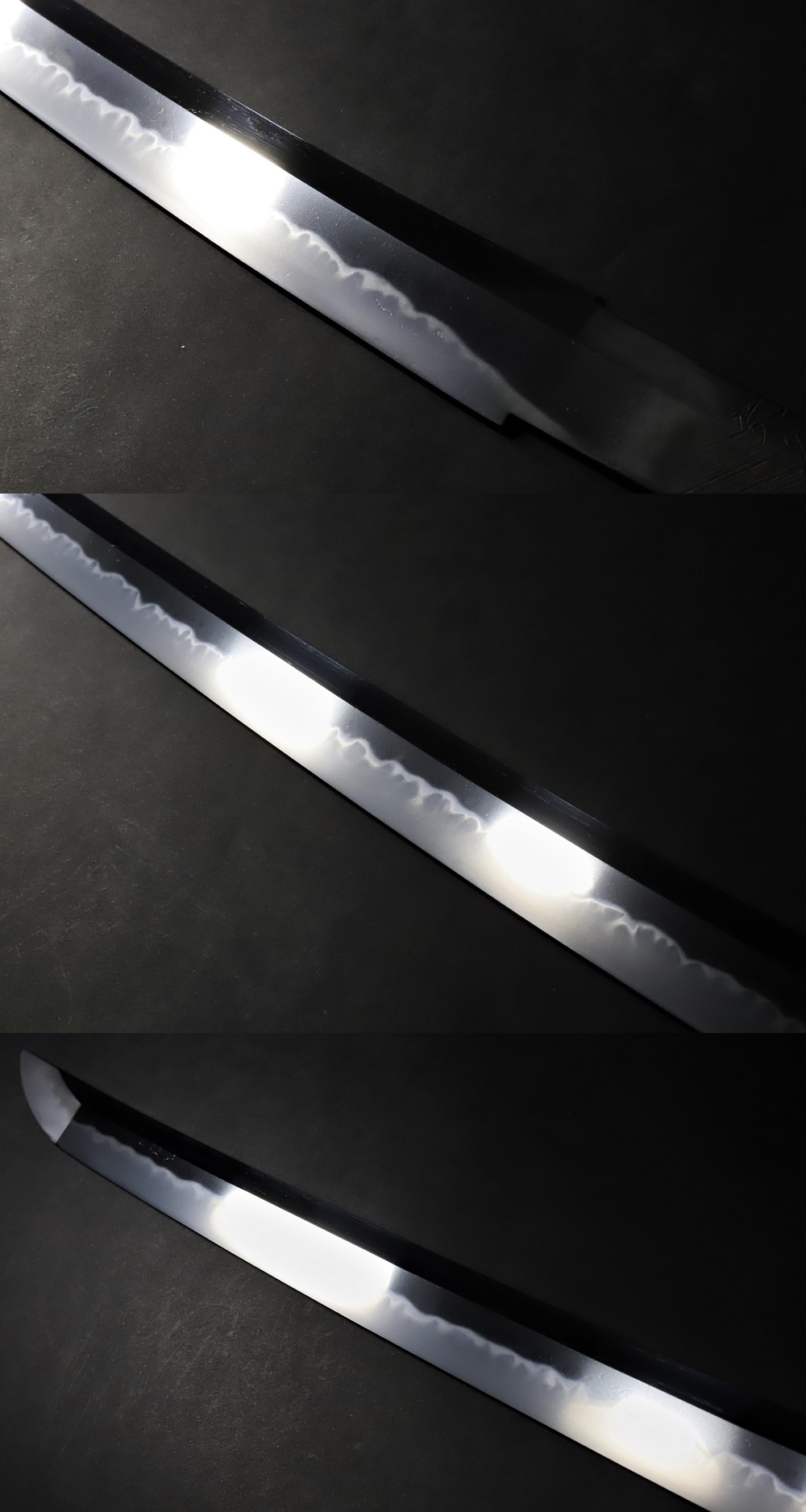
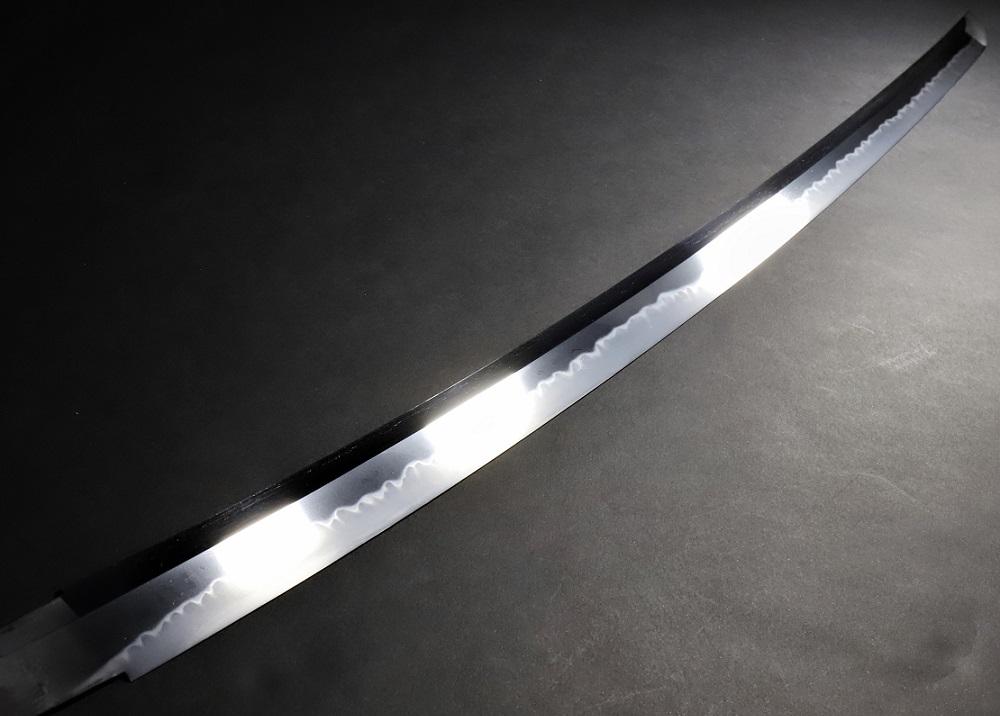
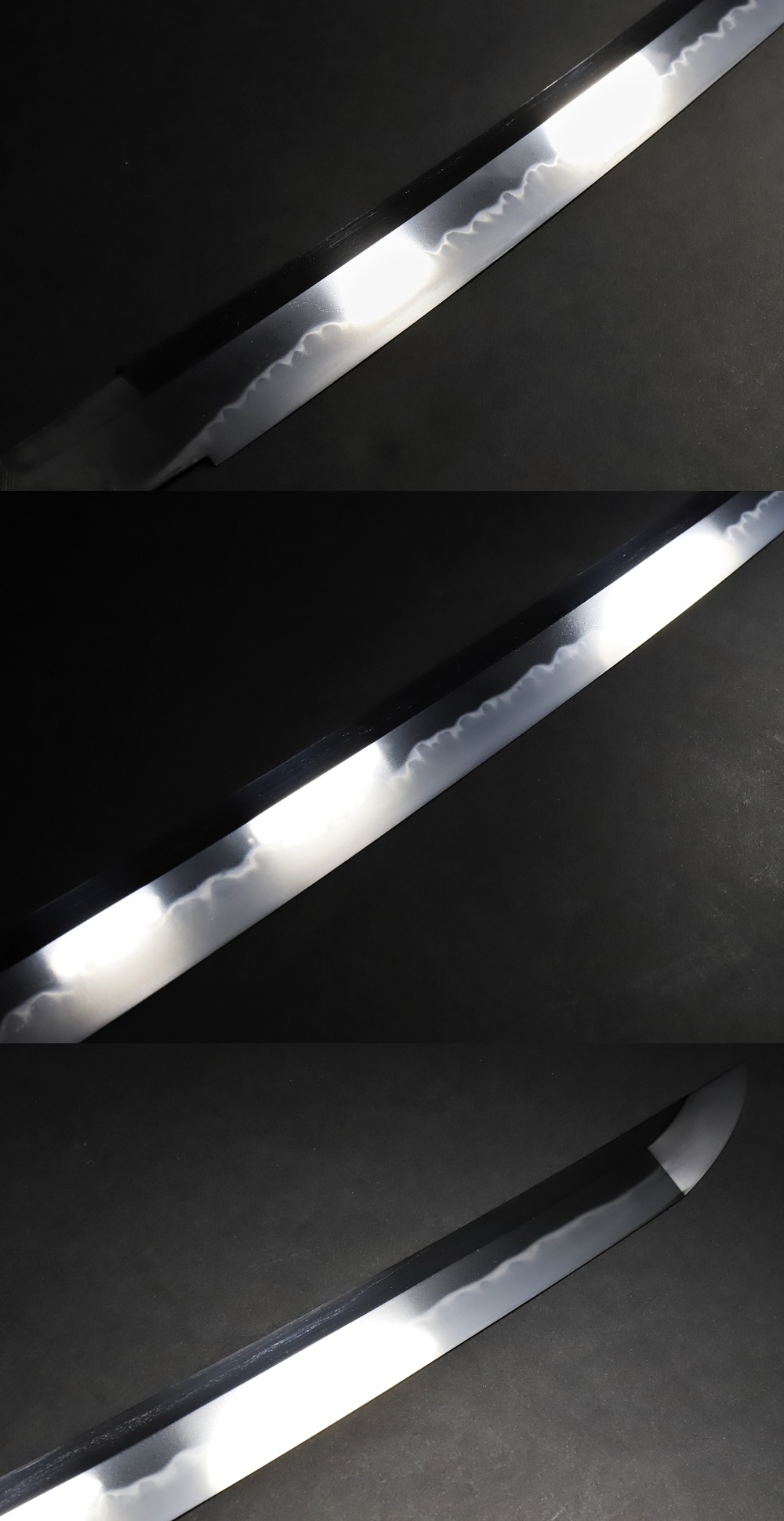
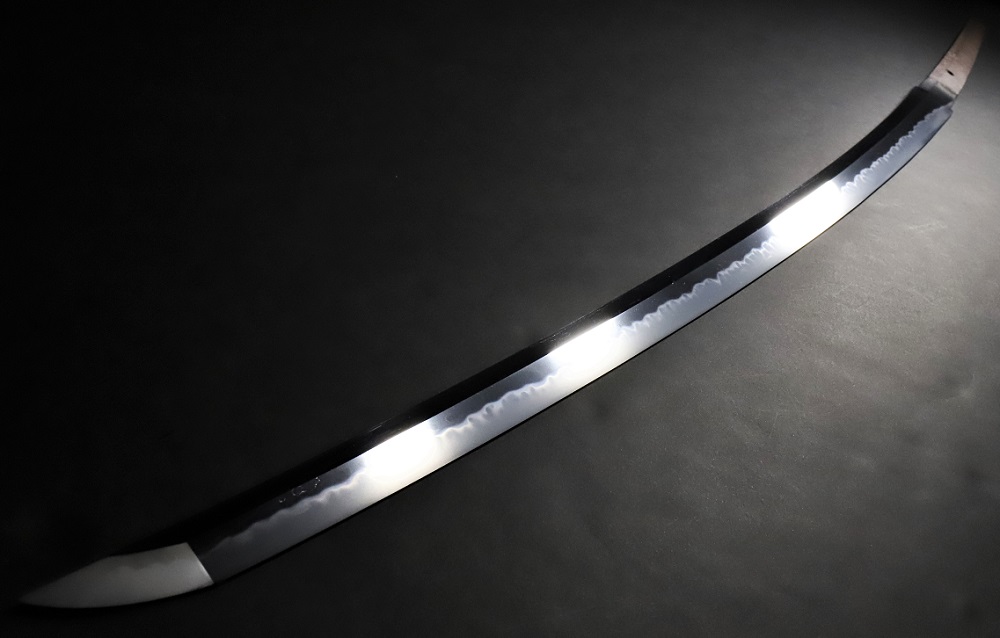
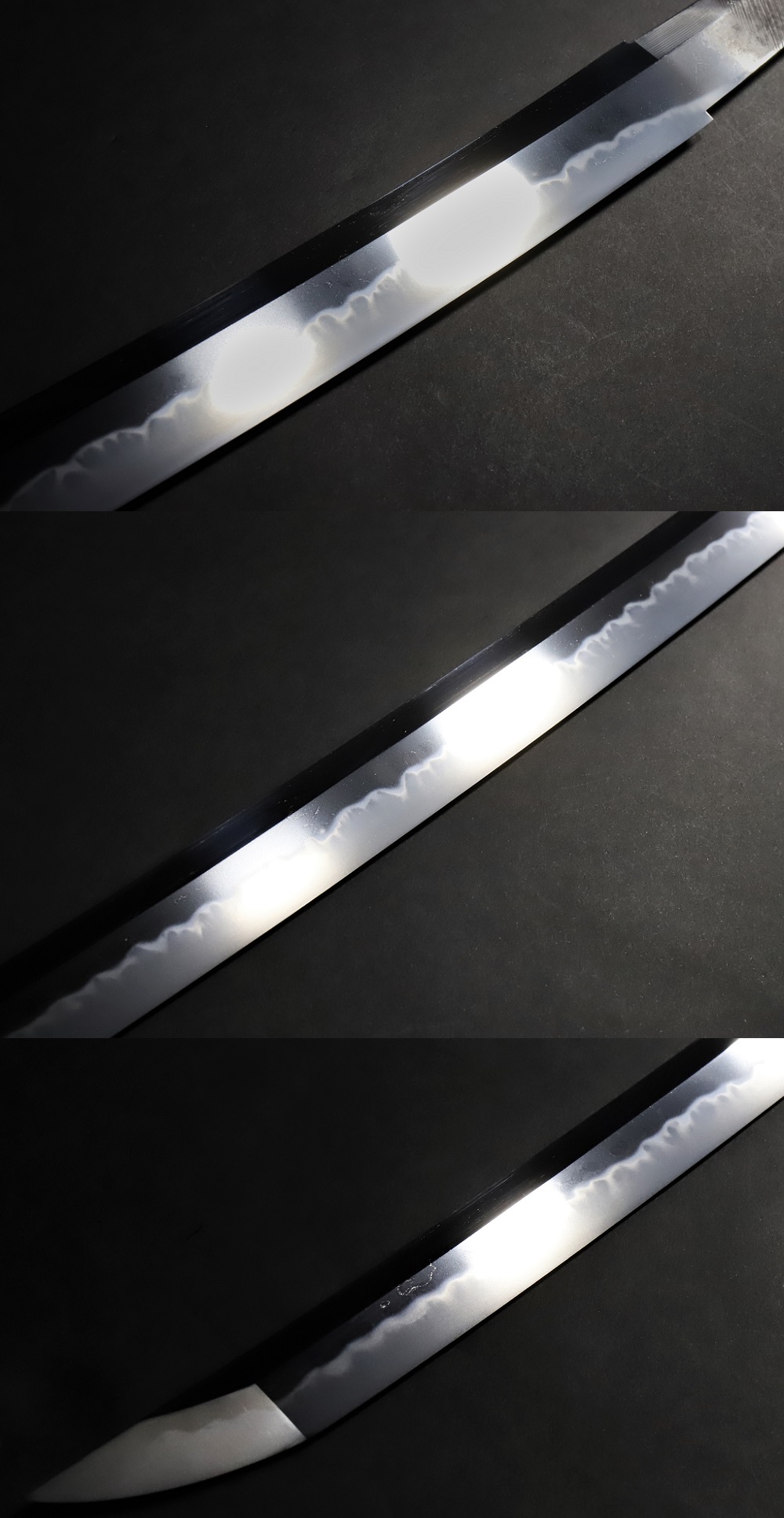
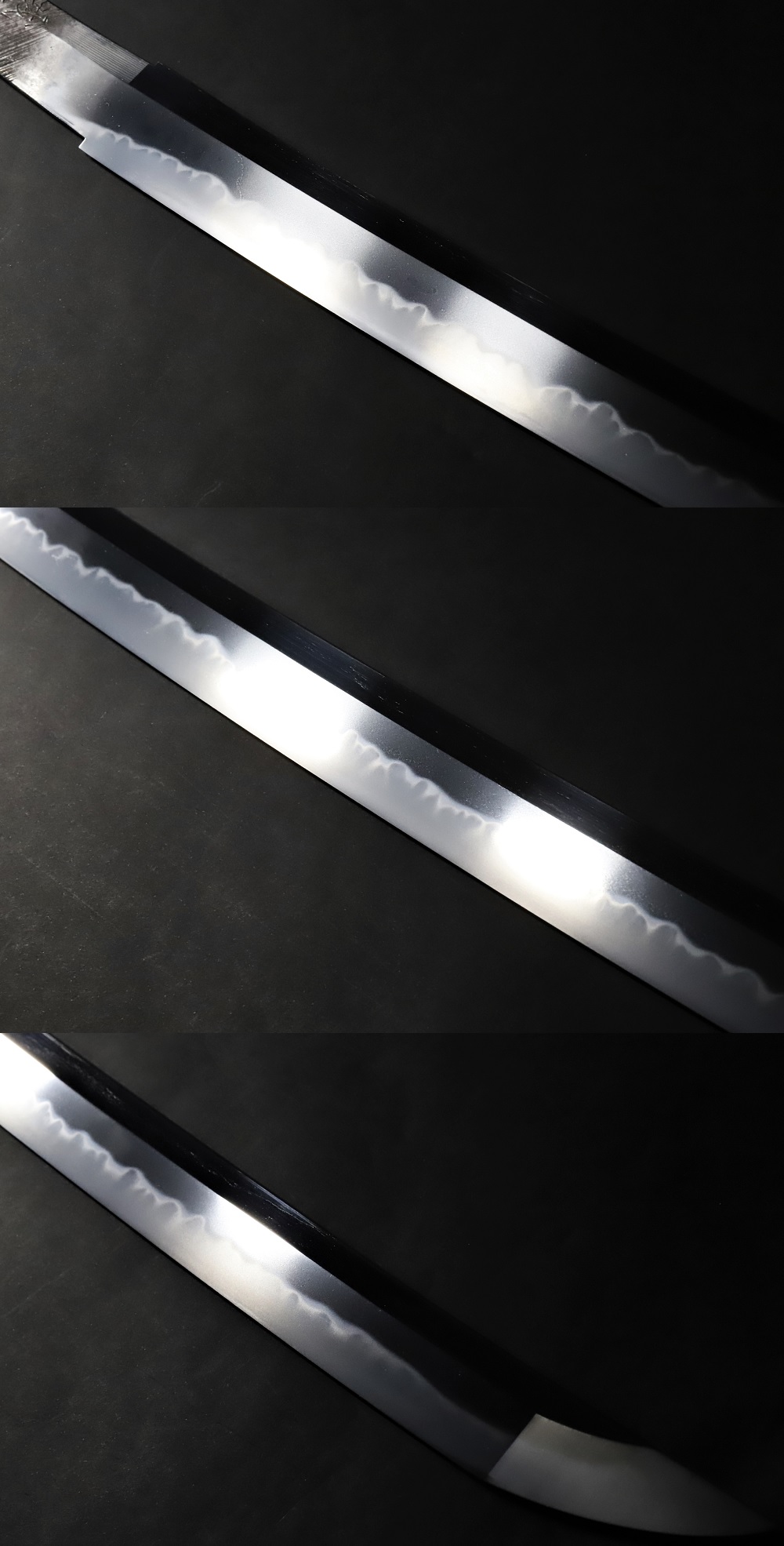
| Jihada (Metal pattern) | Koitame with Chikei and Jinie |
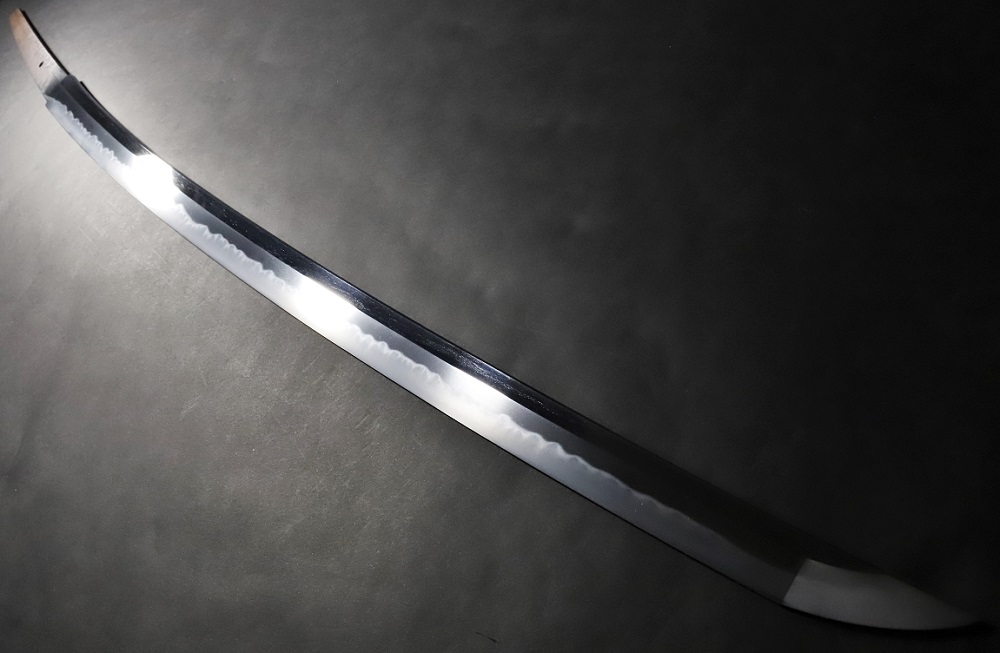
| Hamon (Temper line) | Choji-midare as known as Hosokawa-choji |
| Bōshi (Point / Tip) | Midare Komaru turn sharply |
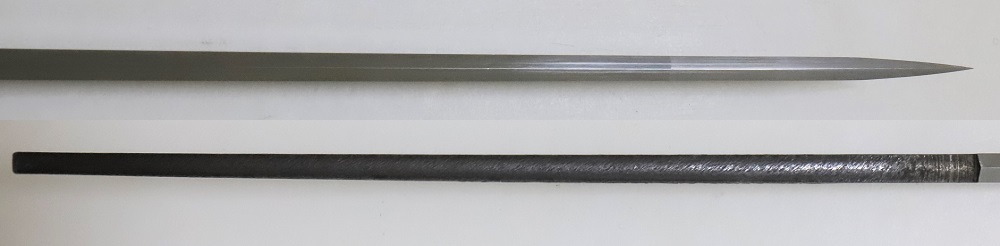
| Nakago (Tang) | Ubu, unaltered. Sujikai file and a Kurijiri end |
| Mekugiana (Rivet holes) | 1 |
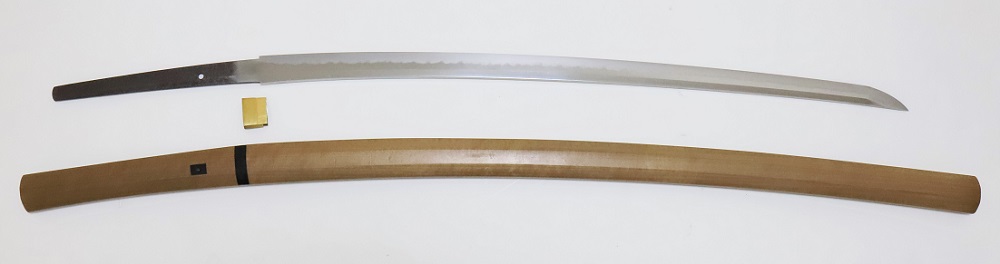
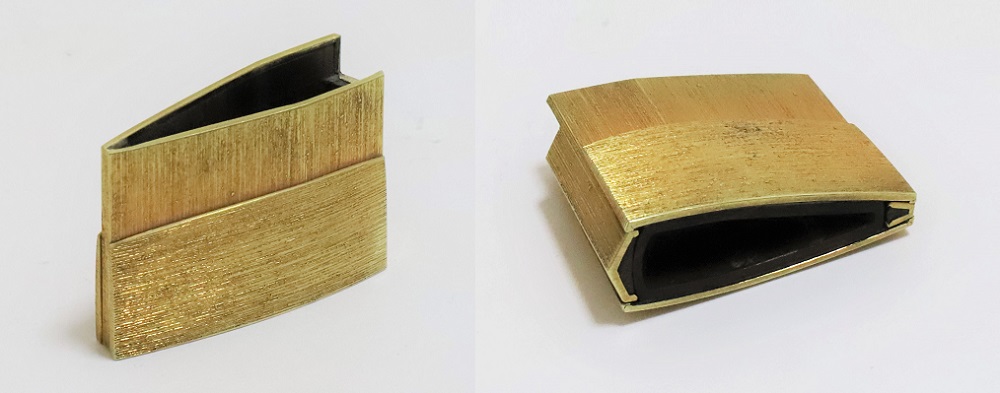
| Habaki | Two part, copper base gold foil with So-yasuri pattern Habaki |
Price |
1,650,000 JPY |
| This swordsmith, Jokeishi Masaaki, was a disciple of Hosokawa Masayoshi, one of the great swordsmiths among the Suishinshi Tradition. Masaaki was born in Tsuyama, Mimasaka Province and took over the position of an official swordsmith of the Matsudaidra Family in the Tsuyama Clan. He was only active for about ten years. However, he was reputed as the best disciple of Hosokawa Masayoshi. The features of his work resemble his teacher's work that is the Hosokawa-choji Hamon and the featured Nakago file pattern. This Katana is one of his masterpieces. It passed the Tokubtesu Hozon Token shinsa in February 2020. |

 Search